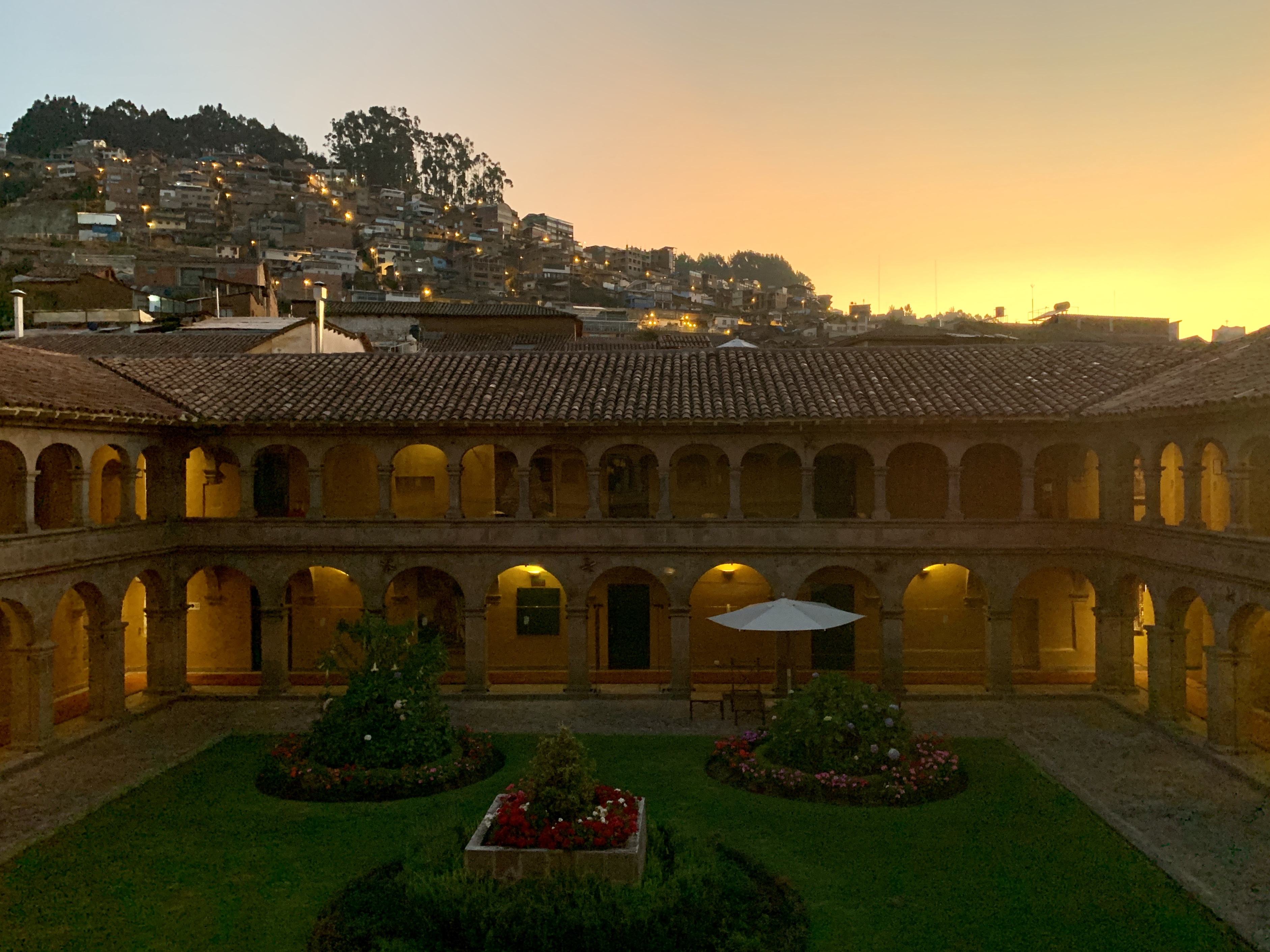
Two bus rides and two plane trips after greeting the dawn in Cusco on September 3, our group arrived in Quito in time for dinner, which included a quick lesson in ceviche-making, Ecuadorian style. (Not surprisingly, our chef/instructor considered Peruvian ceviche inferior, and he extolled the virtues of adding popcorn and plantain chips to one’s ceviche to provide some crunch. I agree.)
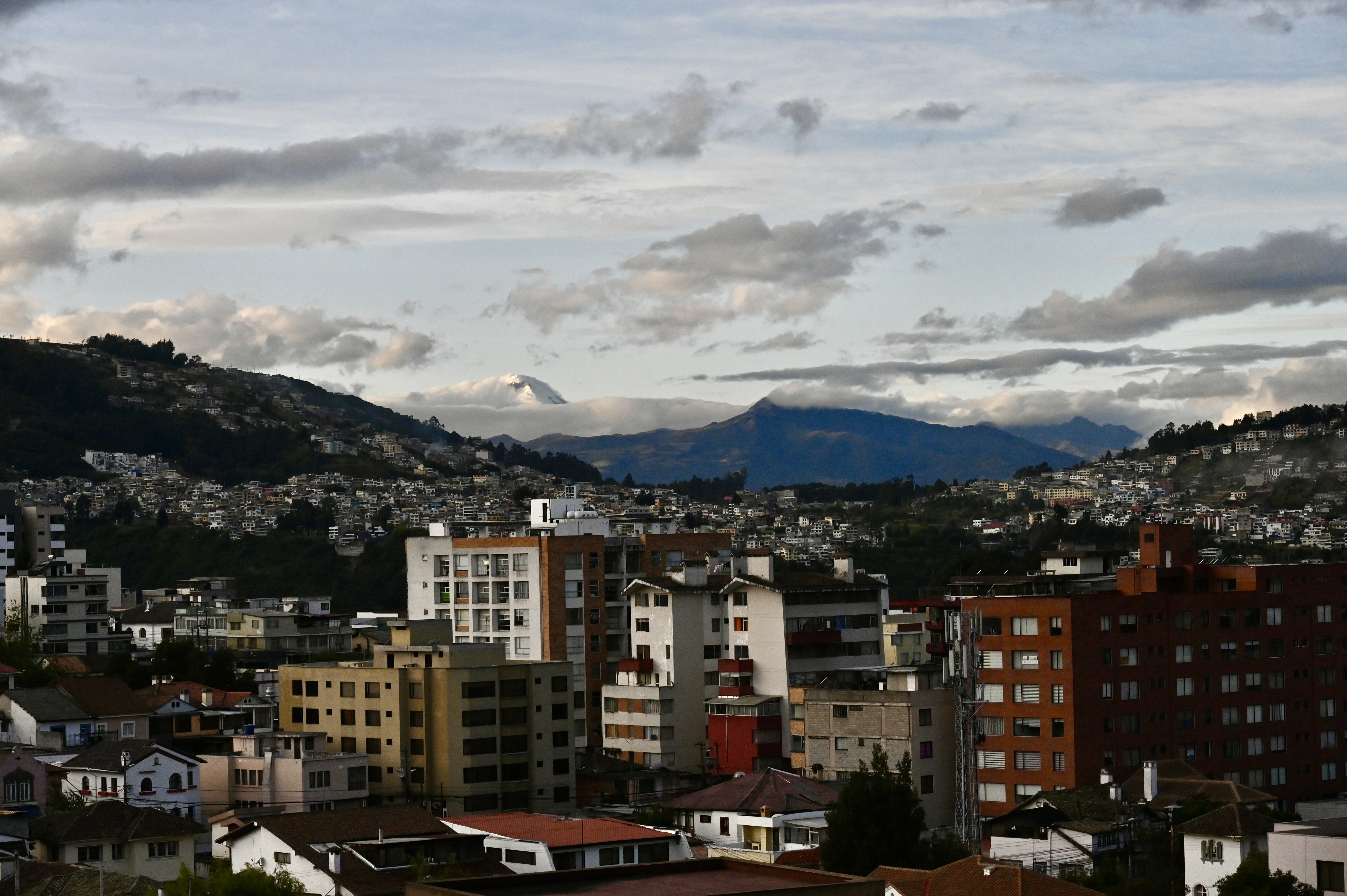
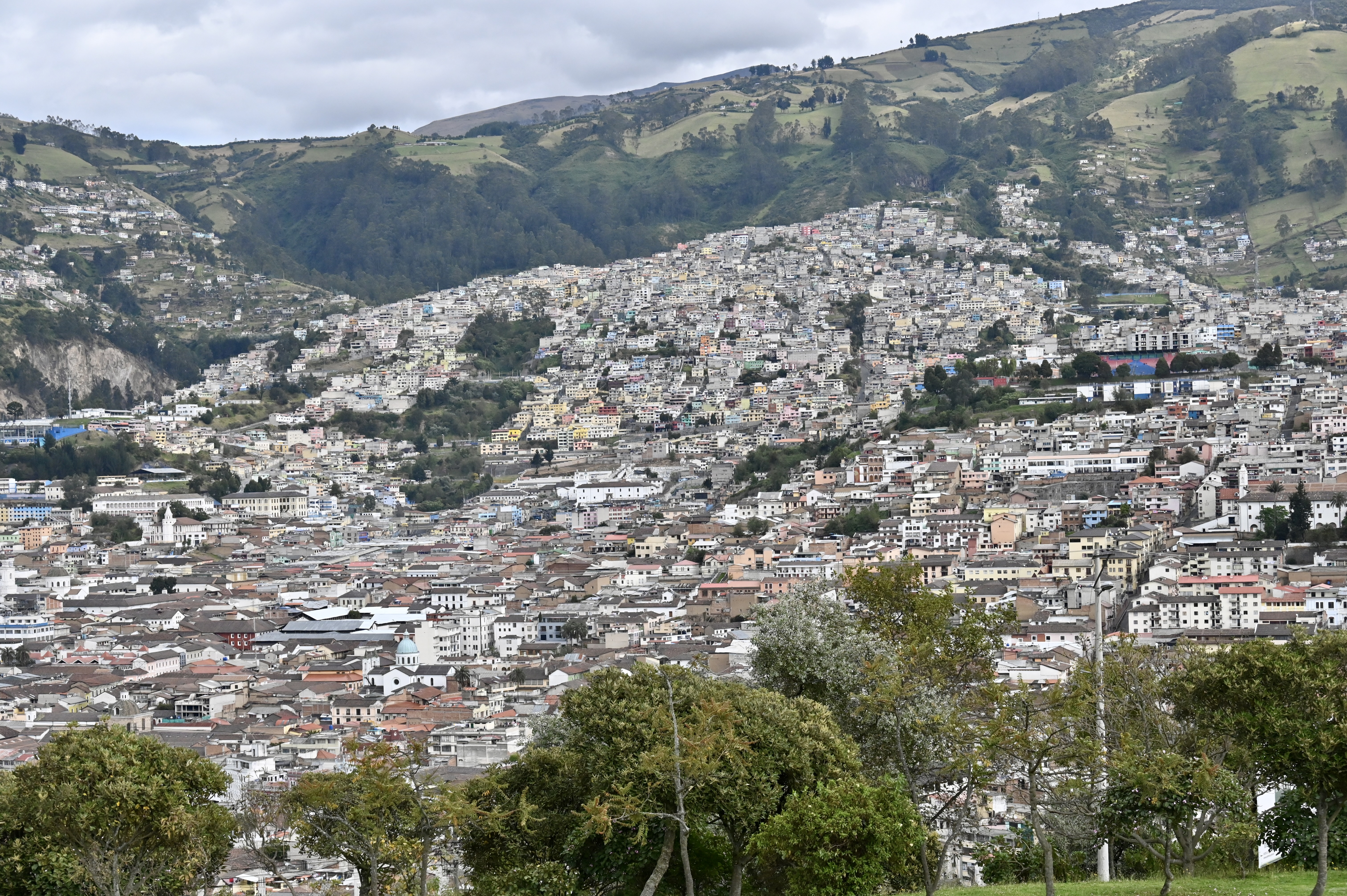
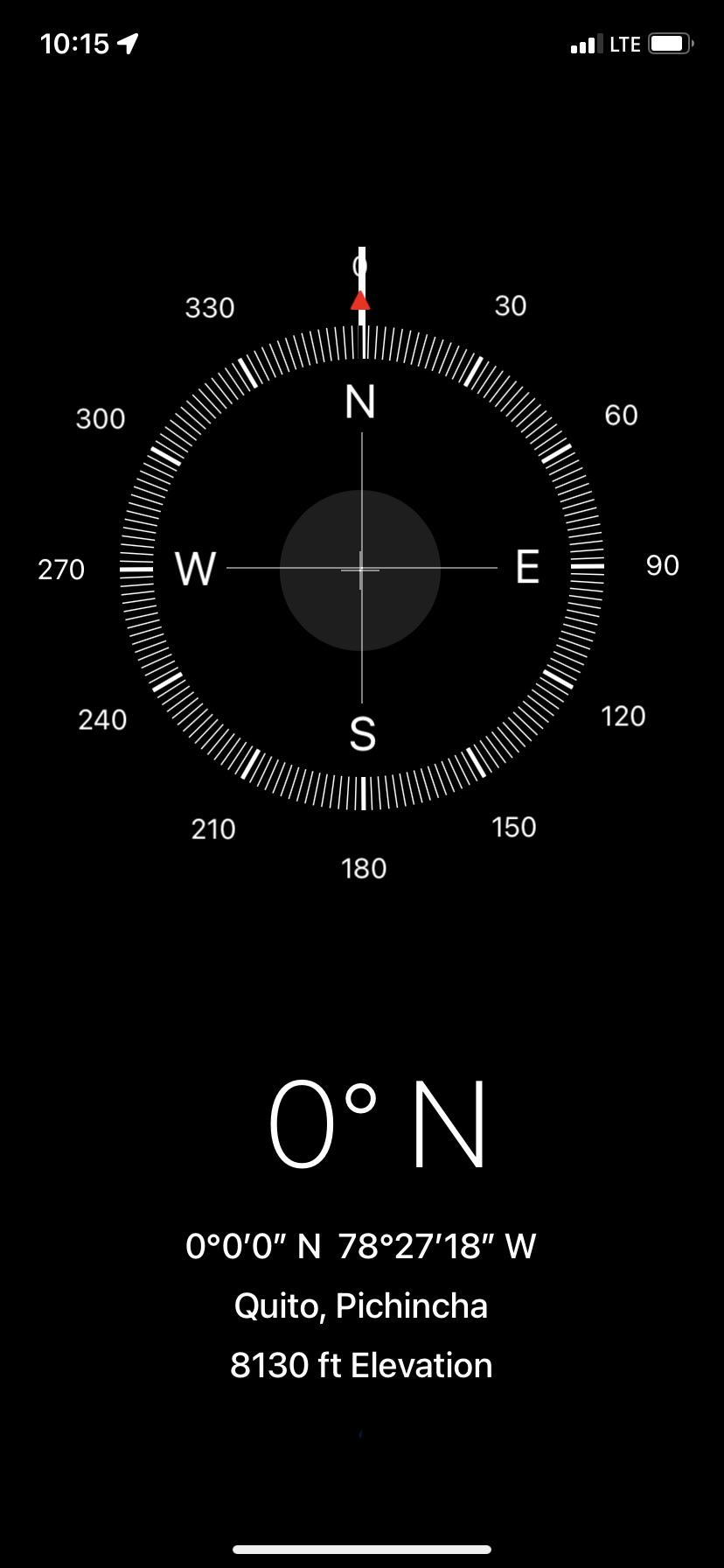
Greeting the dawn once again this morning – not a habit I normally engage in at home, but needs must – we embarked on a full-day tour of the lovely, vibrant city of Quito, which rests in a valley shadowed by semi-active volcanos. Following a stop at a scenic lookout, we drove to the Inti Ñan park, which lies on the equator just north of the city.
There, a bubbly employee at Inti Ñan park, who probably could have powered Quito for a week with her energy, gave a “demonstration” of the Coriolis effect by showing how water in a basin on the equator drained straight down while a basin two feet north drained counter-clockwise and a basin two feet south drained clockwise. Unfortunately, the Coriolis Effect operates only at much larger scales, so her efforts were basically fictional, as my physicist brother pointed out to me upon reading an earlier version of this post.
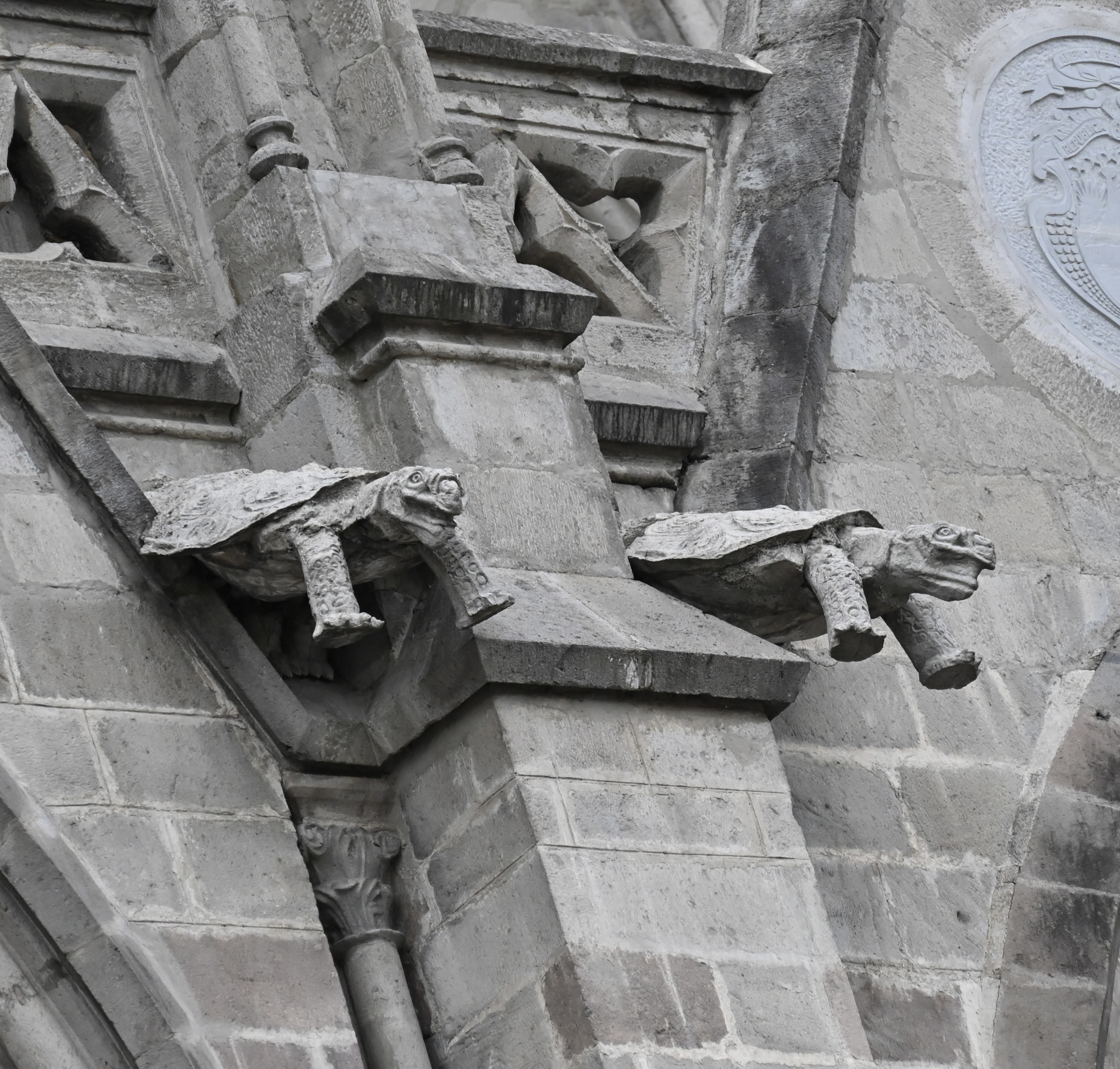
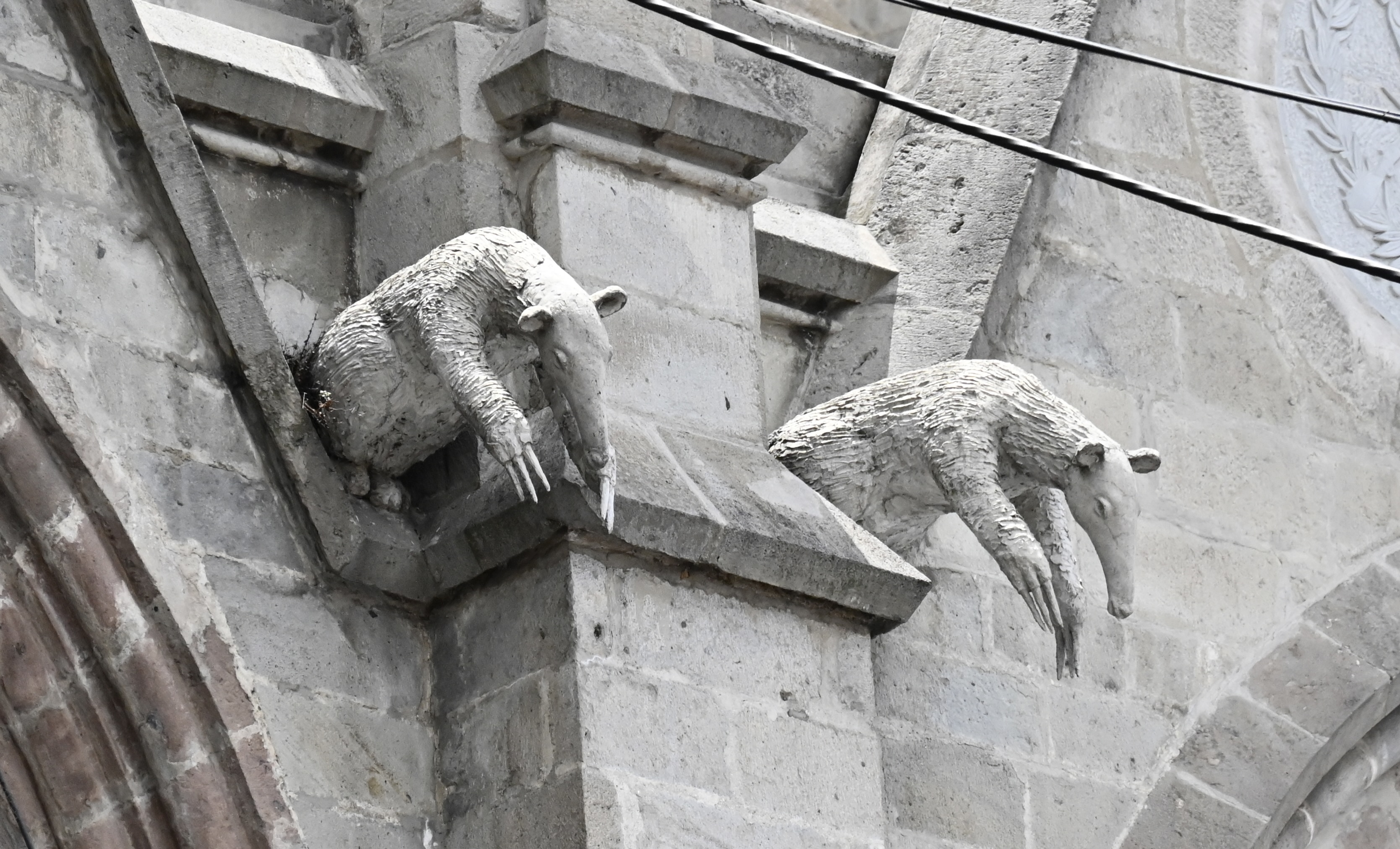
Once this delightful but misleading science class ended, we visited the Basilica of the Heart of Jesus, which sports native animals in place of traditional gargoyles.

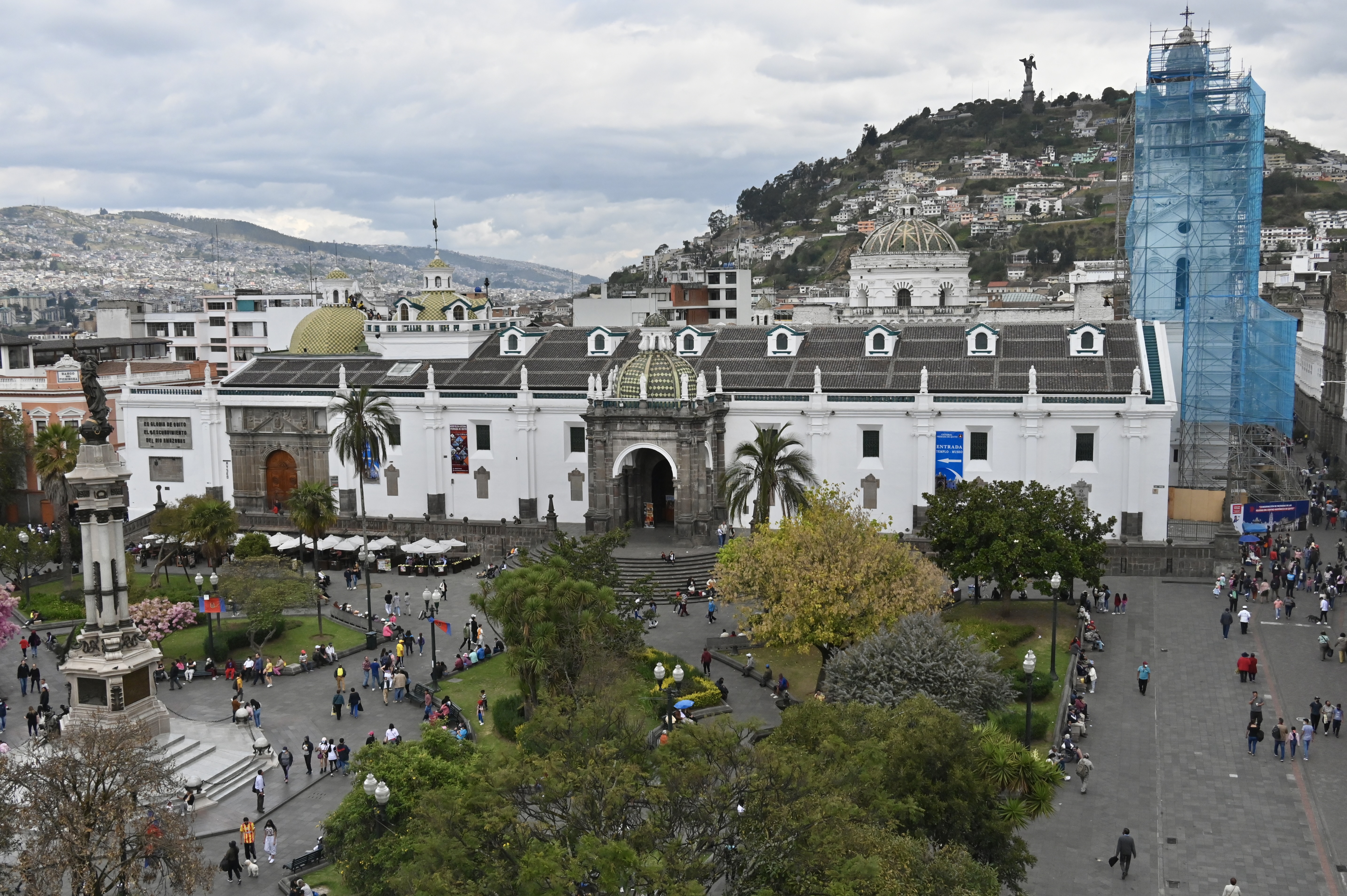
Next up: lunch at the luxurious Plaza Grande hotel, located, predictably enough, on Quito’s Plaza Grande. The elegant 16th century Quito Cathedral is opposite the hotel; to the right of the Cathedral is the magnificent 17th century Presidential Palace, then comes the regal 18th century hotel and 19th century mayor’s home and archbishop’s office. Completing the trip through time, to the hotel’s left stands the – alas – drab and utilitarian 20th century city hall.
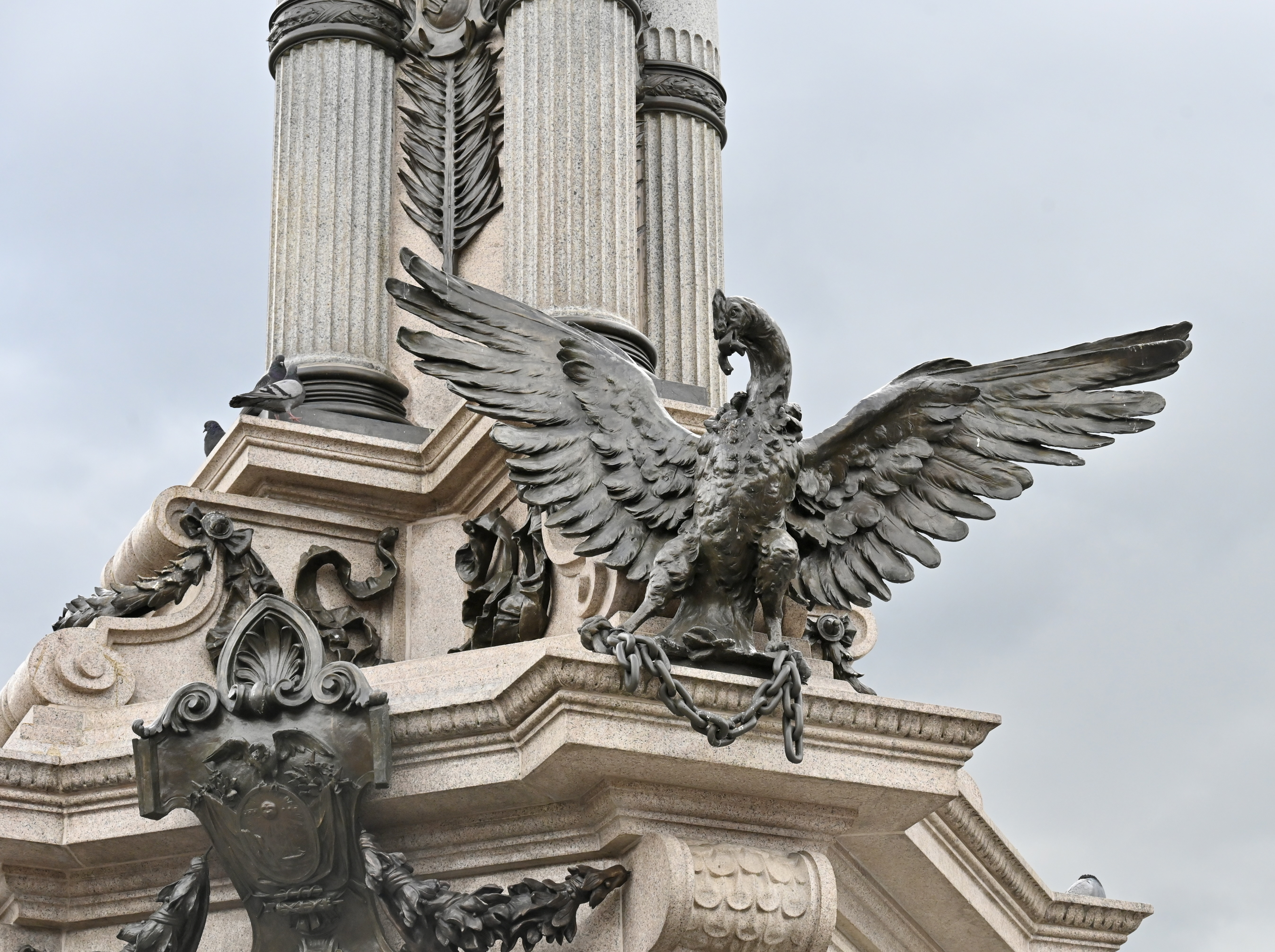
In the middle of the square is a monument to the Ecuadorians who fought in the war for independence from Spain, which lasted from 1809-1822. The monument features a lion with a hole in its side (representing Spain) and a condor breaking free from its chains (any guesses?).
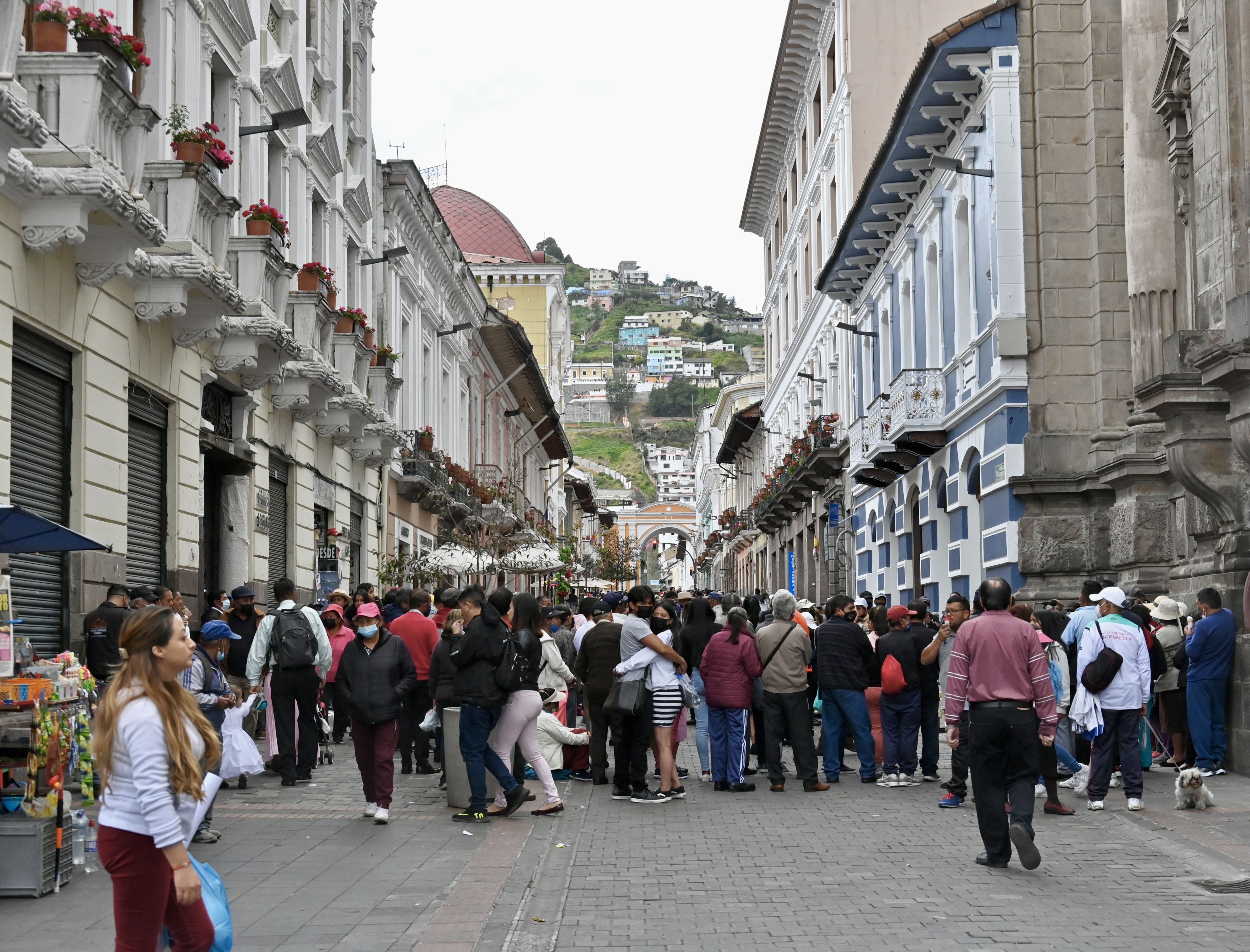
The square itself was teeming with Quitoans (Quitoese? Quitoites?) and their dogs enjoying a religious festival on a fine Sunday afternoon, complete with a fire and brimstone preacher and police in riot gear.
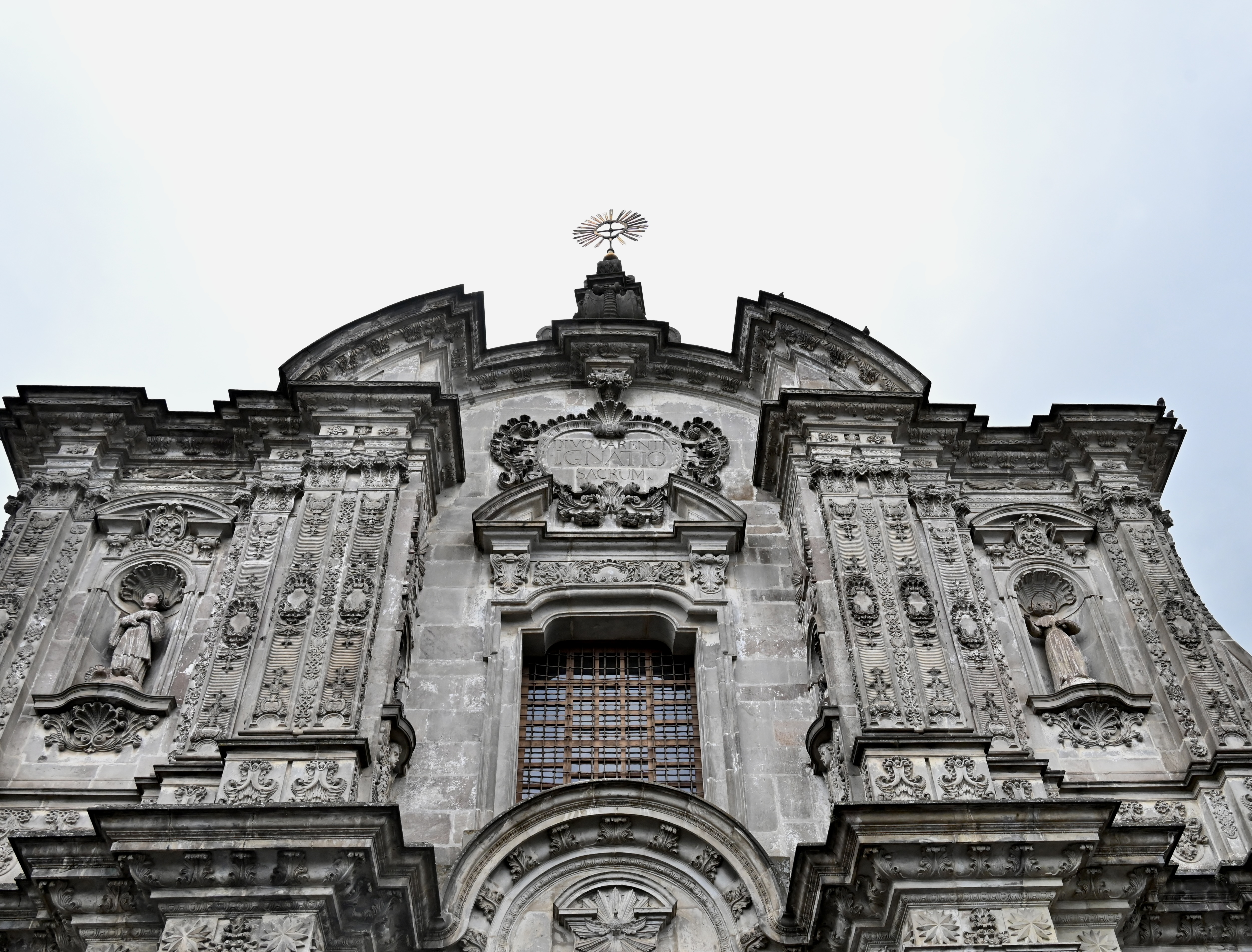
The final stop on our tour was the Iglesia de la Compaña de Jesus (Jesuit church), begun in 1605 and completed 160 years later. The outside is as you’d expect: stone pillars, massive wooden doors and so forth. The inside is an over-the-top mélange of gold-coated stone carved in Moorish, geometric designs, inlaid wood floors, an altar surrounded by spiraling, candlestick-like columns, and an exit door that anticipates Art Deco by several centuries. No photos were allowed, so you can either take my word for it or look on Google.
My initial impression of Quito – subsequently confirmed by further exposure after our stay in the Galapagos – is that it’s a wonderful city, brimming with energy, great food, wonderful parks, and a variety of cultural outlets. It’s even affordable!
Rounding out the day: another lecture from Bill Sapp, our archeologist expert. Bill would be a perfect candidate for taking over the role of “Most Interesting Man in the World” in those Dos Equis commercials: he’s a surfer, motorcycle rider, drummer, ex-banker, anthropology Ph. D, and liaison between the Forest Service and several indigenous peoples in the Southwestern United States. He’s also a gifted, enthusiastic speaker with an all-encompassing expertise in Inca and pre-Inca civilizations.
And now to bed, before once again greeting the dawn tomorrow.

 PuffinlessTravel