Cusco, to me, is a lesson in altitude and attitude. The altitude lesson, quite simply, is that it’s hard to simultaneously walk and talk at 11,000 feet. The far more interesting attitude lesson Is twofold.
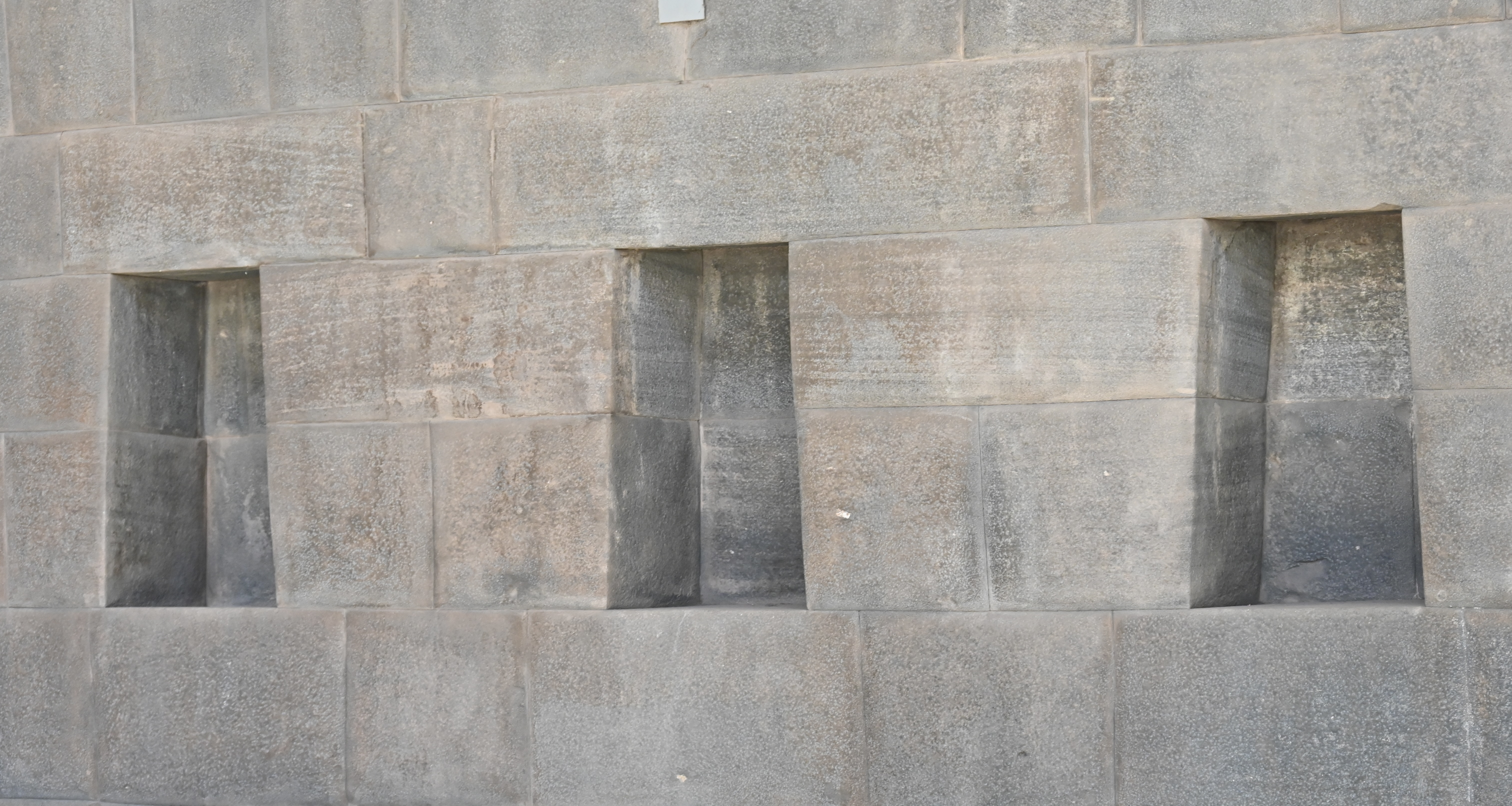
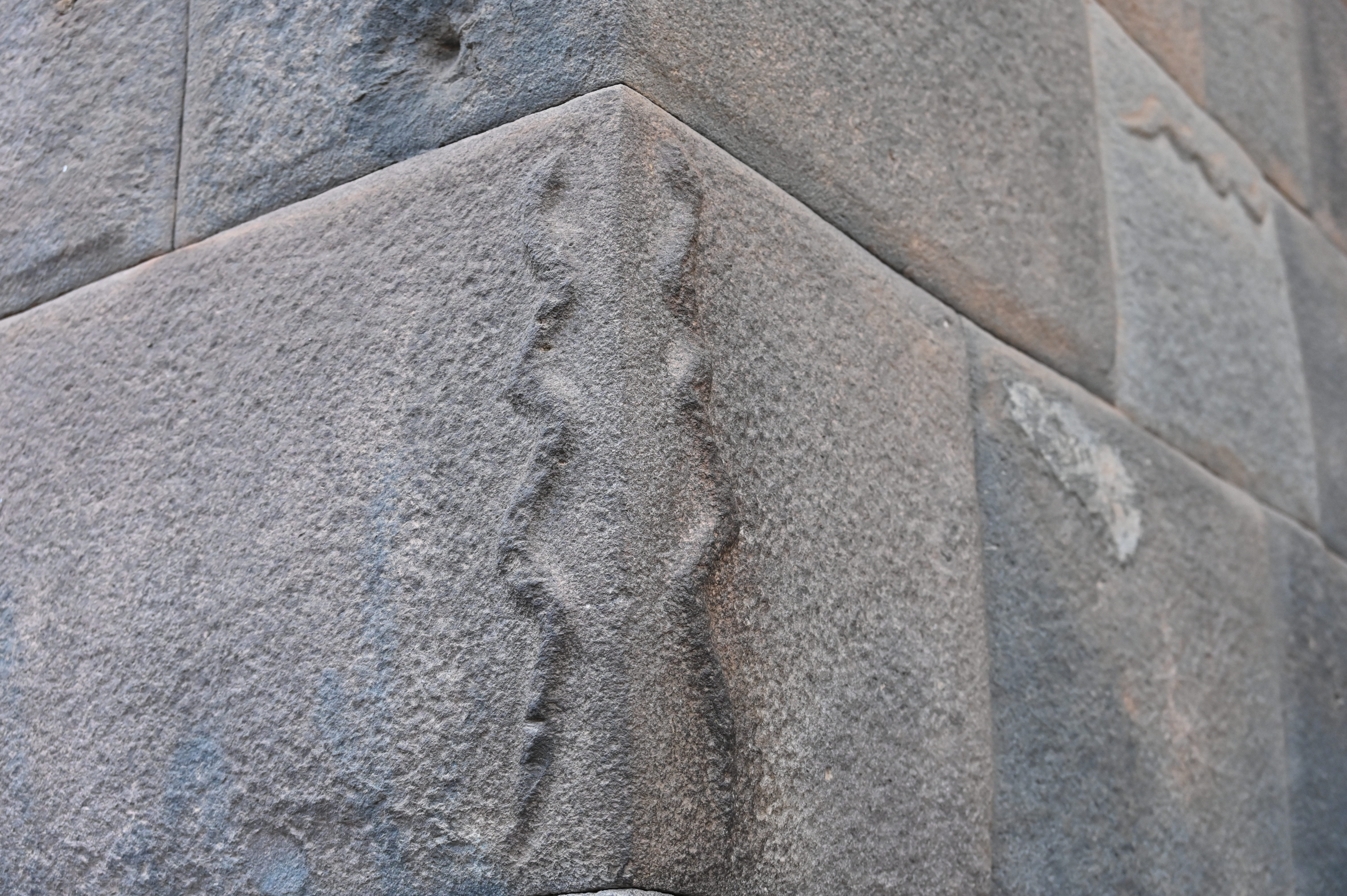
First, if you are a conquering nation – Spain, for example – and you ignore the way your newfound subjects (the Incas, say) have done things for centuries, you deserve anything bad that befalls you. In this case, “befalls” is literal: the Incas and their predecessors, having lived in an earthquake zone since time immemorial, knew how to build structures that could withstand even catastrophic earthquakes. They carved interlocking stones, used a trapezoidal shape for doors and windows, and angled walls back approximately 10 degrees.
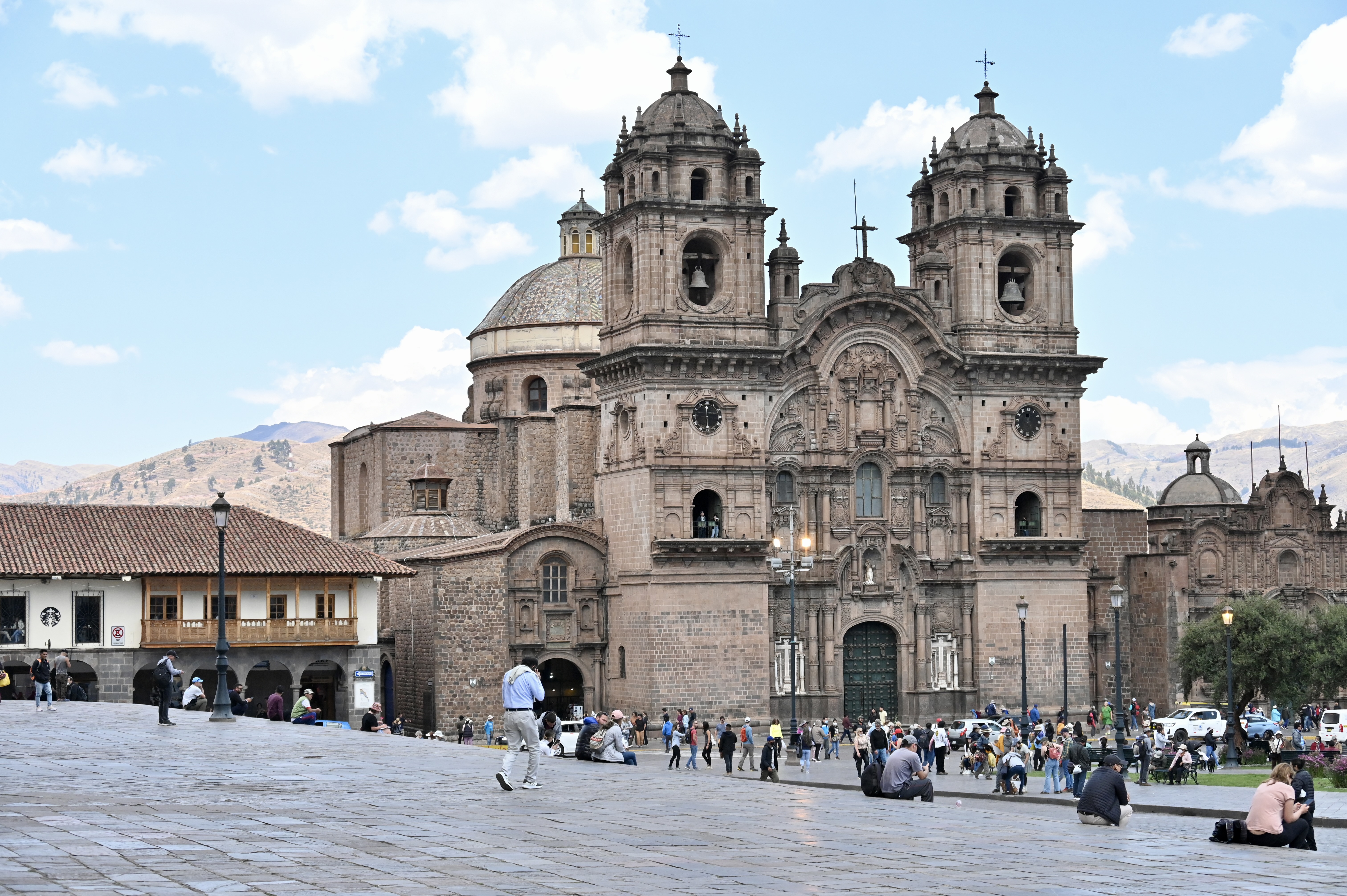
The Spaniards, being “civilized” Europeans, thought they knew better and built a slew of churches and cathedrals in Cusco, often directly above Incan temples. Along comes a major earthquake in 1650. Everything the Spaniards built tumbled down; the walls of the temples didn’t budge.
The second attitude lesson is that resistance can take many forms, including what is known in Cusco as “La Cultura de Resistencia.” After conquering the Incas, the Spaniards demanded that they convert to Catholicism on pain of death. Incan artists went along with the program on the surface but subtly incorporated their own traditions and worldview into their religious paintings. For example, they made the Virgin Mary’s dress look like an Andean mountain, and they painted a Last Supper in which the meal was roast guinea pig accompanied by native fruits and vegetables – and the artist sneakily made Judas brown-skinned, implicitly placing himself in the traitor’s role.
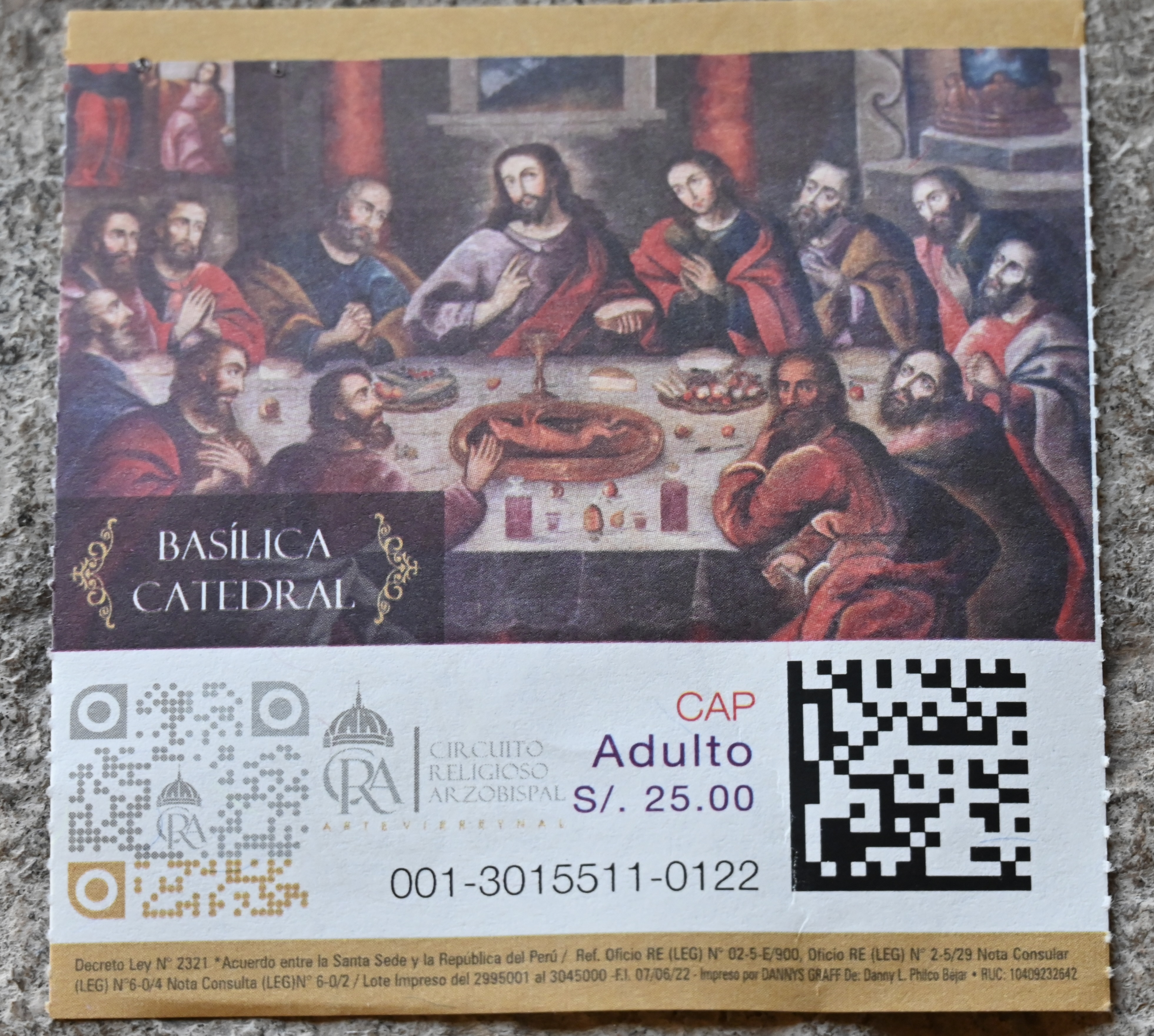
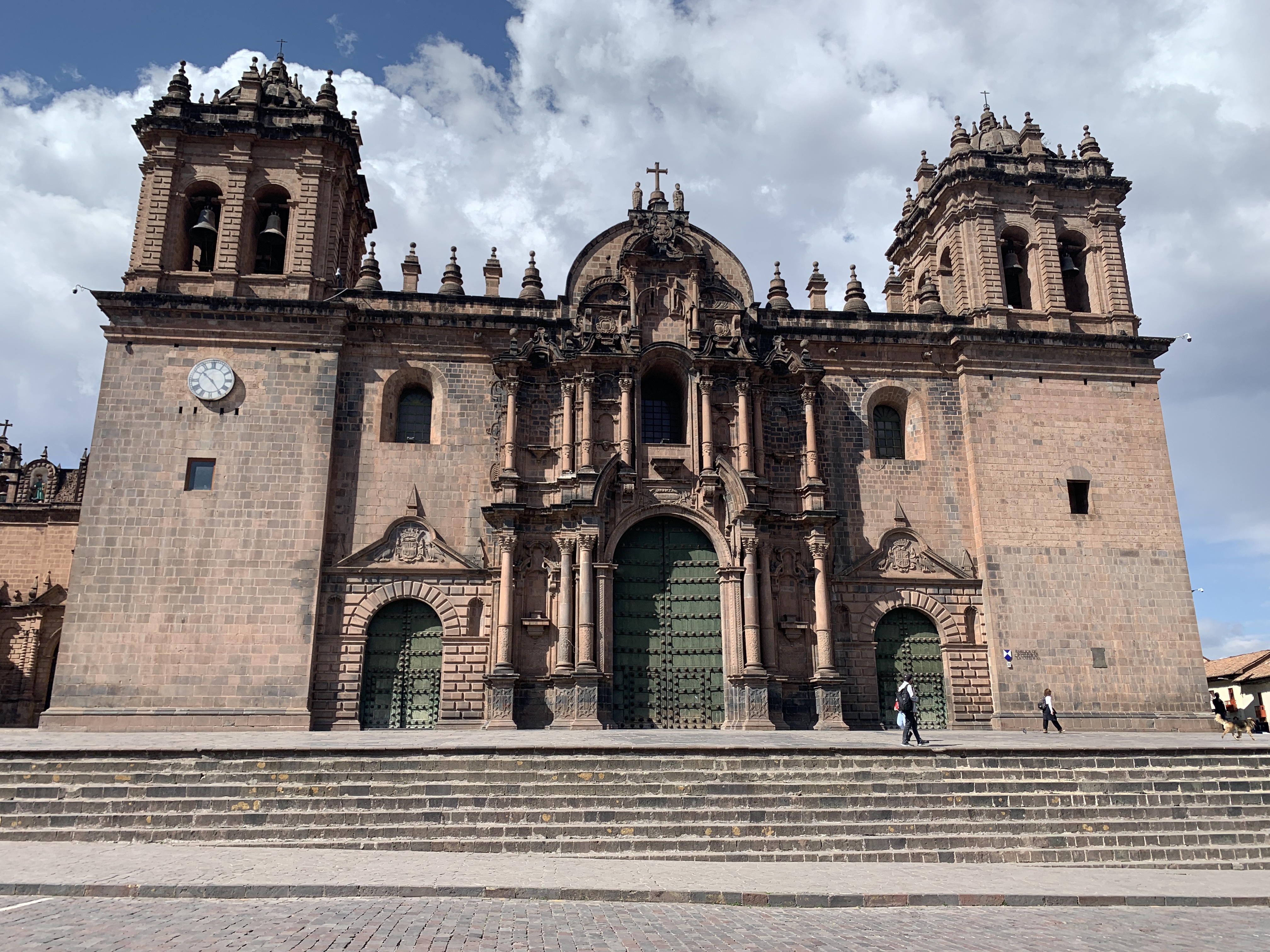
I learned all this on a walking tour of Cusco this morning, which took in the Incan temple site of Qorkancha (one of the places where the Spanish church collapsed while the Incan walls remained intact) and the Cusco Cathedral (site of the Last Supper painting). We also visited a museum of pre-Columbian art, which contains beautiful examples of pottery, wood carvings, and silver and gold jewelry.

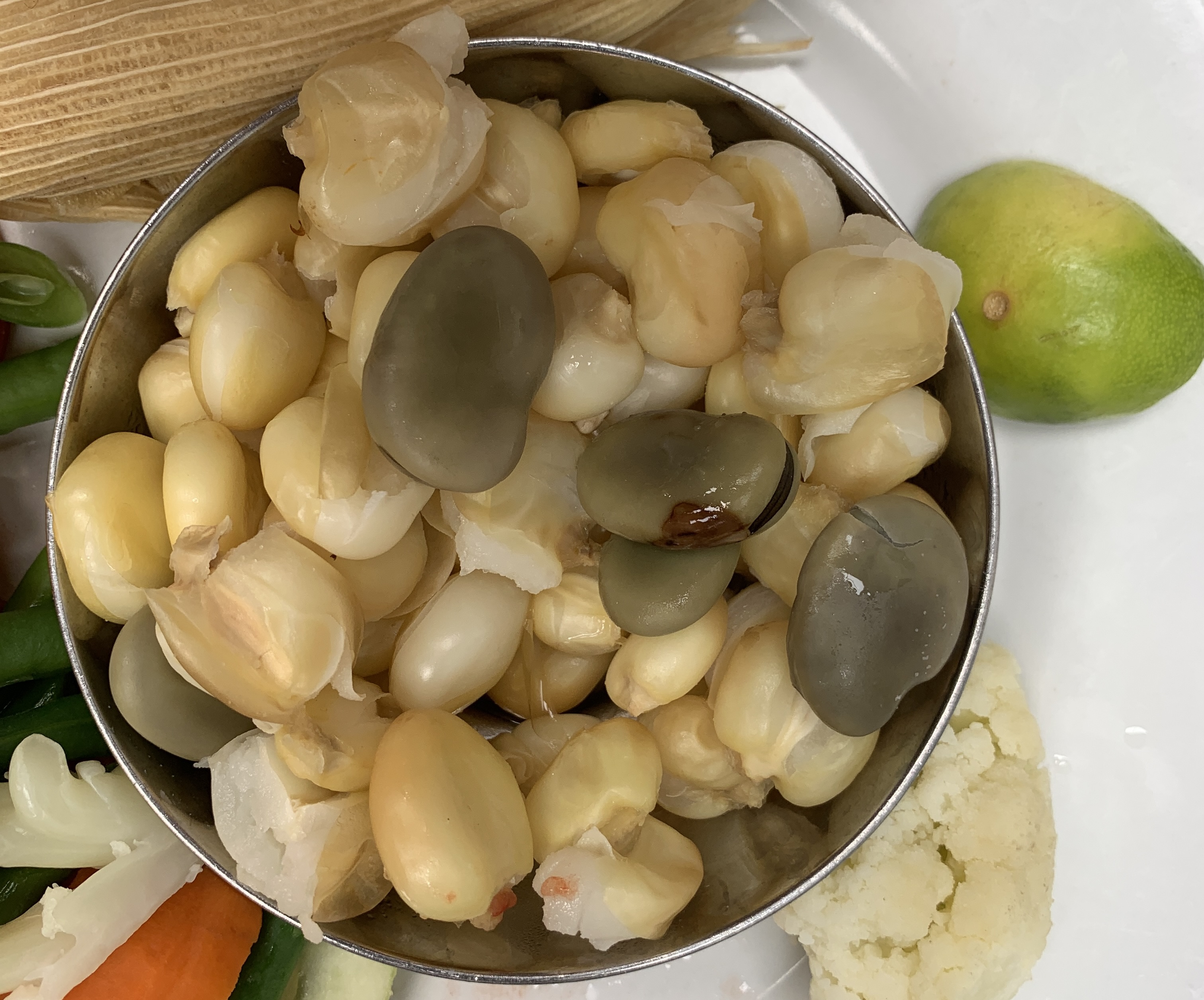
Following the tour, we stopped for a Peruvian lunch featuring deep-fried versions of many four-legged animals, including cuy (guinea pig). For us non-meat eaters, there were delicious tamales and Andean vegetables, including more super-sized corn. Tomorrow we say good-bye to Peru and hello to Ecuador. Stay tuned!

 PuffinlessTravel