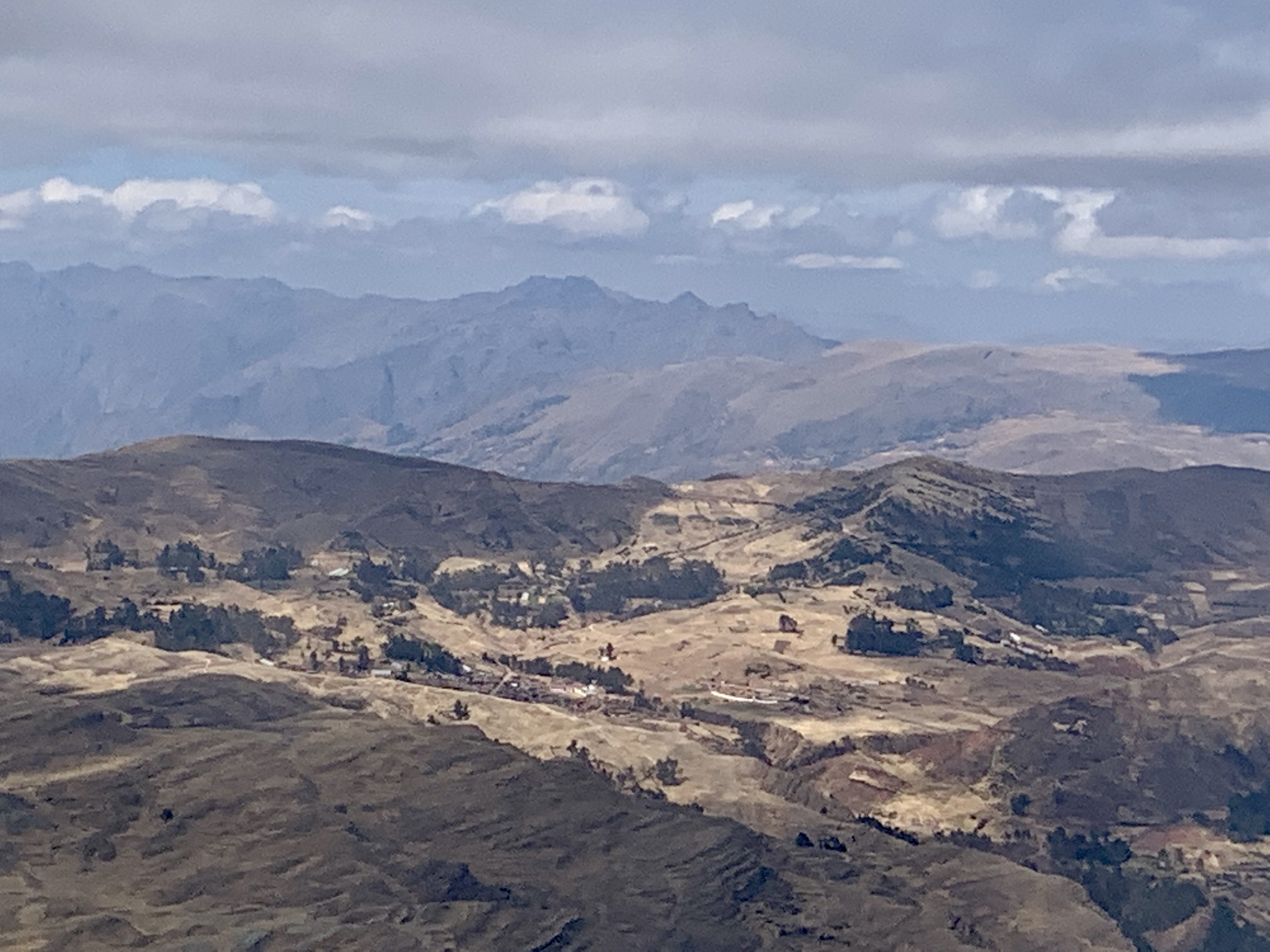
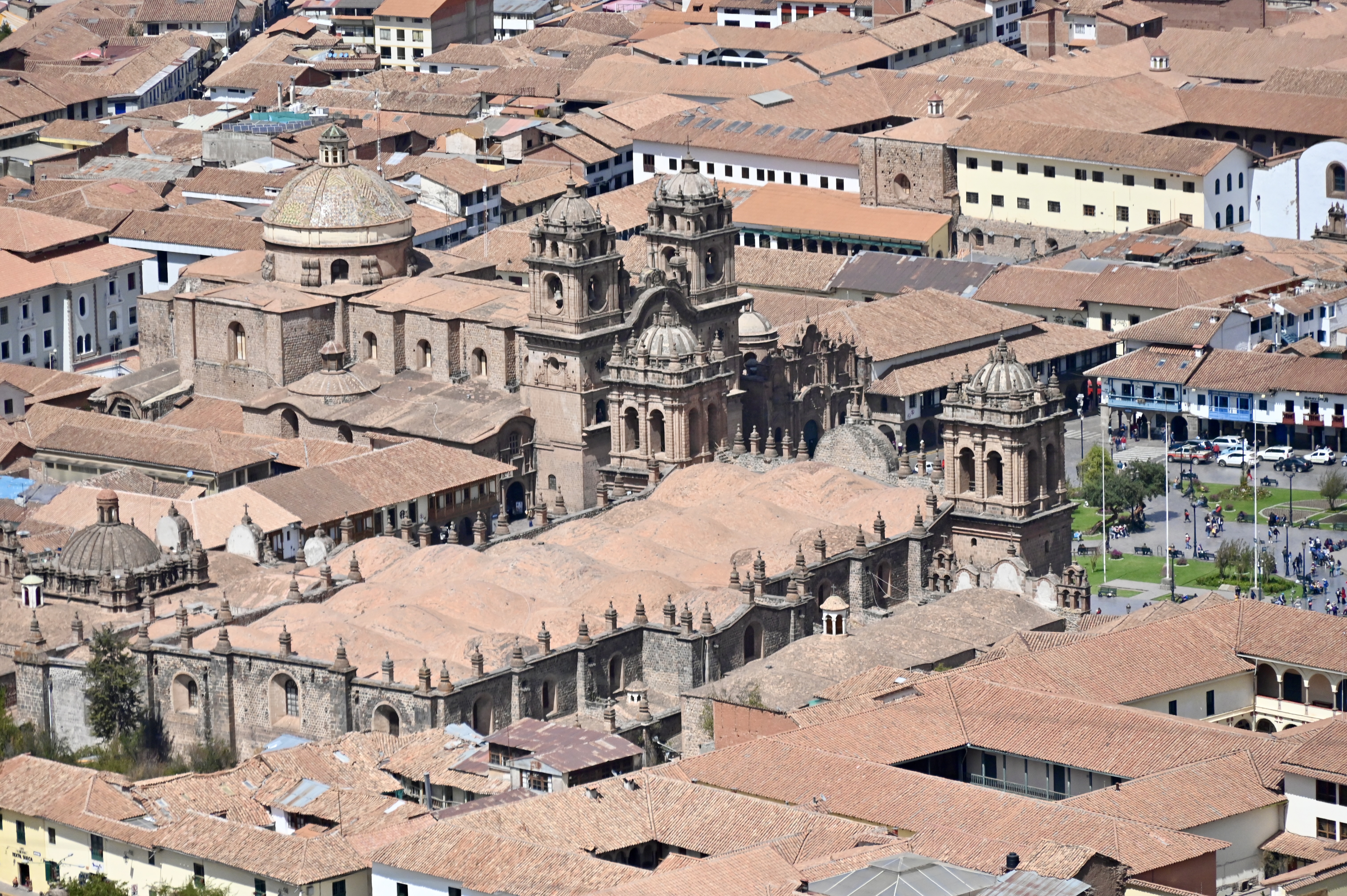
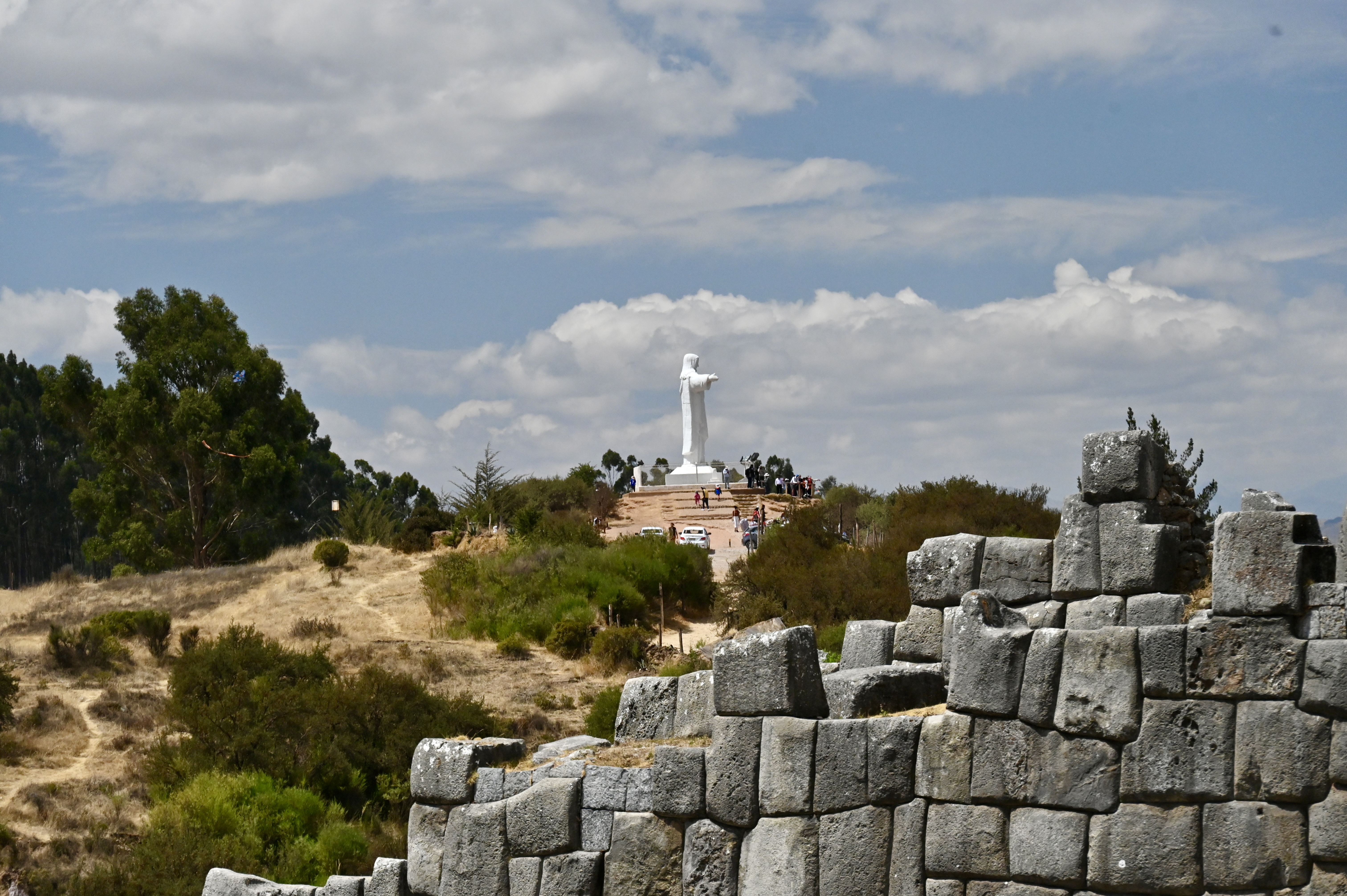
Flying into Cusco, the plane seems to skim over the brown, crenellated mountains until the runway suddenly appears. Leaving the airport, our bus crept gingerly through narrow lanes, then lumbered up to Sasqaywaman, a major Inca site located at 13,000 feet.
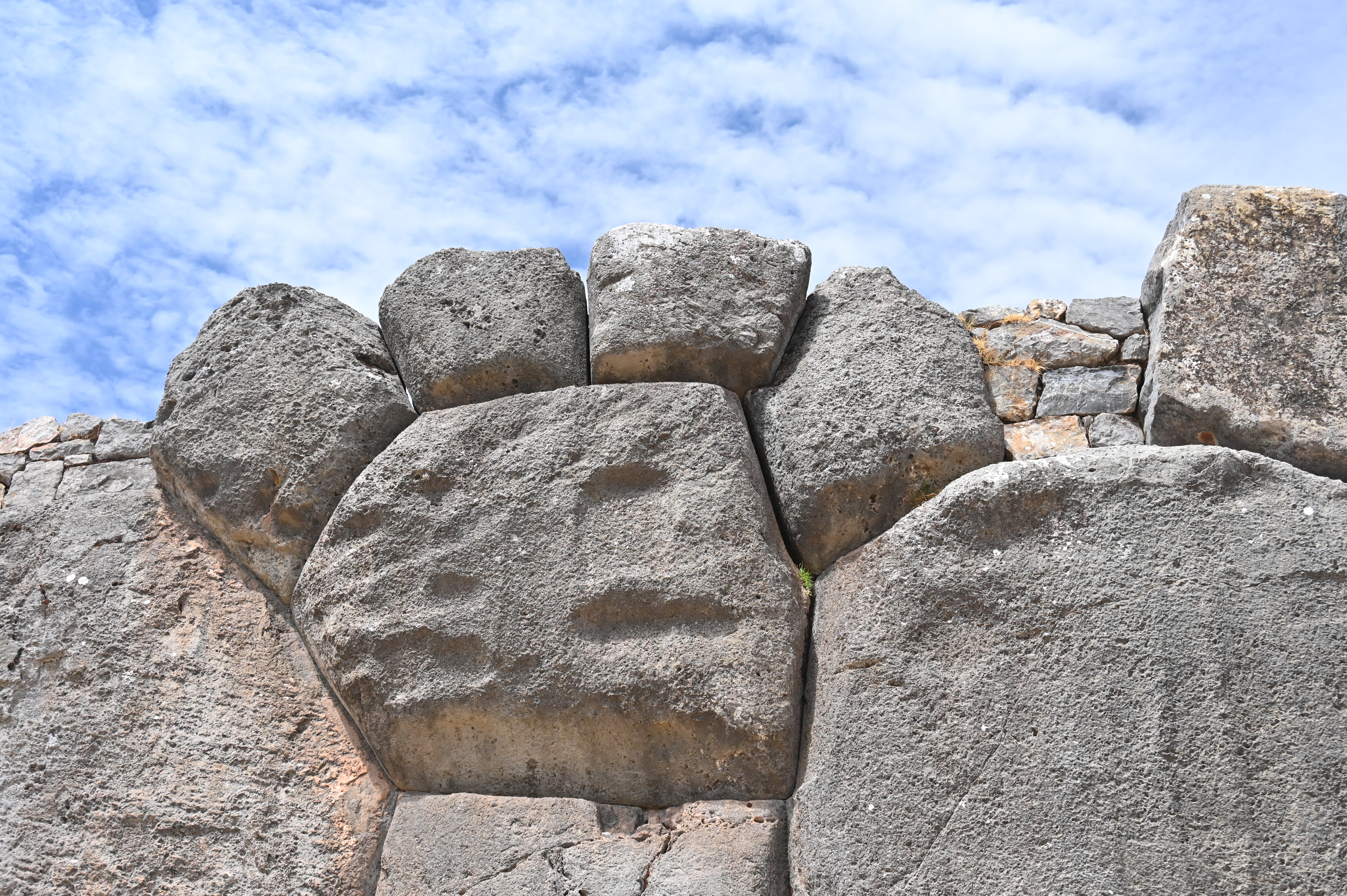
The site is stunning: walls made of gargantuan, closely fitted stone blocks, piercingly blue skies, and jagged peaks generate a profound sense of awe, which of course is what the Incas intended. Designs, including a puma’s paw, are worked into the walls. The stones – some of which weigh more than 100 tons – came from a quarry roughly a kilometer away. The Incas transported them using stone and wood rollers greased with llama fat.

Following lunch (including deep purple corn juice, corn/spinach fritters, salad, and fruit, as well as coca tea to combat altitude sickness), we drove to the charming town of Pisac. On the way, we passed dozens of roadside restaurants serving lechon (roast suckling pig), potatoes, chicken soup, and – it’s a delicacy in Peru and has been since humans first inhabited the area – roast guinea pig, which is reserved for special occasions.
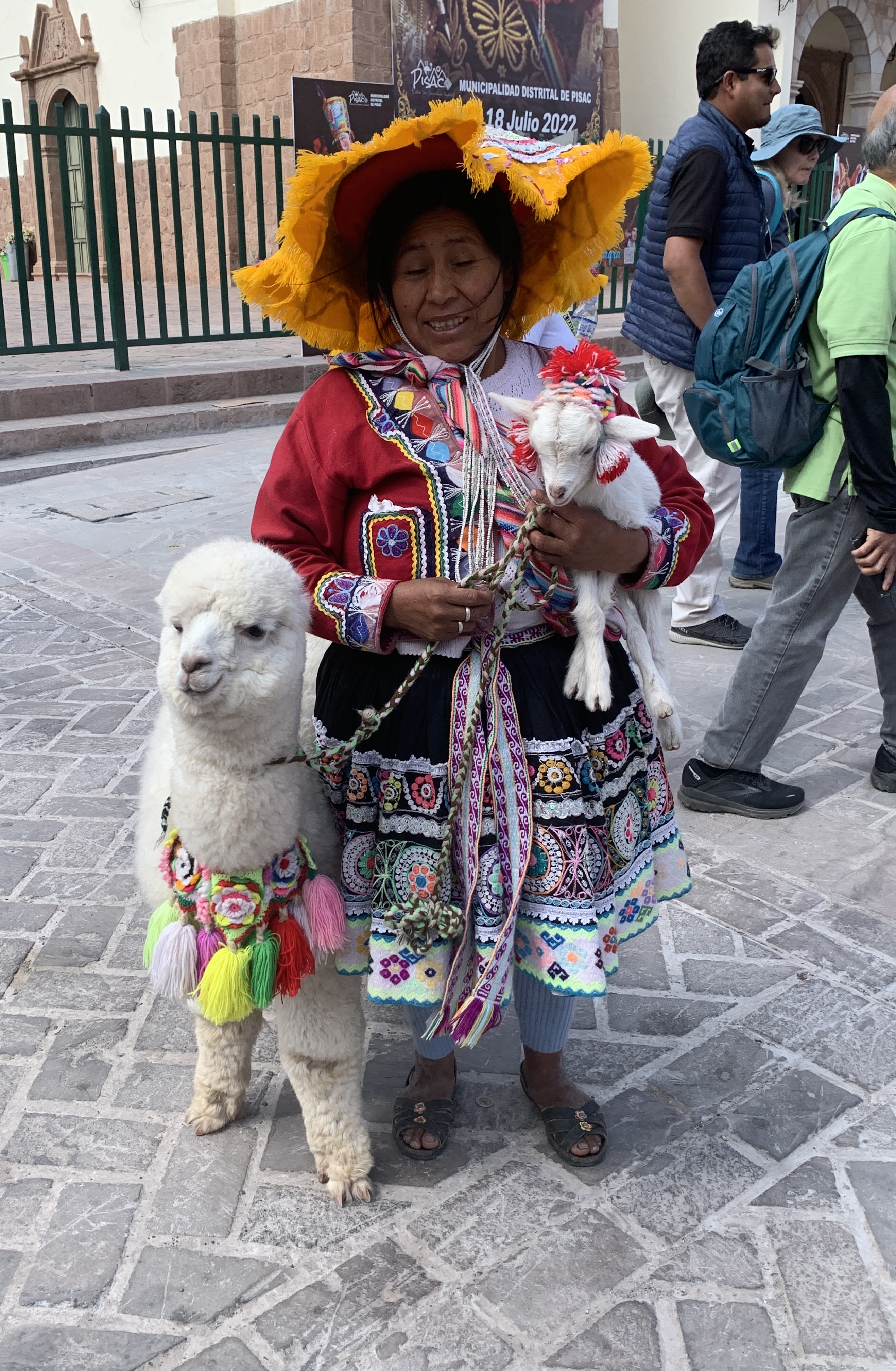
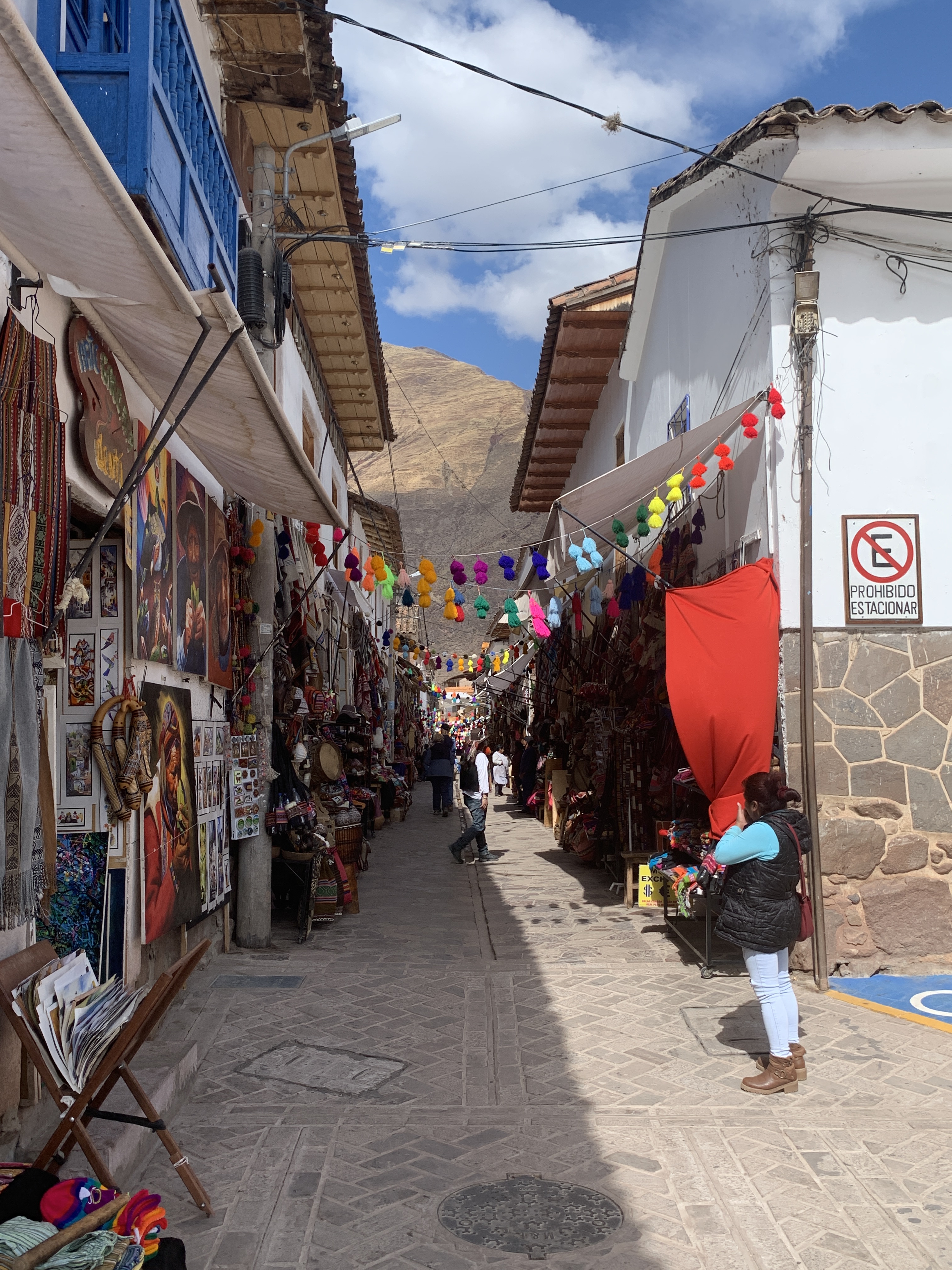
Pisac centers on a large plaza with narrow alleys radiating from each corner. Along these lanes, dozens of artisans ply their wares. Colorful alpaca wool blankets and clothing wave in the breeze and silver and gold jewelry gleam in the afternoon sun. Adding to the charm, women and little girls carry outrageously cute baby alpacas, posing for a picture in exchange for a dollar or two.
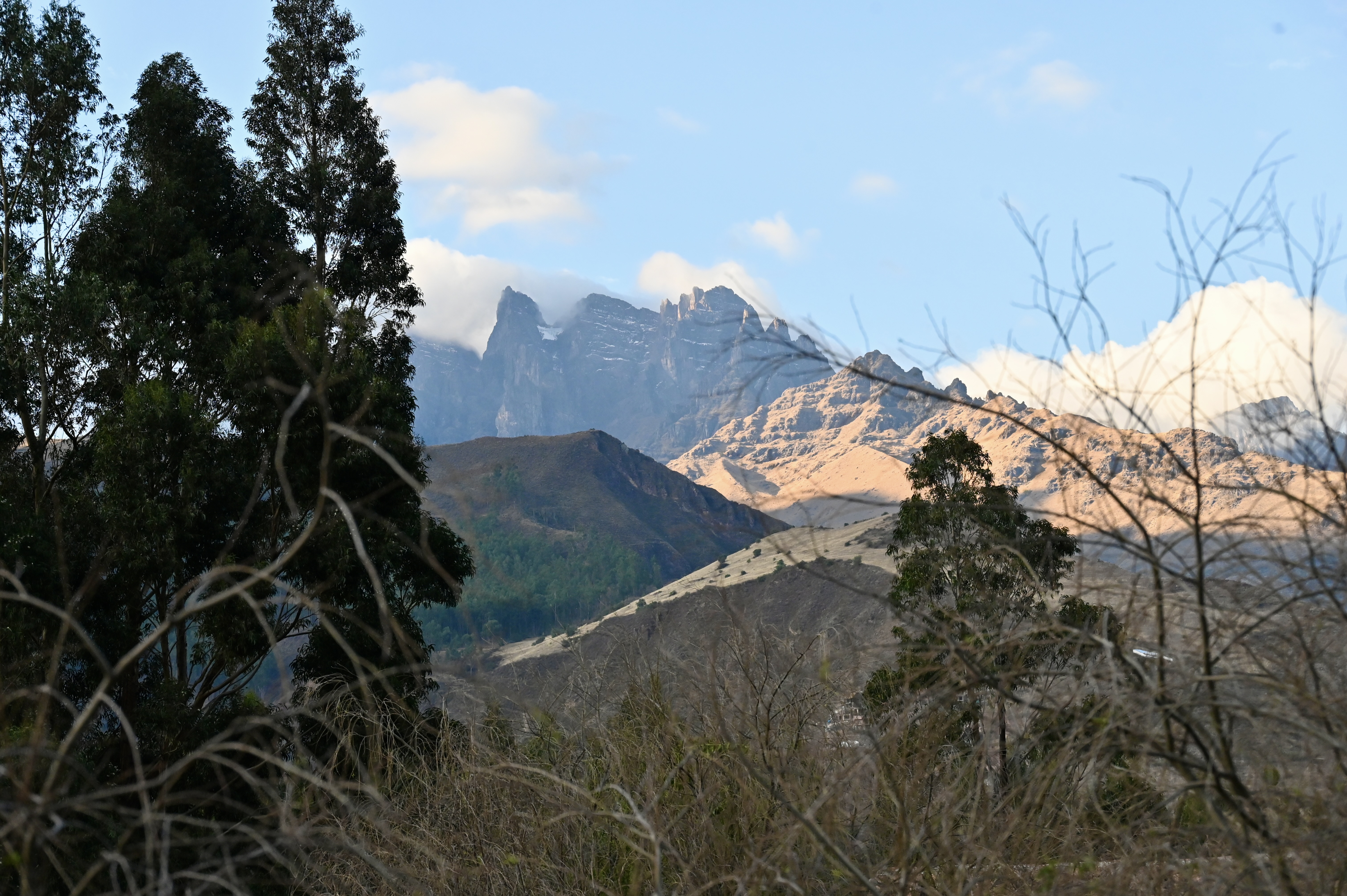
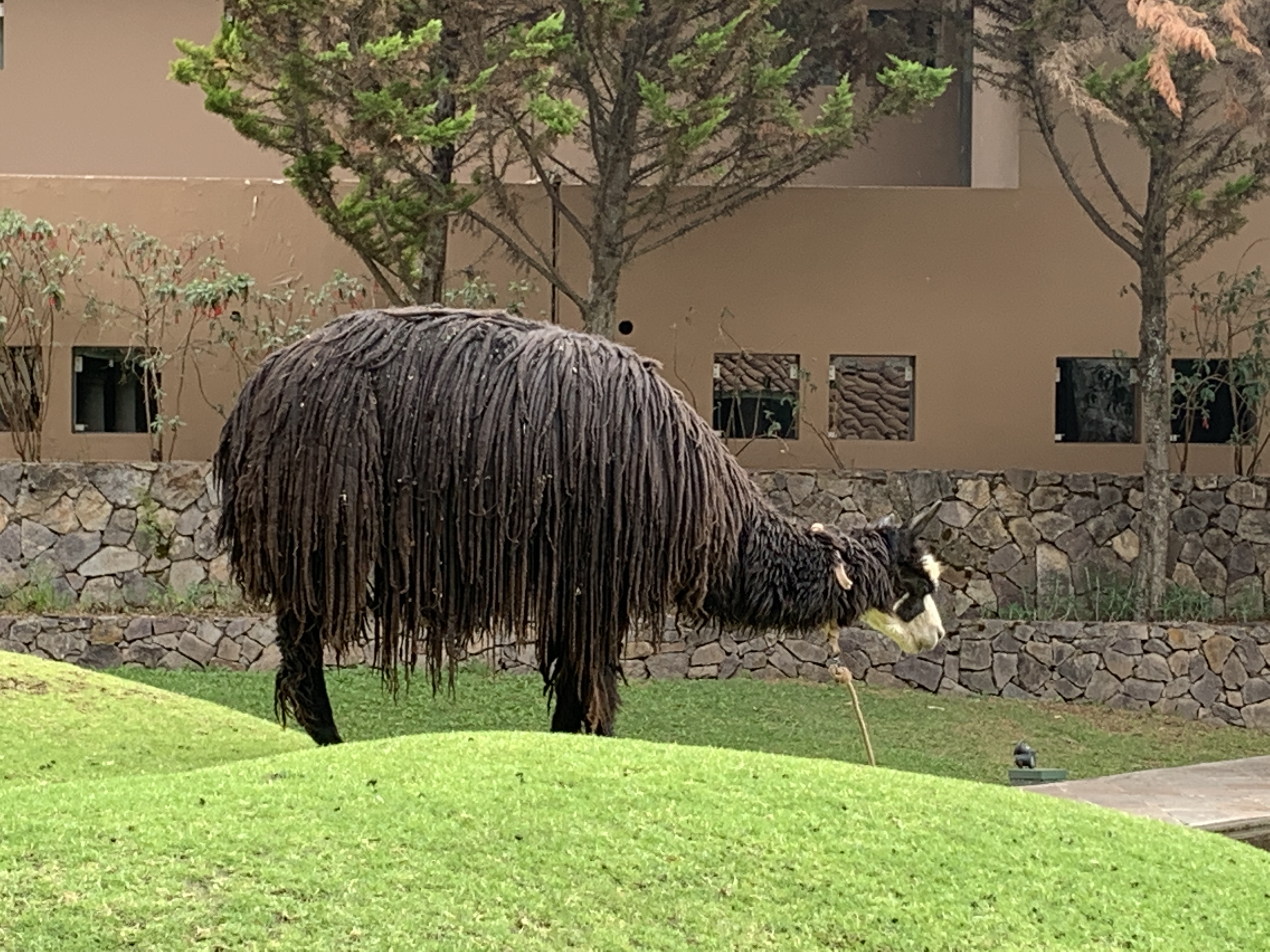
For the next two nights we’re staying at the Aranwa Sacred Valley hotel, which is spectacular. It has its own museum, chapel, and movie theater, and the view from my balcony is jaw-dropping.

 PuffinlessTravel