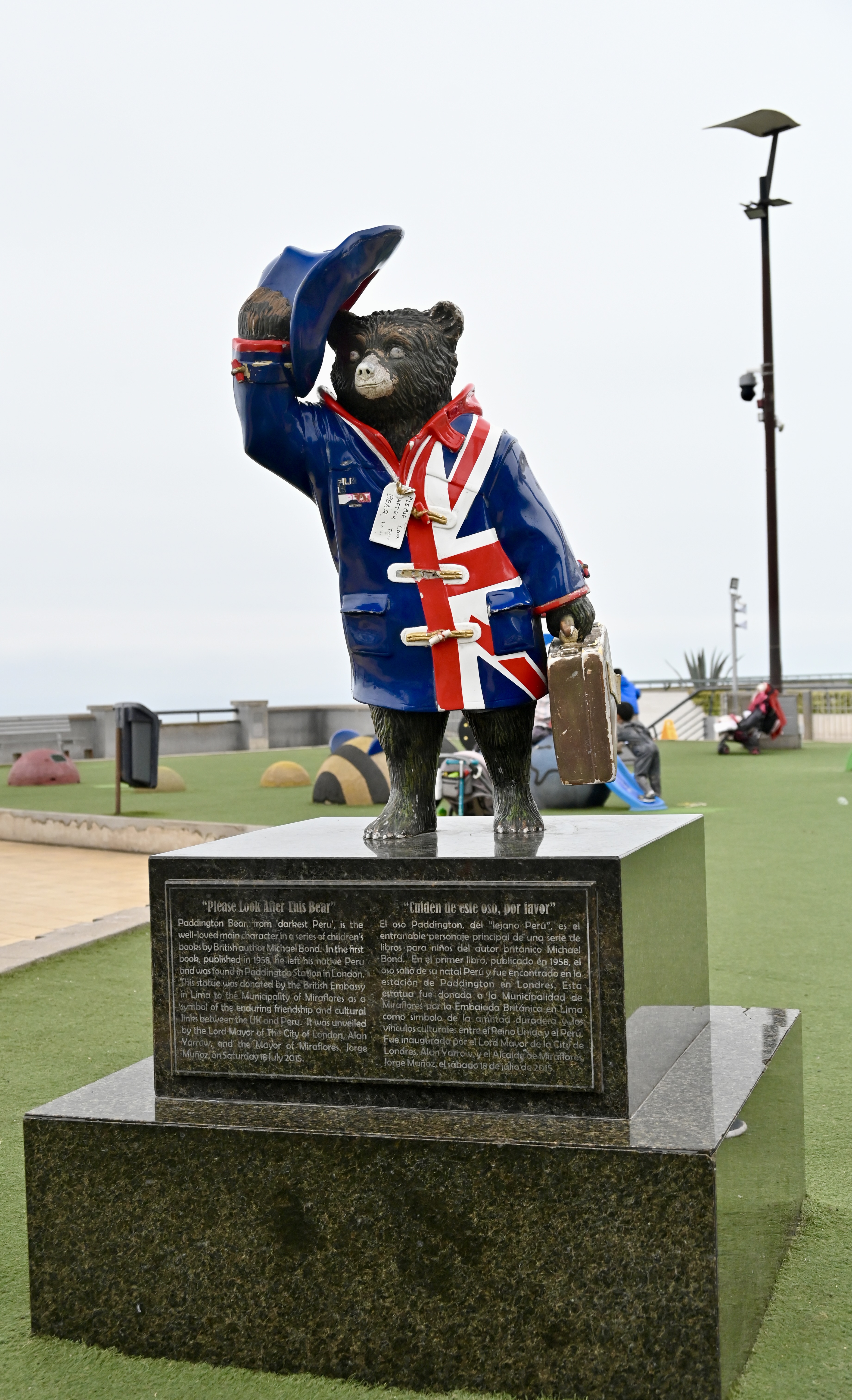
Continuing a travel-packed year (Antarctica in February, Wales and the Isle of Man in July), I’m traveling with Smithsonian Journeys to Peru, Ecuador, and the Galapagos.
Our first stop: Lima, so I can now say “Lima? Bean there, done that,” though I probably shouldn’t. I hope you’ll Peru-se and enjoy my random observations. (Rim shot.)
My trip began with a couple of good omens. The night before my very early flight to Miami, American Airlines gave me an unsolicited, complimentary upgrade to business class. Then, rather than having to hike through the Miami airport to a gate in a different zip code, my connecting flight from Lima left from an adjacent gate. (On the other hand, both major airports in Peru (Lima and Cusco) are named after aviators who died in plane crashes. I’m not sure that sends the right message.)
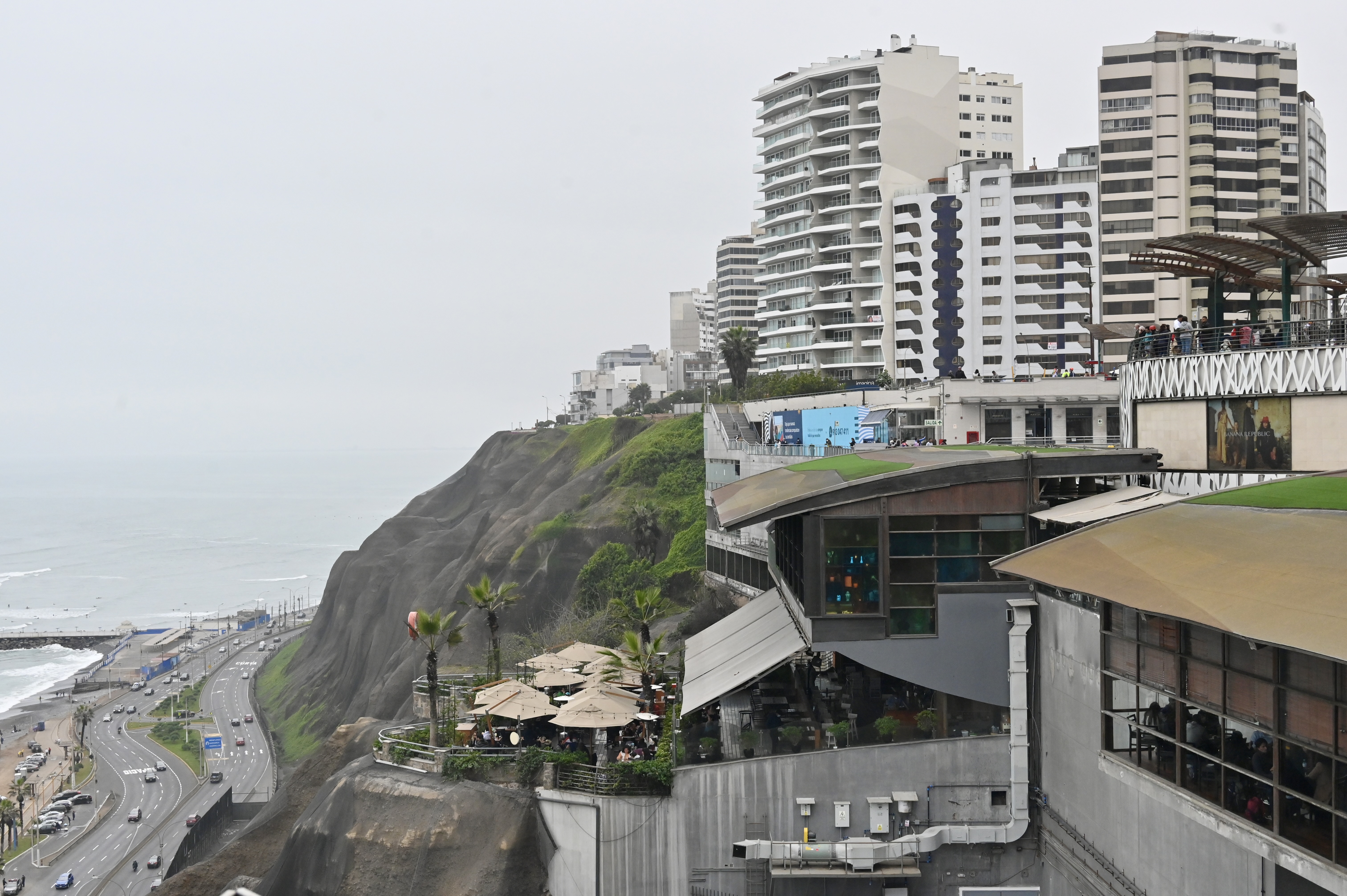
Lima is a vibrant, traffic-choked city squeezed between the Andes and the Pacific Ocean. It’s not particularly beautiful: many of the older buildings were destroyed by an earthquake, and the newer construction tends toward monolitihic, two- or three-story cement structures. Visiting toward the end of their winter, the skies were unrelentingly gray and the weather comfortably cool (low 60s), but even with all that, the aura was energetic.
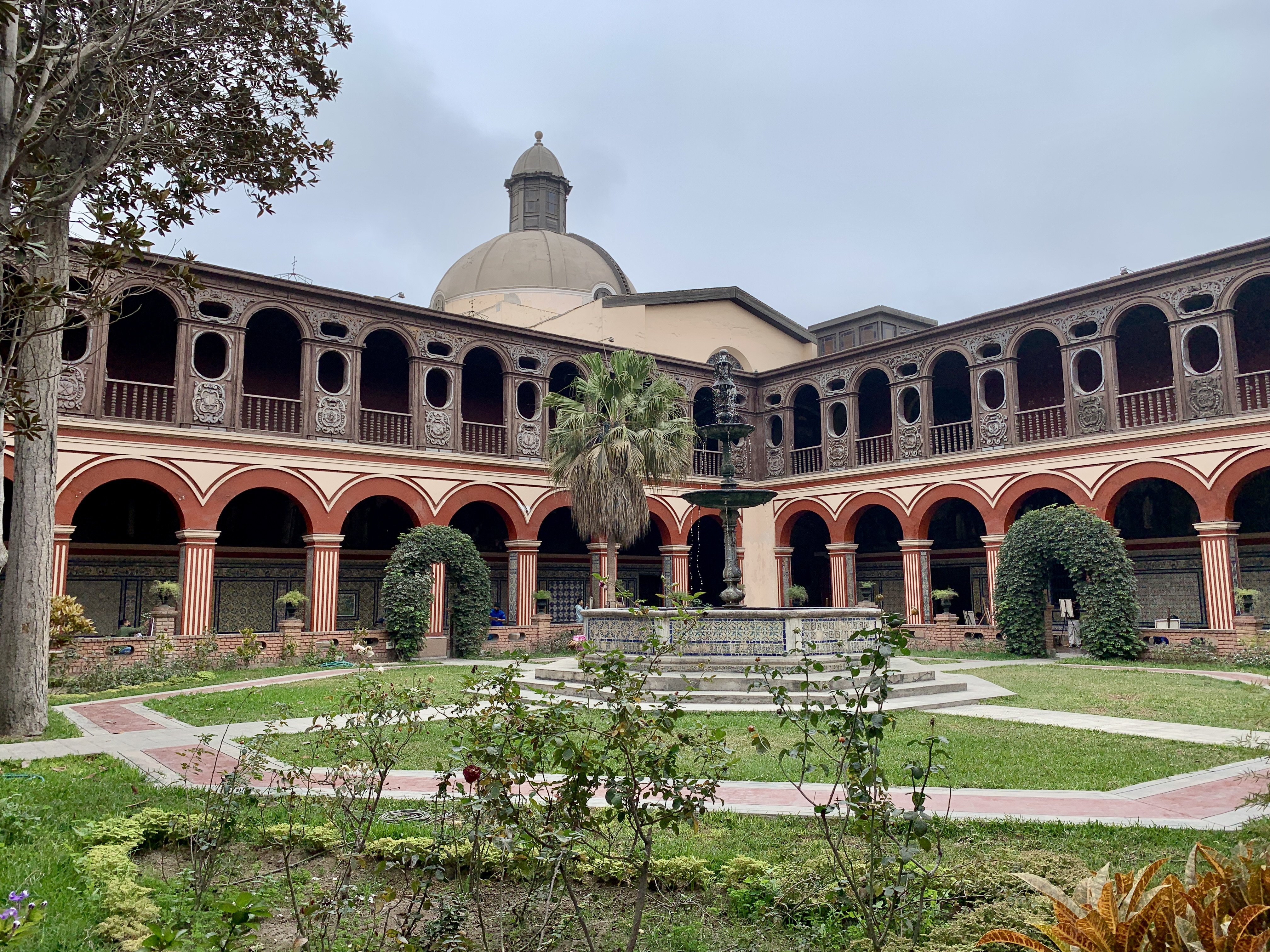
On a Sunday, locals shivering in down jackets (!) and their sweater-swathed dogs (!!) thronged the streets, music blasted, and garlic-infused aromas from the pervasive Chifas (Chinese-Peruvian fusion restaurants) spiraled through the air. Our tour began at a park (Parque Salazar) overlooking the Pacific, where wet-suited surfers rode the waves and black vultures hulked on lamp posts. I’m hoping there was no connection between the two.
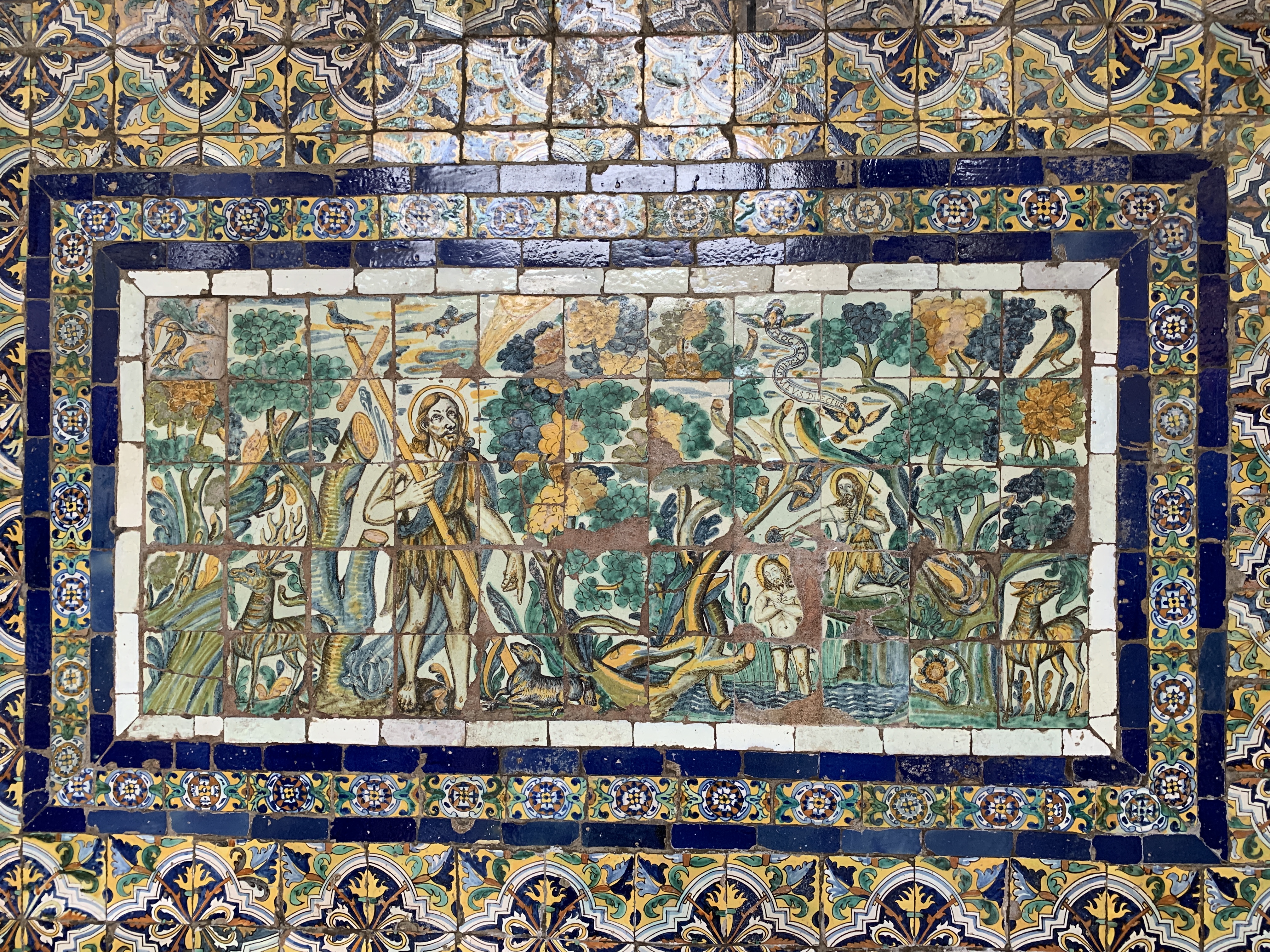
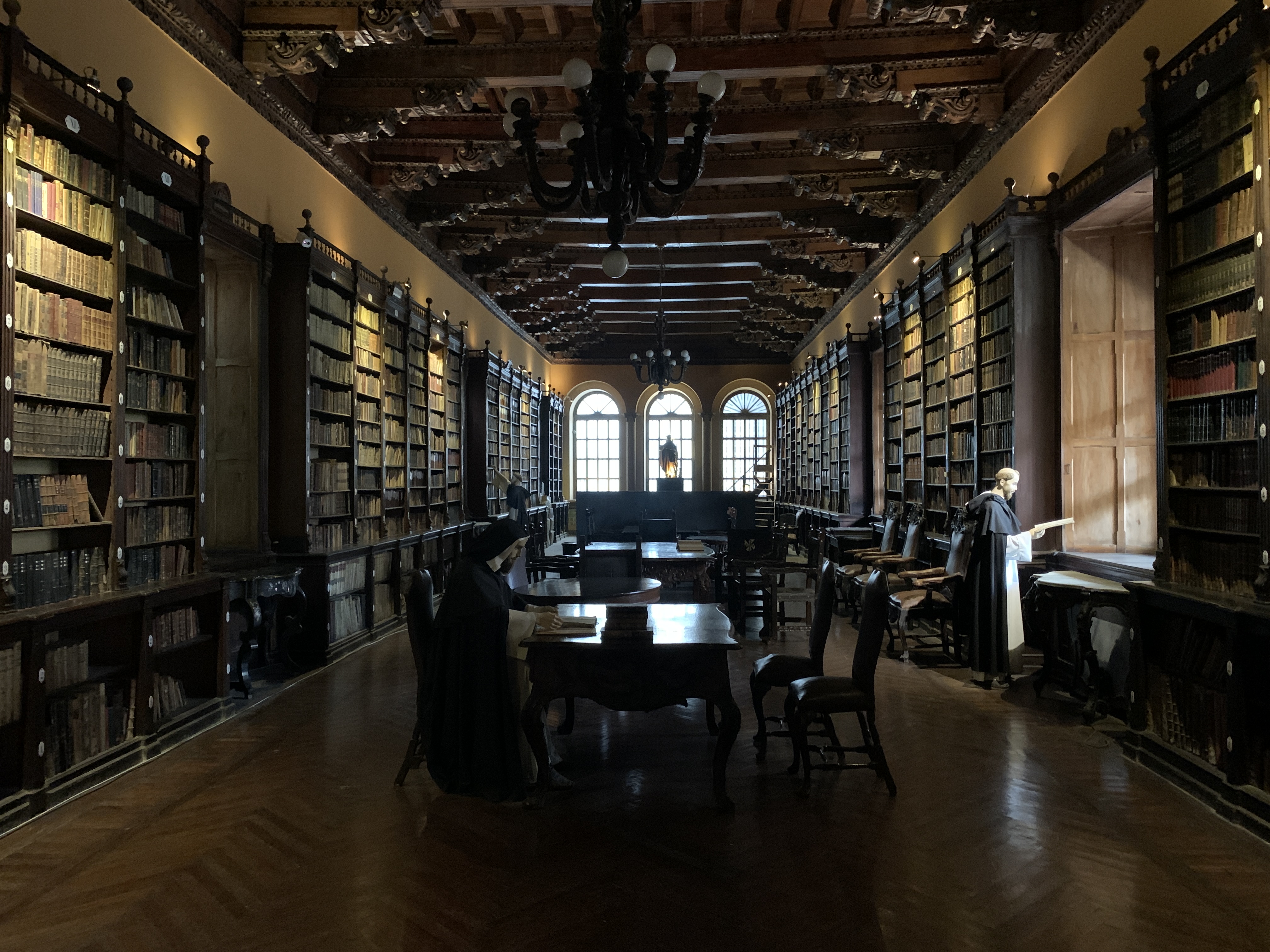
We then went to a museum that once was a monastery, where students from an art college worked on paintings of saints in a stately courtyard lined with colorful tiles dating back to 1604. The monastery’s library was darkly atmospheric, suffused with the smell of ancient manuscripts and watched over by life-sized figures of monks at work.
Our next stop was a private mansion (Casa Aliaga) that has been in the same family for 18 generations. The house, which is still occupied, is filled with portraits of austere ancestors, ceramic vases, and massive wooden furniture. I’m sure it has its share of ghosts, but none made an appearance during our visit.
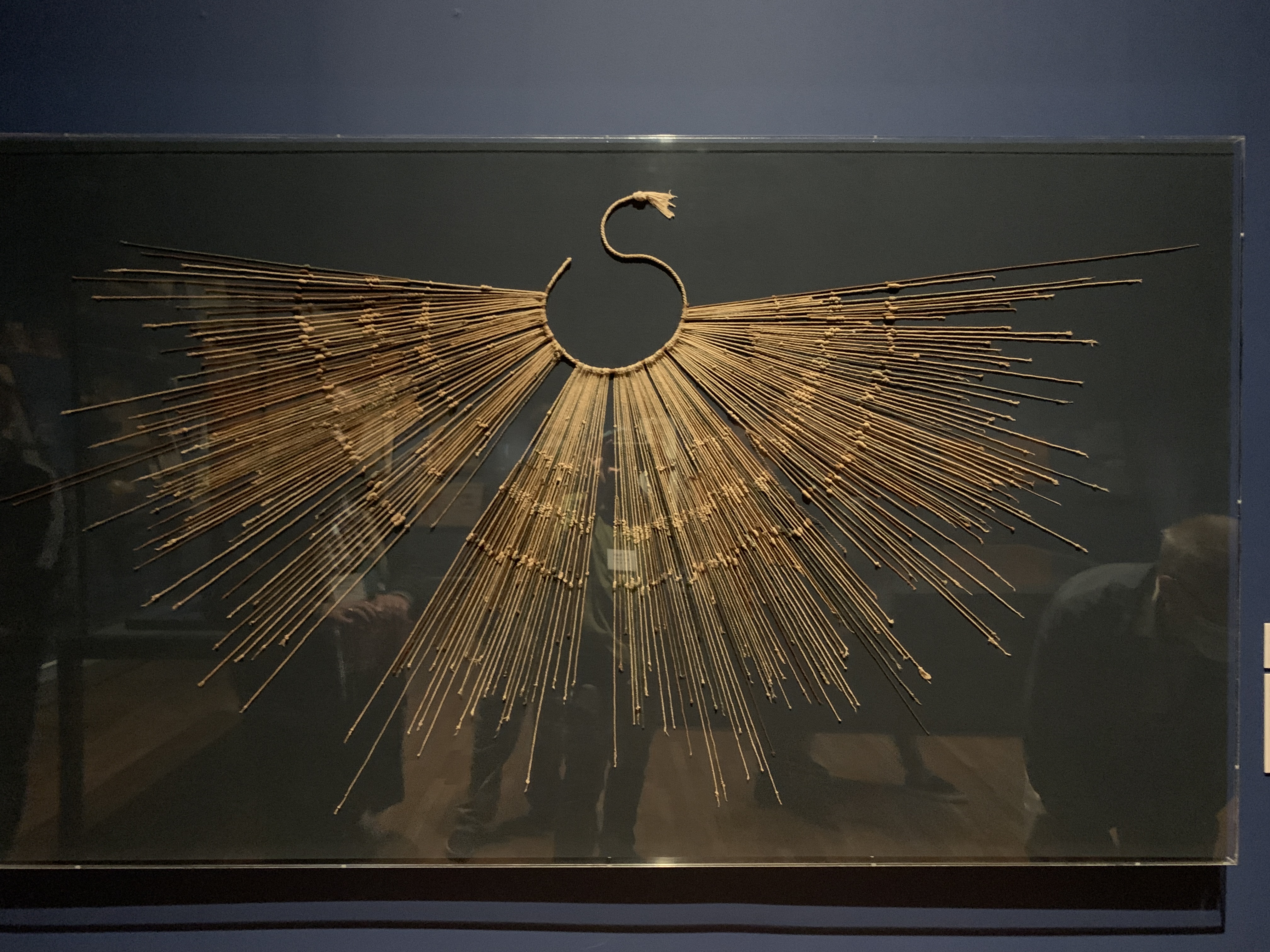
Finally, we visited an art museum showcasing textiles and other relics from pre-Incan cultures, the earliest of which date back over 5000 years. After returning to our hotel (the Westin, which was modern and well-appointed), our anthropologist expert, Bill, gave a fascinating talk about the earliest pre-Incan cultures. Following a delicious dinner, I settled in for a brief night’s sleep, with a 4:30 a.m. wake-up call looming.

 PuffinlessTravel