In June 2019 I took a Celebrity cruise from Dublin to Amsterdam. The itinerary was fantastic – stops in Ireland and Northern Ireland, Liverpool, Dover, Le Havre (for Paris), Normandy, and Brugge. This post covers the first two stops.
This was my second trip to Ireland. For the first, in 2011, my family rented a minivan and spent a week driving around the Republic. (You can read a post from 2011 called Ireland Too Briefly here, a post about Eating as a Vegetarian in Ireland here, and a post about Driving in Ireland here.) I fell in love with Ireland’s friendliness, beauty, and history, and my second trip in 2019 cemented Ireland’s place at the top of my great-places-to-visit ranking.
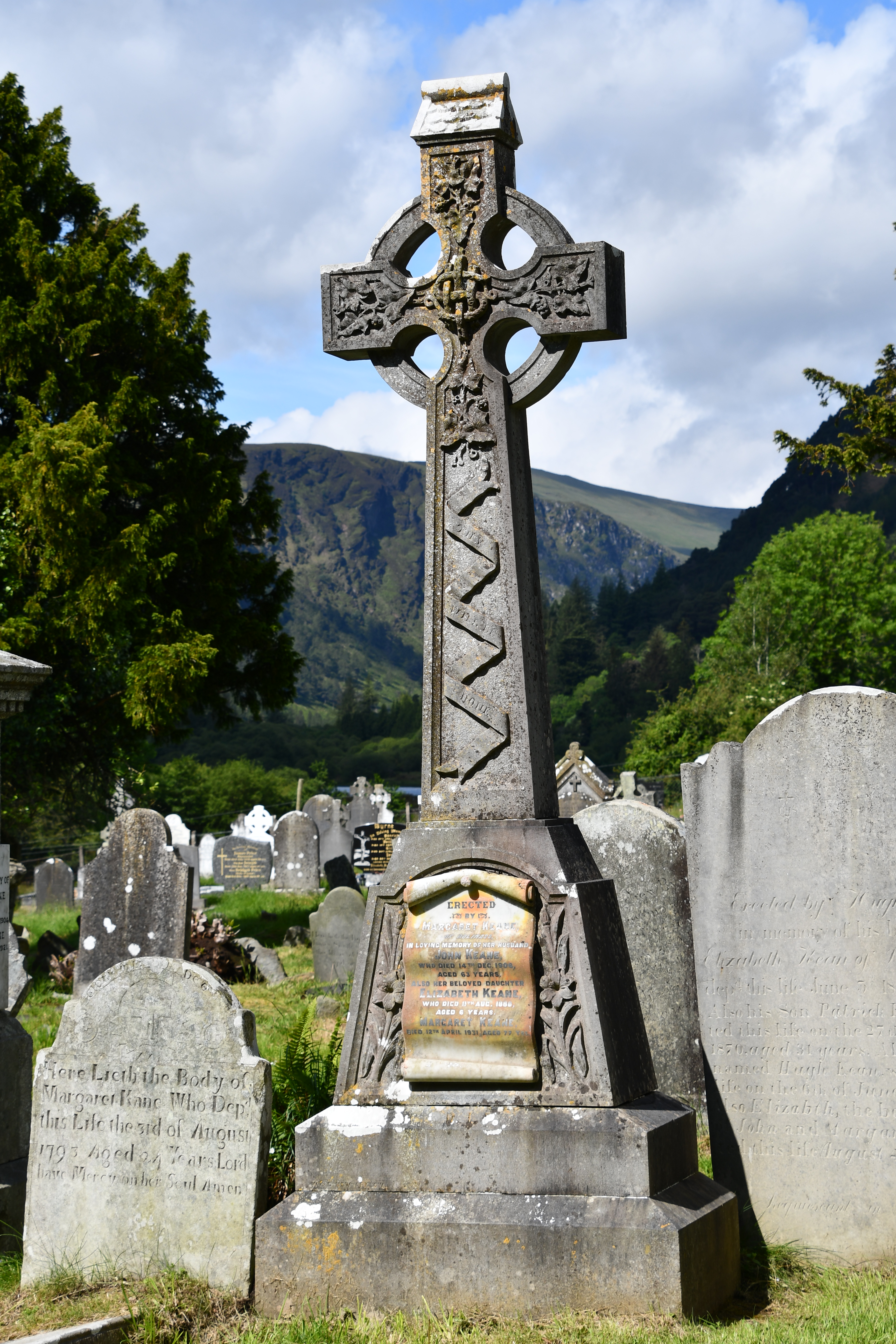
Dublin: June 15 – Today’s trip to the monastic ruins at Glendalough began with a lengthy tour of Dublin’s red light district. Nothing prostitution-related, mind you, just an observation that seemingly every intersection on the way out of the city featured a stop light, and as soon as the one restraining our bus turned green, the next corner’s changed to red. On the bright side, I had ample time to admire the Georgian architecture and statues of famous poets, writers, and politicians, as well as the pervasive Insomnia Coffees (Starbucks is here but hardly ubiquitous) and Subways.
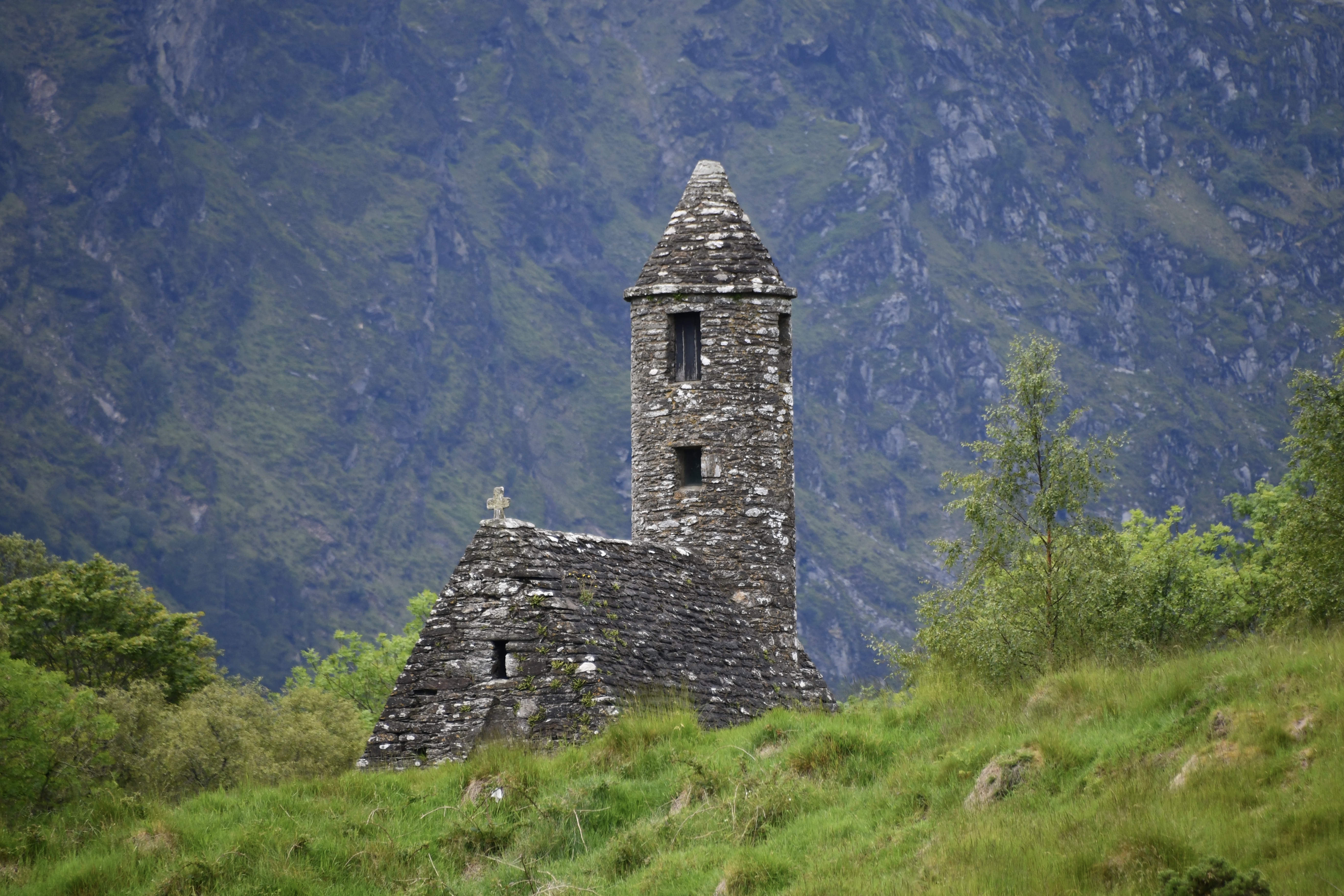
Outside Dublin, the countryside is storybook perfect, with achingly green, rolling hills, pristine lakes, immaculate cottages, and admirably sparse traffic signals. Glendalough sits high above County Wicklow. Its monastery was founded in the 6th century by Saint Kevin, and many of its ruins date back to the 900s. The setting is gorgeous, with white, yellow, and blue wildflowers and vibrant purple/pink rhododendrons (alas, the latter are invasive and slowly choking out the native plants; there’s a meanie in every fairy tale). Several well-maintained hiking trails wind their way past the monastic ruins, heading further up into the hills or around the neighboring lakes.
Perhaps Saint Kevin appreciated our visit; on our return to the ship most of the lights were green (though nothing like the hills).
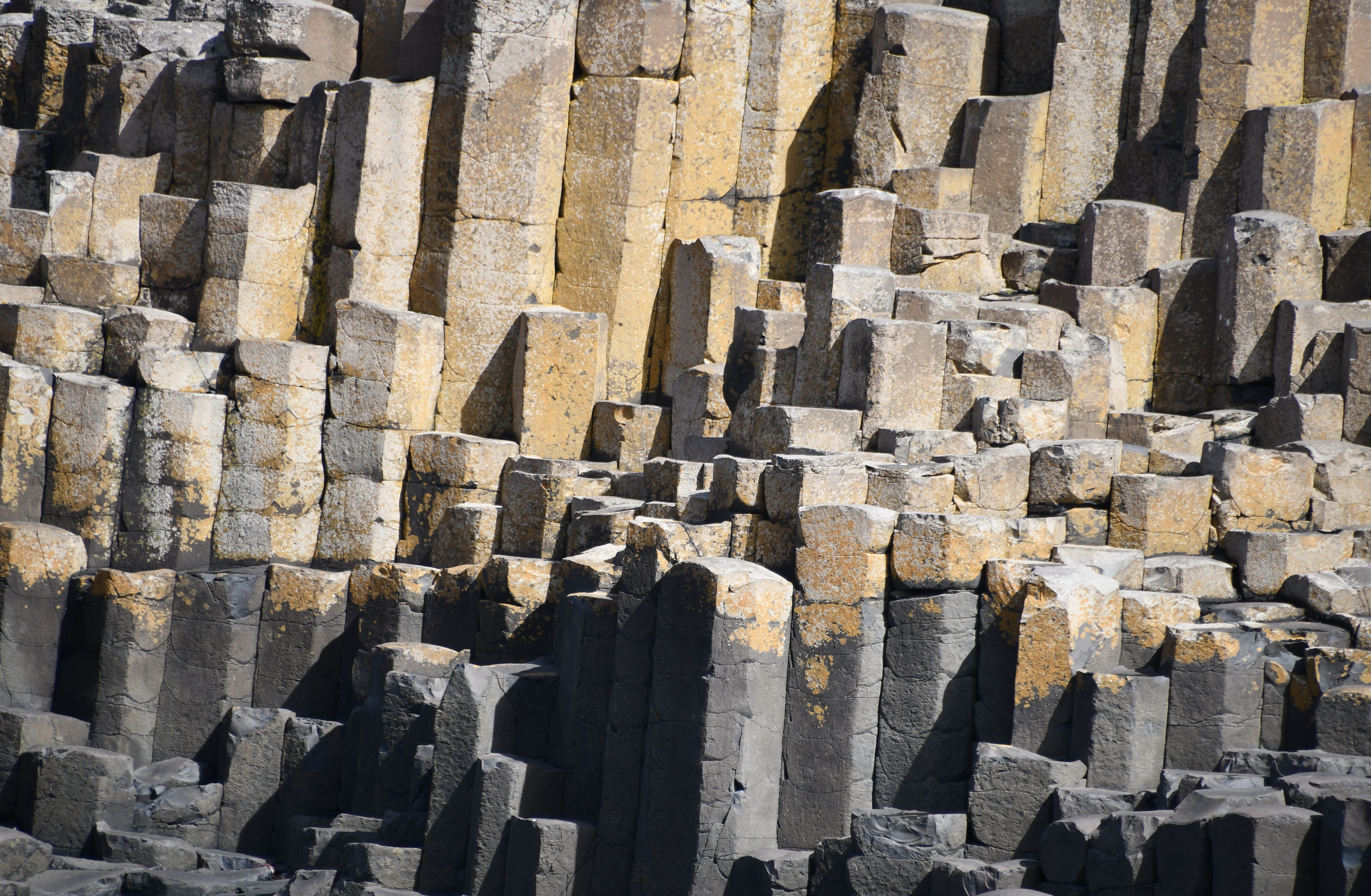
Belfast: June 16 – Depending what you wish to believe, the Giant’s Causeway – immense, perfectly hexagonal blocks of basalt – formed either 60 million years ago after repeated volcanic eruptions or in the legendary mists following a feud between the giant Finn McCool and a Scottish rival. Either way this World Heritage Site is impressive, set among crenellated (that’s for you, Andy) cliffs topped with bucolic sheep and cattle farms.
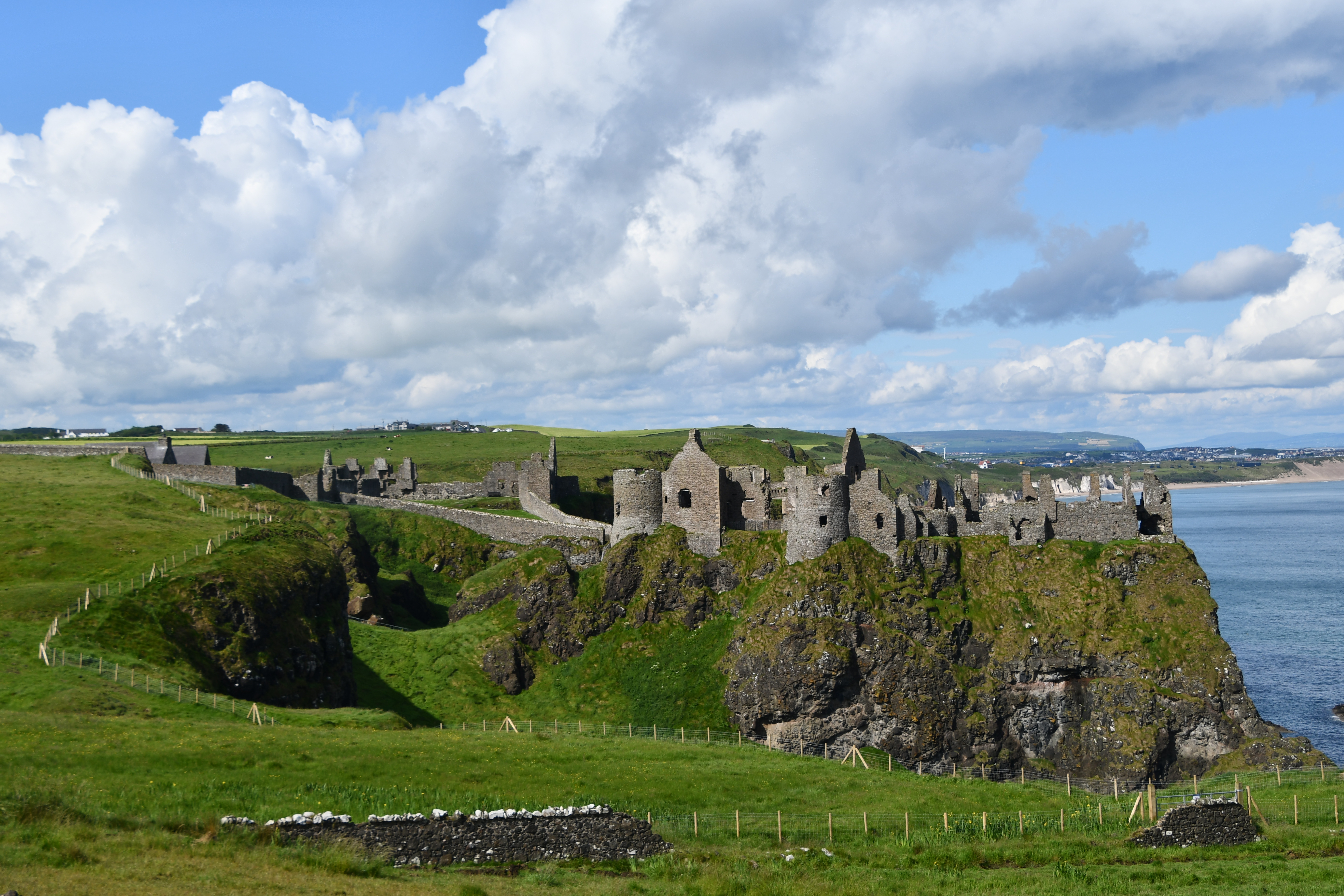
Spurning the shuttle, I followed the gently sloping “Blue Path” roughly a mile and a half past the rock formations and headed back, perhaps recklessly but with a measure of pride, via the steep “Red Path,” which afforded spectacular views of the Antrim Coast. (And upon returning to the ship I climbed the 8 flights of stairs up to my cabin, justifying the oatmeal raisin cookie I ate just before sitting down to write this.)

On the ride back to Belfast our tour guide became the history teacher we all wish we had, offering a fascinating overview of Ireland from Neolithic Times to the present, including a lucid and thought-provoking summary of the feud between the Republicans (Catholics) and the Loyalists (Protestants). He teased out the economic forces underlying the religious dispute (as in the American Civil War, much tension resulted from the disparate interests of the industrial North and the agrarian South) and confirmed that the British treated both sides shamefully, notwithstanding the Loyalists’ continued support for the UK.

The tour concluded with a bus trip through Belfast. I hate to draw any conclusions based on views out the bus window, but I didn’t find Belfast a particularly attractive city. From what I saw, the downtown area mixes a few remaining 19th century Georgian mansions and unrelentingly bland modern office blocks. Many of the buildings older than 20 years – at least those that survived German bombing during WWII – were obliterated during the Troubles. The Catholic and Protestant residential areas that I saw from the bus are equally run-down, their frustrations bandaged over with vitriolic posters and graffiti advancing their respective political agendas. Friends have since informed me they had much more favorable impressions of Belfast, so I hope to go back one day and give the city a much-deserved second chance.

 PuffinlessTravel
I have never actually been to Ireland or Northern Ireland so it’s nice hearing your opinions! I have always wanted to go and see the Giants Causeway, it always looks so amazing in the pictures I’ve seen! It seems you’ve enjoyed the scenery too 🙂