
In March 2019, I went with my Mom to Malta for her 85th birthday. Why Malta? In their travels together, my Mom and Dad (who died in 2016) visited perhaps 100 countries, but they never got to Malta.
* * *
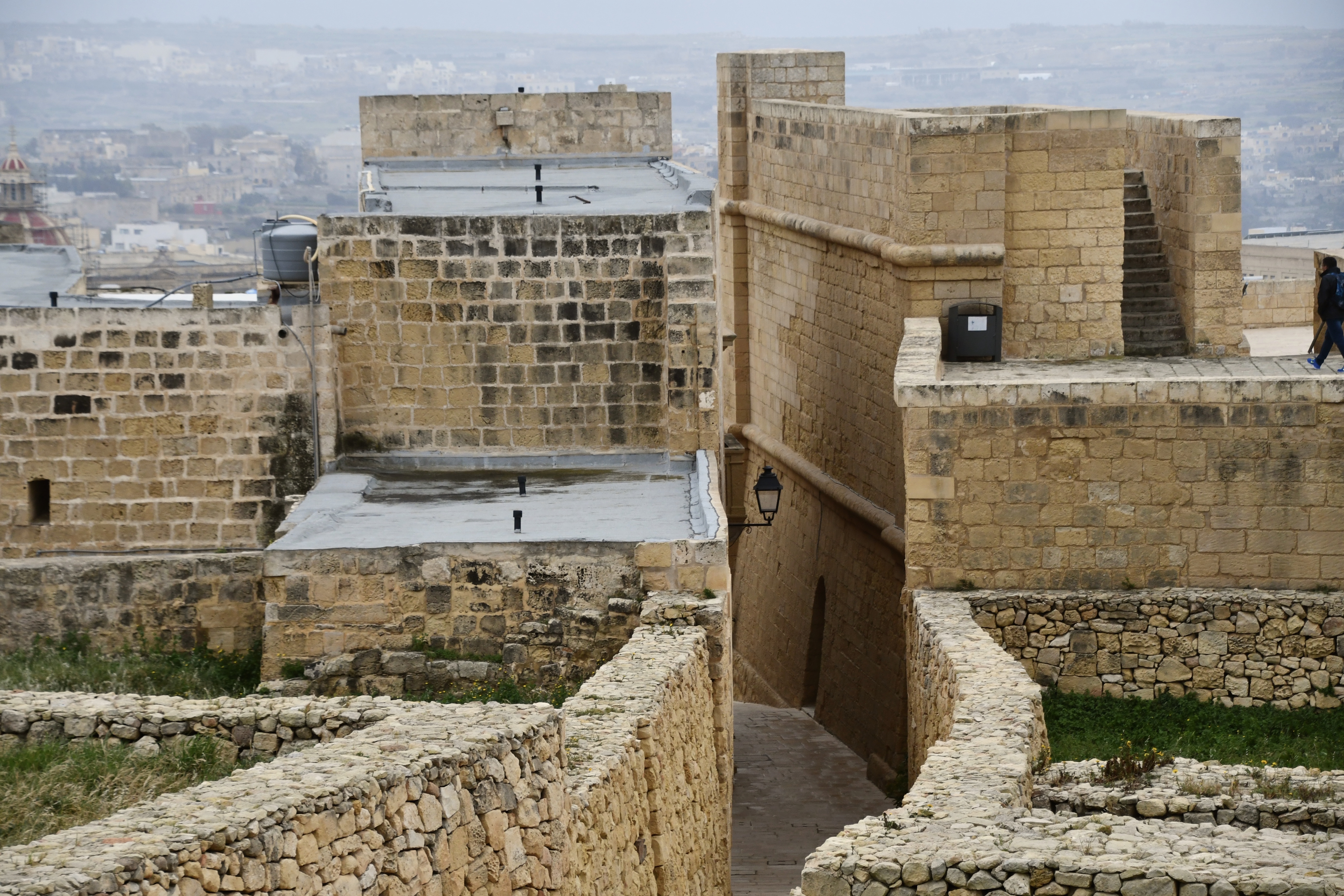
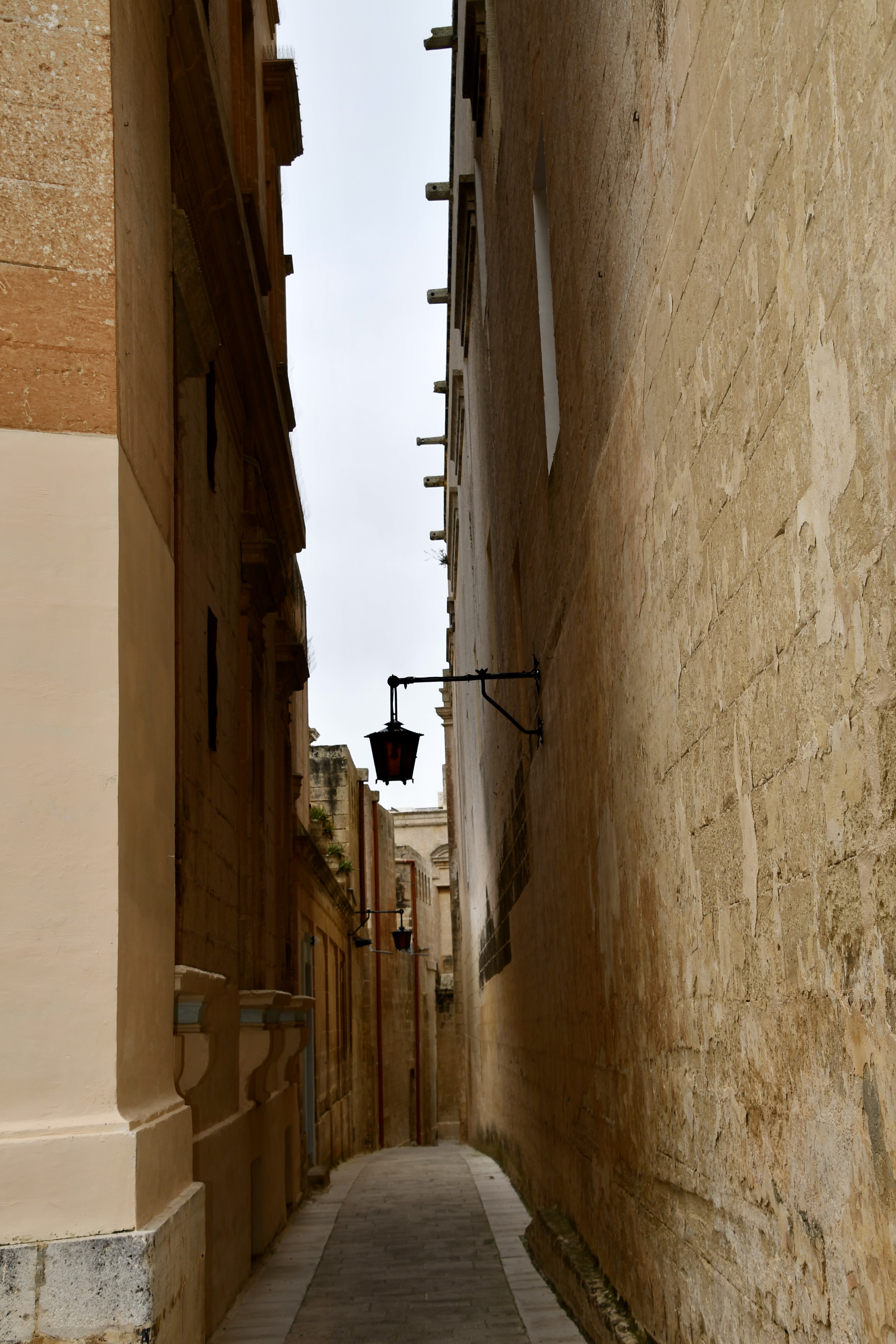
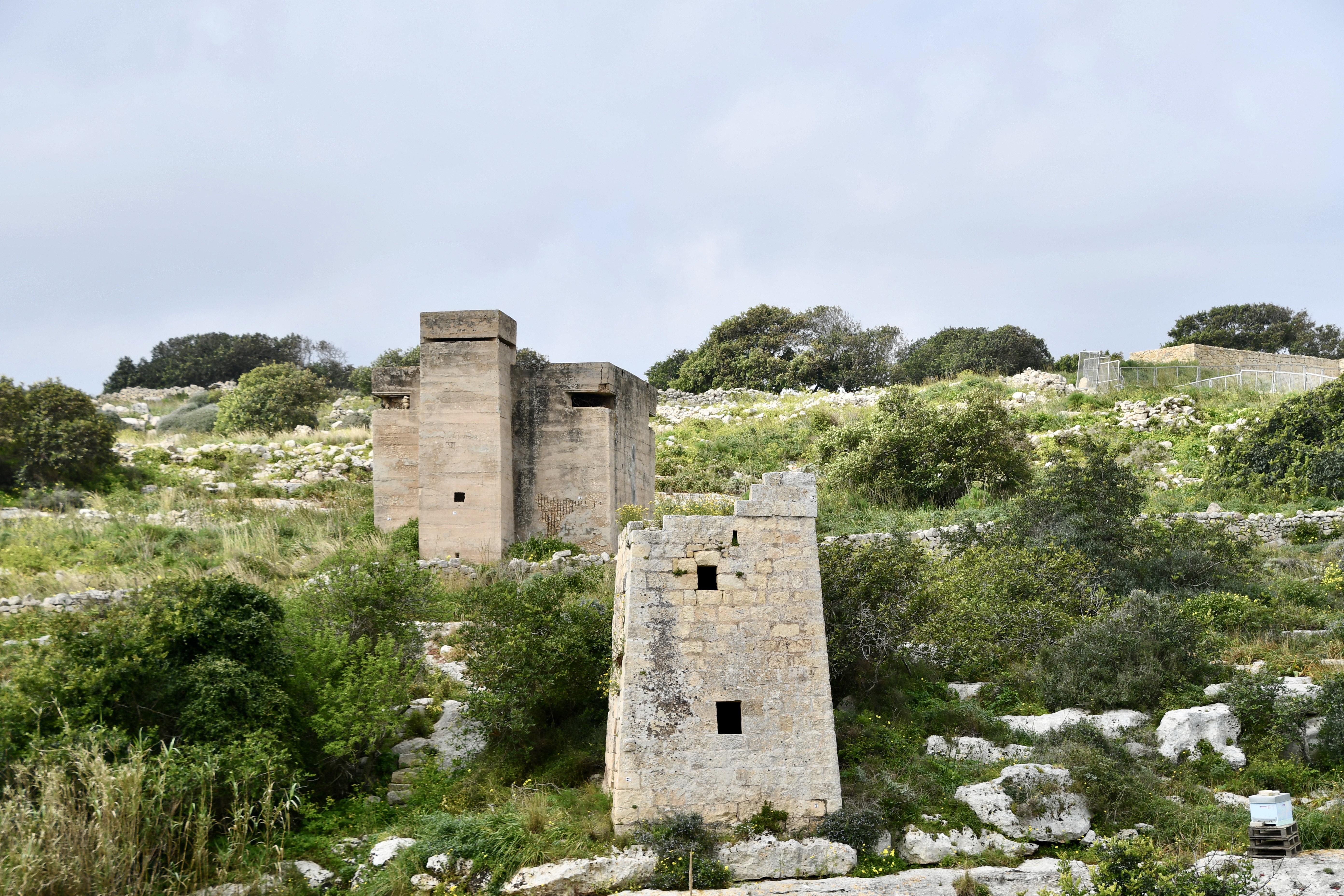
Malta has many a charm and quirk. Alas, in March it’s not particularly photogenic, with a color palette extending from beige through tan all the way to taupe, further dulled by misty, woolly skies. Even in sunshine, though, Malta is plain. Drab limestone is the building material of choice. Low, scrub-covered hills dominate the terrain. The main tourist attractions – walled medieval towns and the ruins of megalithic temples – are intriguing and historically significant, but not visually striking.
Malta is a mini-UN. Just as Rome, the Byzantine Empire, Arabs, and Great Britain ruled Malta over the centuries, Malta today teems with ex-pats from Italy, Greece, North Africa, and England (and India, and eastern Europe). It’s like DC: encountering a native is unusual; most everyone you meet hails from elsewhere. The cultural mix is energetic and exciting: excellent ethnic restaurants abound and the nightlife hums.
Speaking of restaurants, Maltese cuisine features rabbit as a star ingredient. I did not consume any; rabbit flunks my test of I-won’t-eat-it-if-I-wouldn’t-kill-it. I did, however, have terrific pizza, exceptional Indian food, and lots of fresh fish. Even street food – spiced tuna salad on some kind of bialy-like roll – was remarkably good.
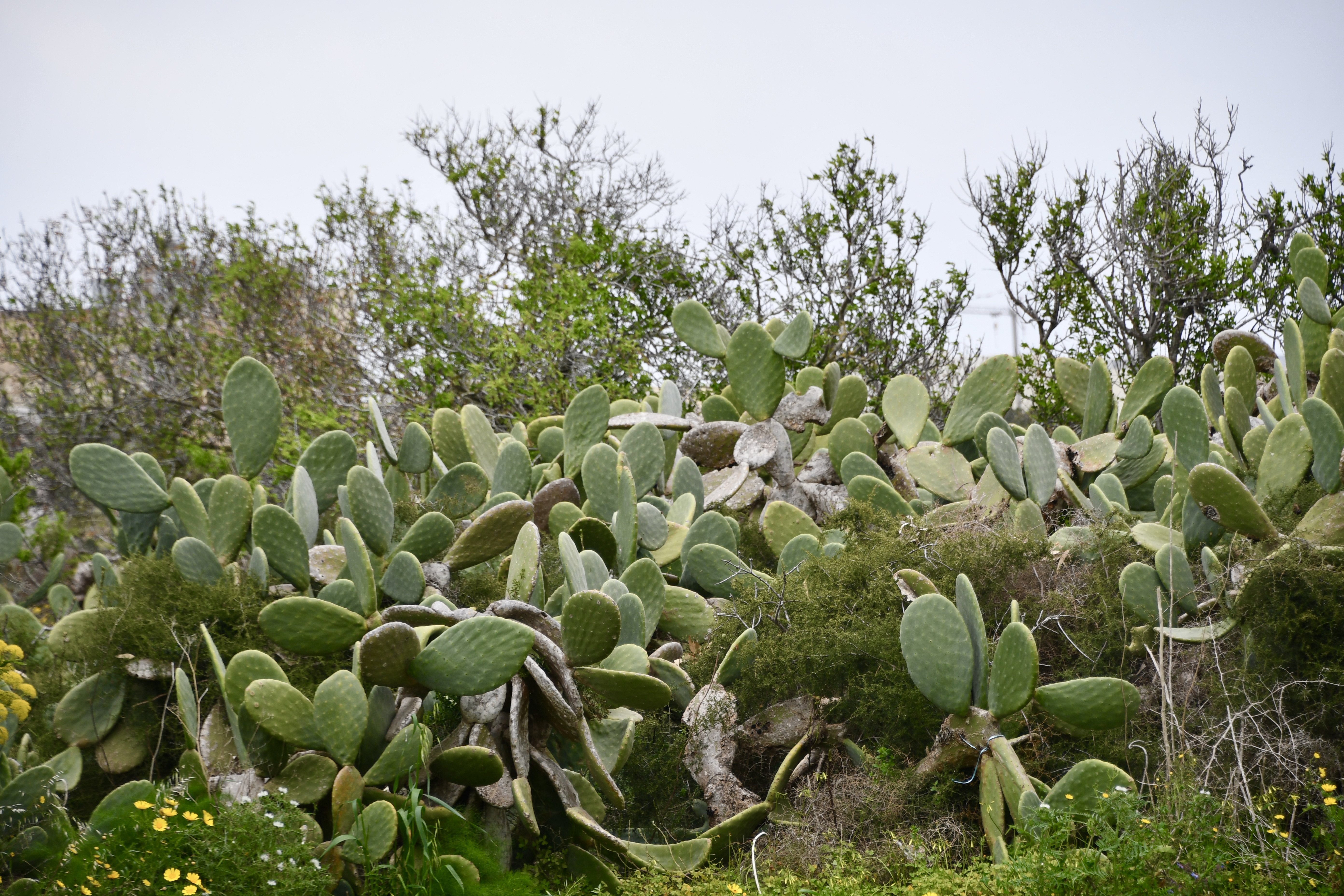
Which brings us to drinks. Cisk, the local beer, is a fine, crisp, light lager, and it’s served nice and cold. British rule over Malta yielded driving on the left (often in London-caliber congestion), ubiquitous English, and UK-type electrical plugs, but not, mercifully, room temperature beer. I figured that Bajtra, a liqueur derived from prickly pear cactus, might resemble tequila. It doesn’t. Bajtra is sweet in an almost cough-syrupy way, but it has an interesting tang and is worth sampling.
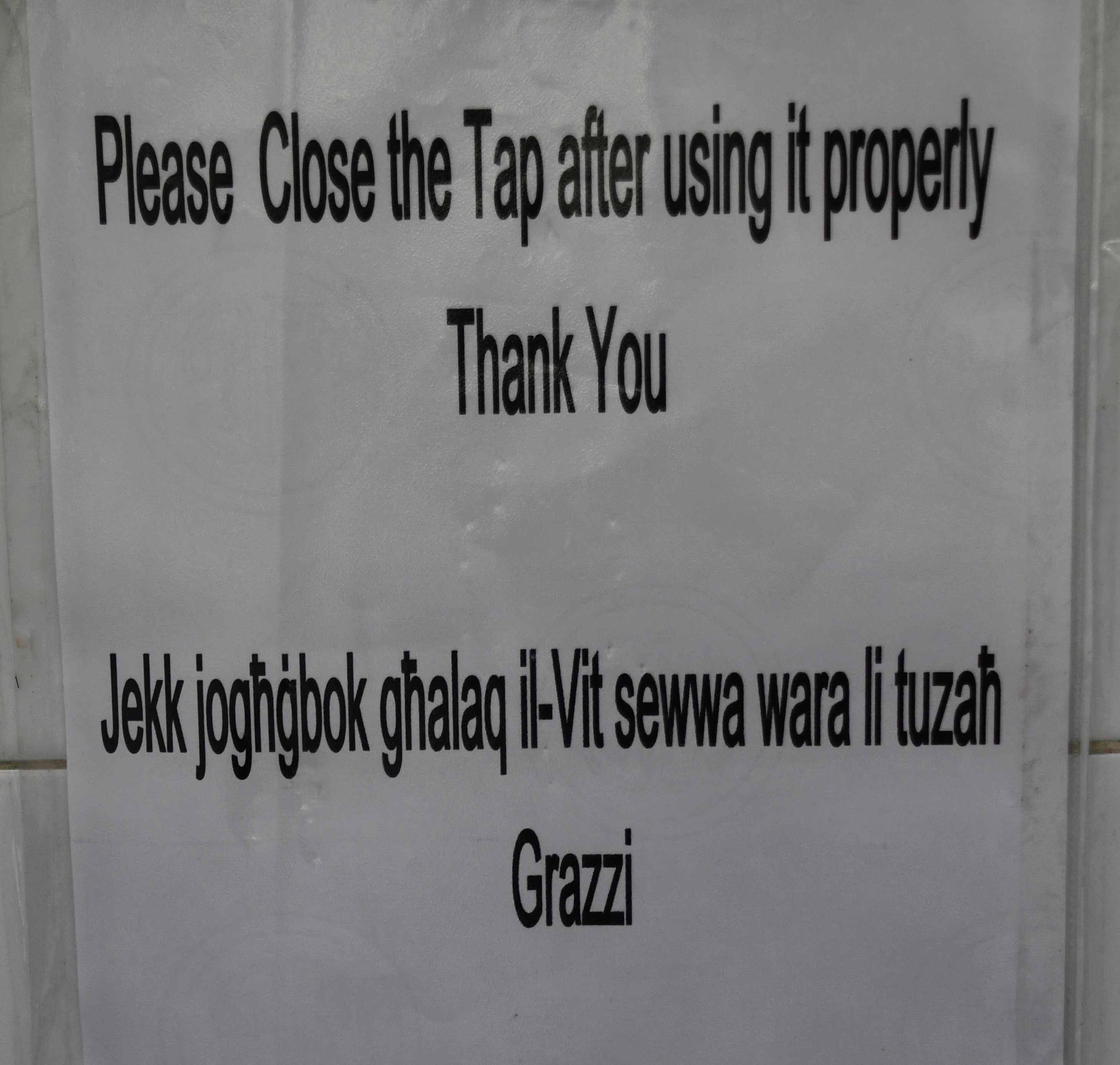
In culinary terms, Malta’s language is a dish of couscous mixed with caponata, doused in garlic, oregano, and parmesan, and topped with bits of bangers and mash. It‘s Arabic-derived, but incorporates considerable Sicilian and Italian influence as well as shards of English, and, like my hypothetical dish, it can’t be easy on the tongue. The Maltese alphabet has 30 letters, but most words seem comprised of k’s, q’s, w’s, g’s, and h’s. Fortunately, as noted above, everyone speaks English.
Random closing observations: (1) Pigeons and feral cats are everywhere, yet they take no interest in one another. I’m happy to say the cats appear healthy and well cared for. (2) Public bathrooms are plentiful, clean and, unlike so many places in Europe, free. Being over 60 and fond of coffee in the morning, a water bottle while sightseeing and another with lunch, an afternoon cocktail, and Cisk with dinner, that’s a wonderful thing. (3) Food, drinks, attractions, lodging, and transportation in Malta are less expensive than anywhere else I’ve been in Europe.
To me, Malta is a decent spot to spend a couple of days, particularly for someone who enjoys archeology, history, and a lively, polyglot environment. In warmer, sunnier weather, it would be a wonderful venue to hike, sail, swim, scuba dive, or snorkel, justifying a longer stay. In March, though, our five-day vacation was a bit too long.

 PuffinlessTravel
One thought on “Malta”