Pisa is charming and Florence beguiling; this was my favorite day of the cruise, edging out Ephesus and Pompeii.
From Livorno (Florence’s port), most of the roughly 40-minute trip to Pisa was on SS1, the modern-day successor to an ancient Roman road. Once again revealing the engineering prowess of the ancient Romans, SS1 is unwaveringly straight and flat. Mediterranean pines (the source of pine nuts) canopy the road before yielding to boat repair businesses and an Ikea closer to Pisa.
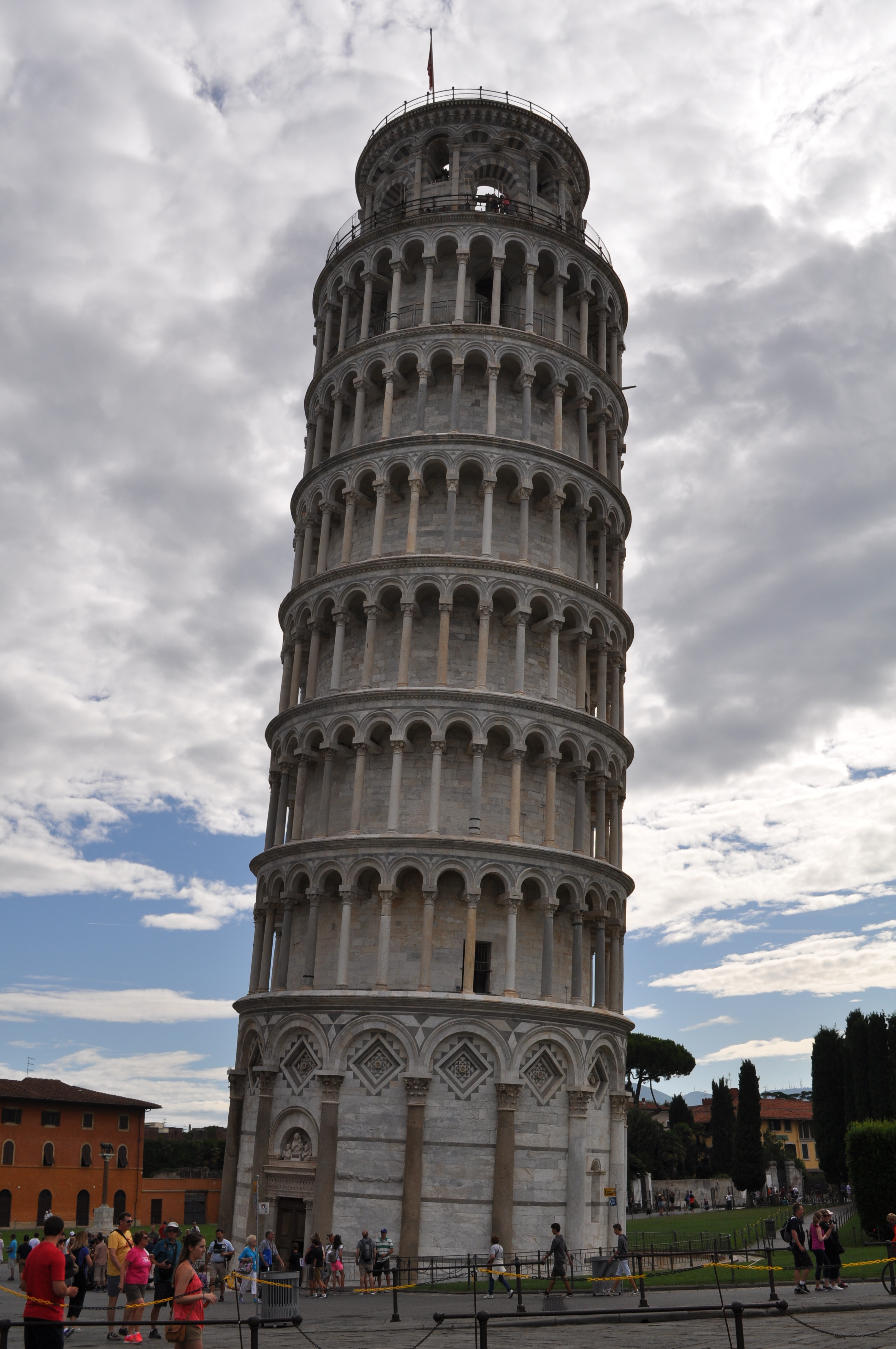
To reach the leaning tower, we crossed the Arno – perhaps the most important river in the world of crosswords, if you’re an aficionado – and wound through picturesque lanes before entering the old city walls and parking illegally (a recurring event in this land where traffic violations are cultural imperatives). The first, sudden sight of the tower is breathtaking. Even on an overcast day the tower gleams – it was cleaned a few years ago – and its list is remarkably pronounced.
Advance reservations to climb the tower are a must. The tickets specify an entrance time that our guide, Laura, said is strictly enforced; she then charmed the guard into letting us in even though we arrived ten minutes past the appointed hour.
The ascent is in two stages. The first 217 steps comprise a wide spiral opening onto a restricted viewing area. From there, the final 36 steps are narrower and more steeply sloped. All the steps are worn concave, sometimes to the point of awkwardness. Still, it’s an easily manageable climb.

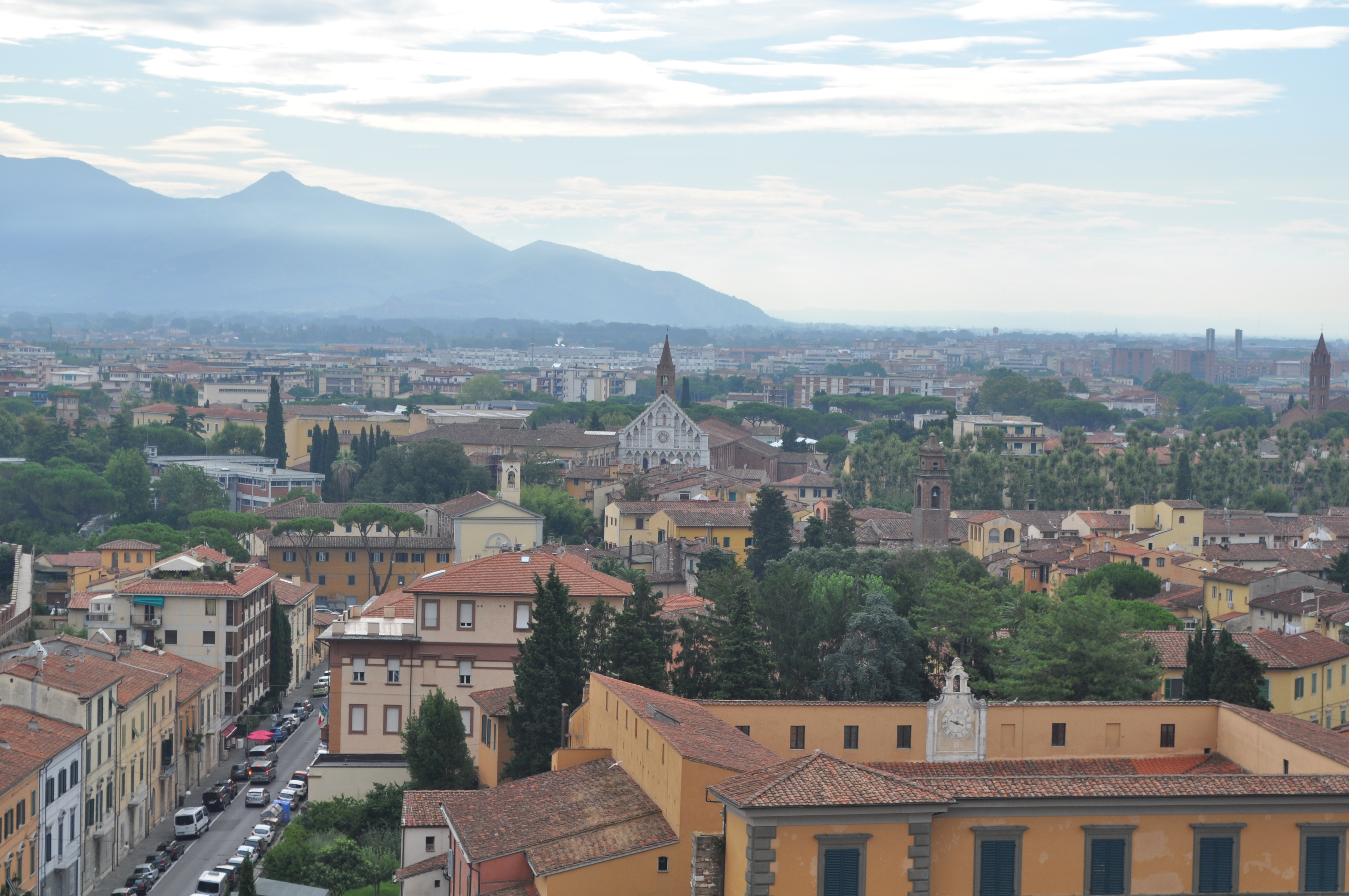
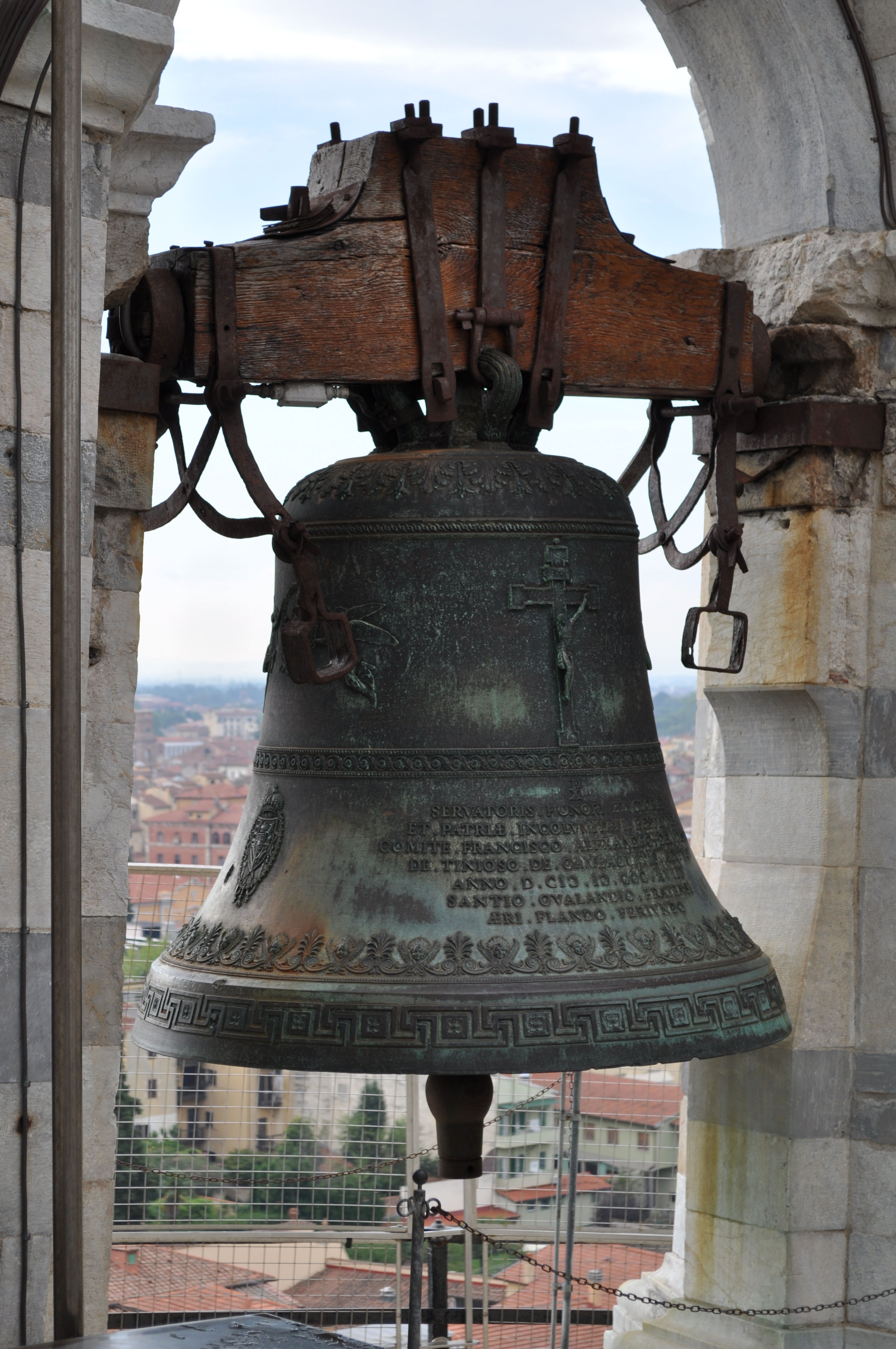
At the top, a fenced platform girds the tower and offers panoramic vistas of the adjacent cathedral and baptistry, the town of Pisa (rows of three-to-four story 17th century buildings, many of them painted a muted yellow-orange), and the outlying countryside. Inside the tower’s belfry are six massive, theoretically photogenic bells. I say theoretically because people on the viewing platform often stand, unwittingly, so that it appears as if their legs are protruding from the bells. Care and a quick shutter finger are essential.
Florence lies roughly 75 minutes from Pisa via a four-lane highway. After bisecting flat farms filled with wheat, corn, and sunflowers, the road winds through lush rolling hills, and for one mercifully brief stretch passes some pungent tanneries. Mountains run roughly parallel to the north.
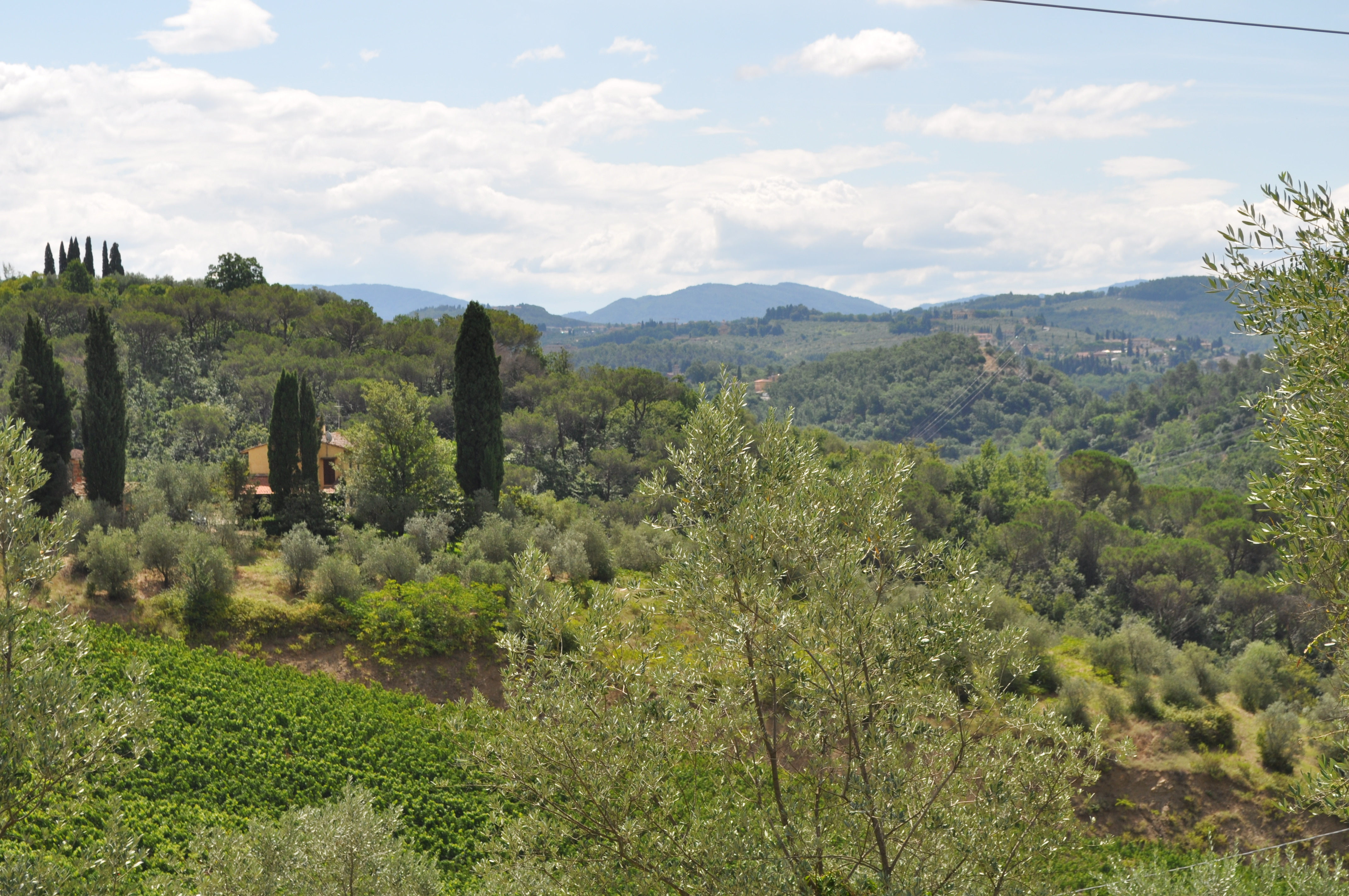
Instead of heading directly into Florence, Laura took us on a detour through part of the Chianti region. We passed through a small village (San Vincente de Torre, I think) that could grace any postcard of Tuscany. Villas dot the hills, their cypresses lining their driveways like sentinels. On each side, olive groves, fruit trees, and vineyards stretch into the distance. (The olive trees are graceful, with thin, willow-like, silvery-green leaves.) What an enchanting setting.
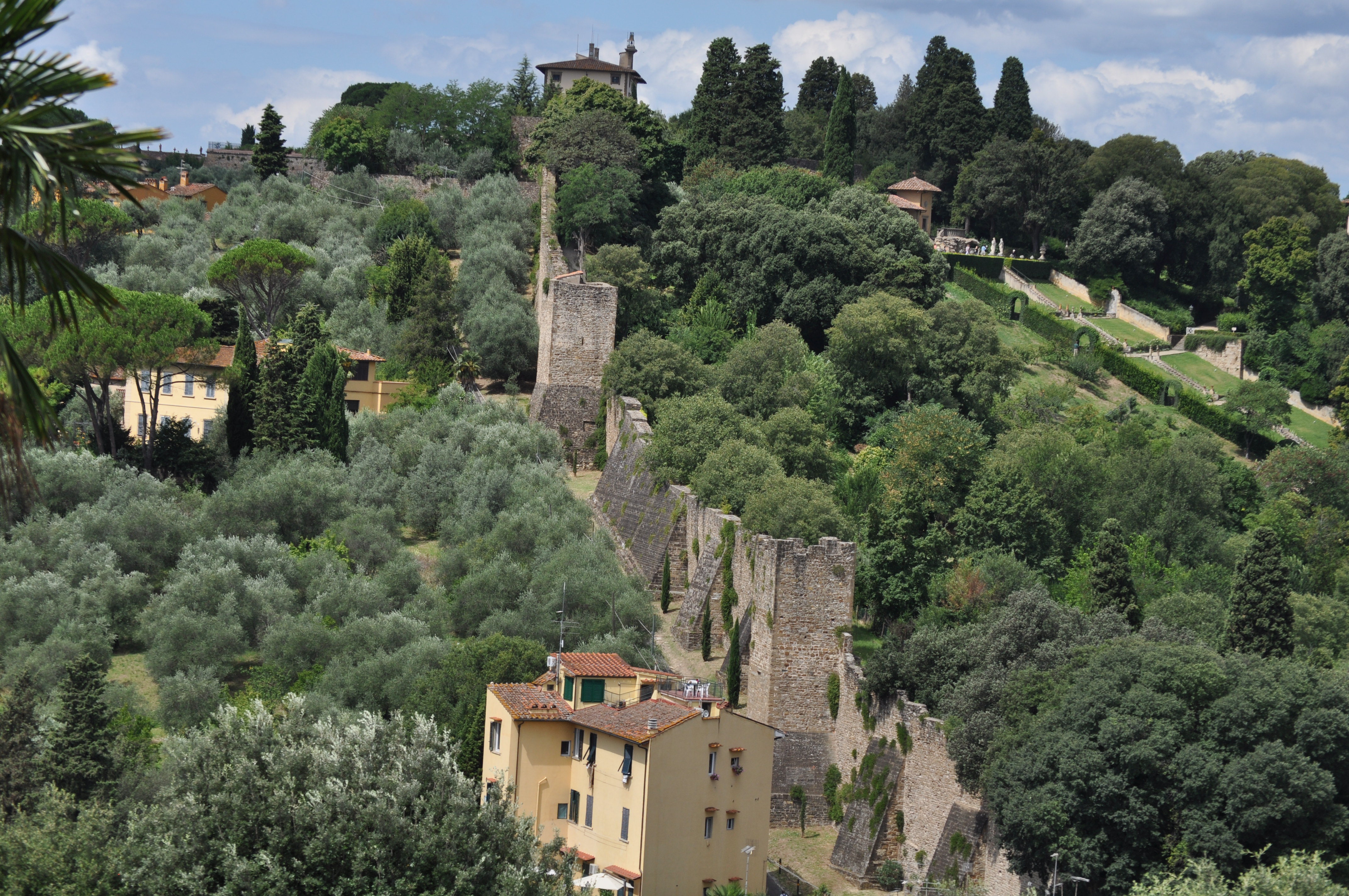
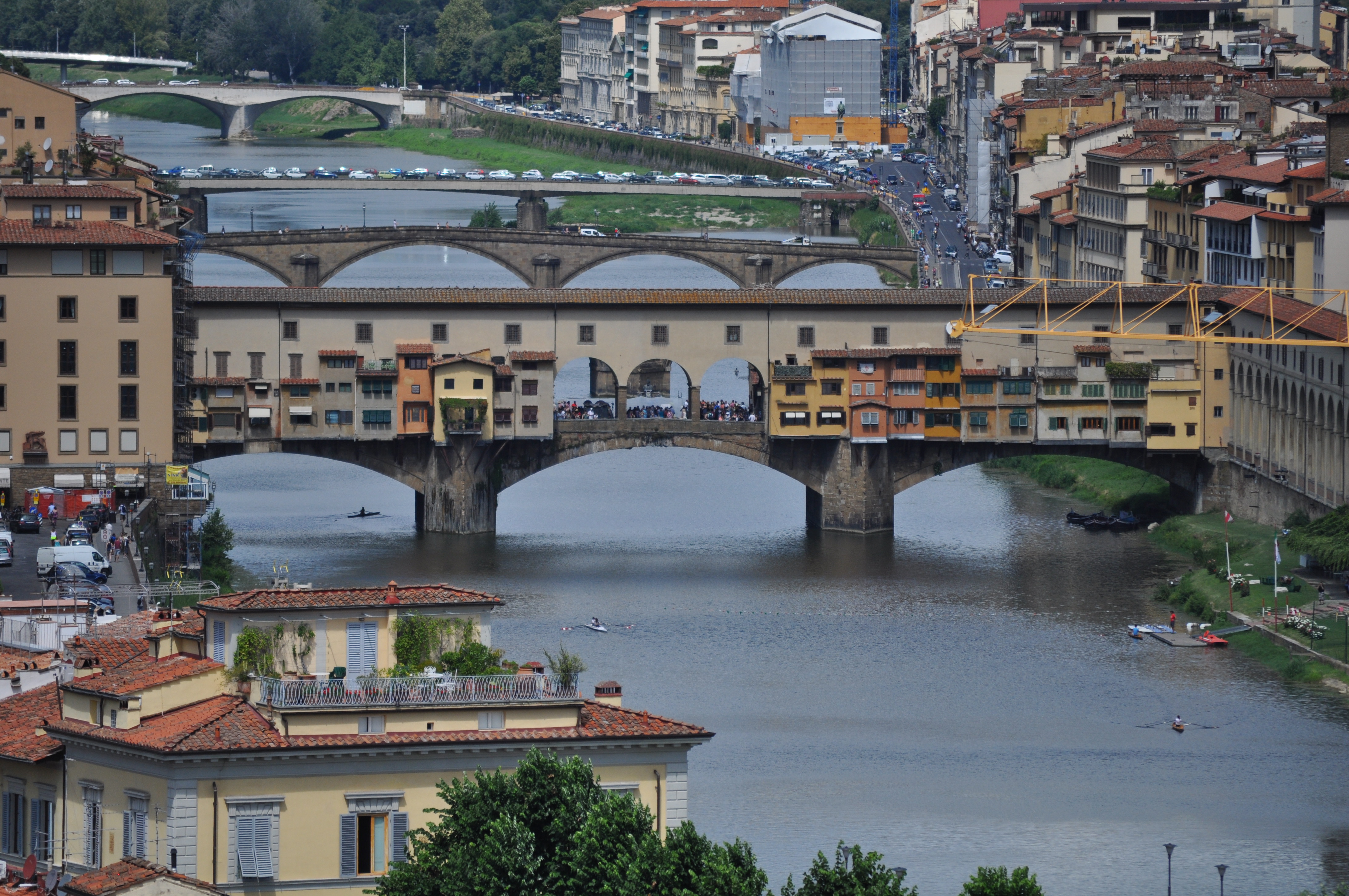
We approached Florence through an exclusive residential area, stopping at a park with an arresting view of the city’s best-known landmarks. After a photo break, we twisted down alleys clogged with oblivious pedestrians and maniacal scooters before darting into a parking space (illegal) a block from our first stop, the Accademia.
The Accademia’s claim to fame is Michelangelo’s statue of David. We had purchased tickets a month ahead of time, only to find ourselves on an unbudging line comprised of hundreds of other similarly well-prepared people. (The line for same-day ticket purchasers was an estimated four hours long.) Laura once again charmed and cajoled, and we got into the museum in less than half an hour.

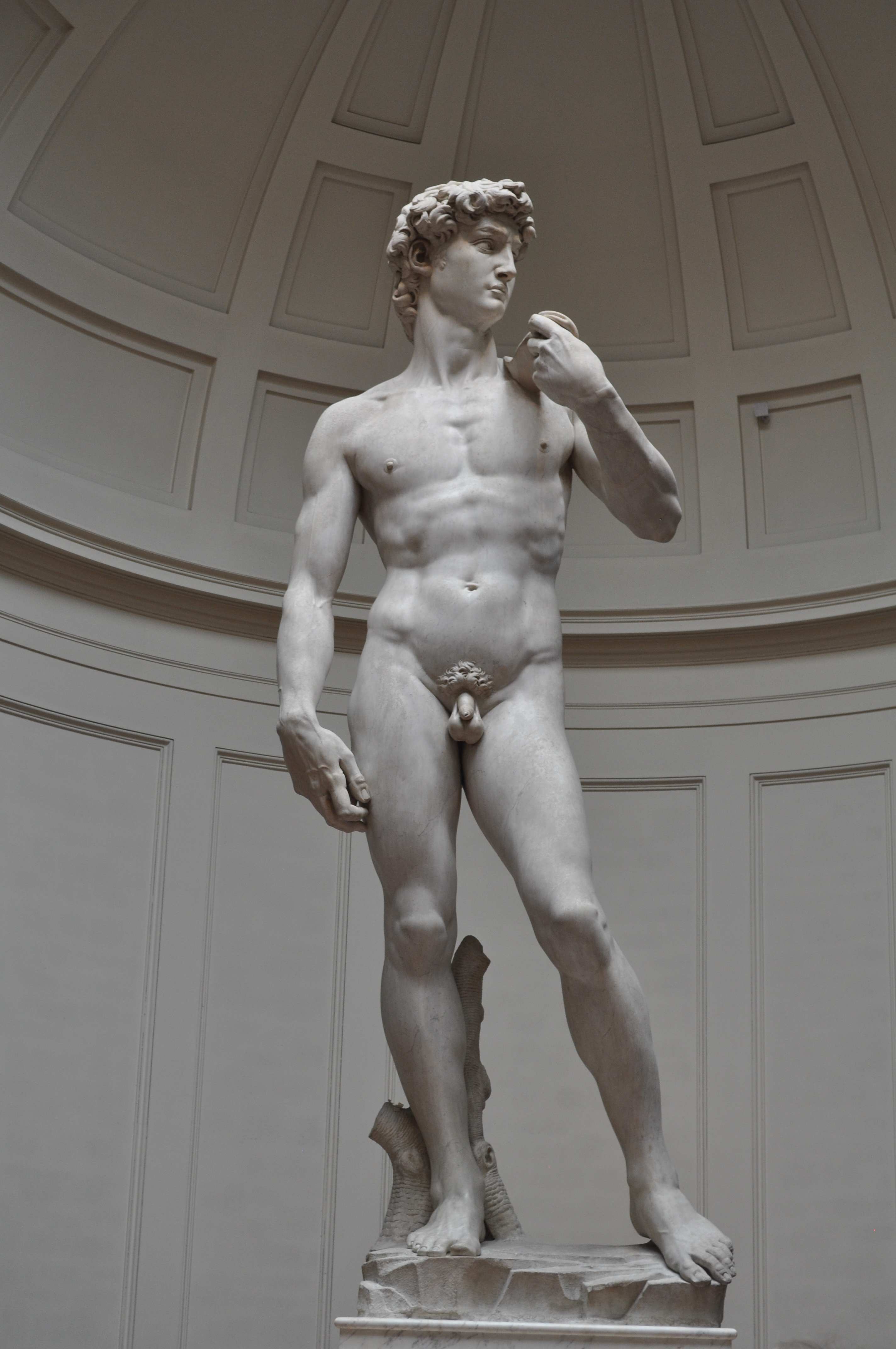
Because of the museum’s limited entry policy, there isn’t a crowd surrounding the statue of David, which is indeed magnificent. The Accademia has many other pieces by Michelangelo as well as other terrific exhibitions, but we had limited time and had to move on.
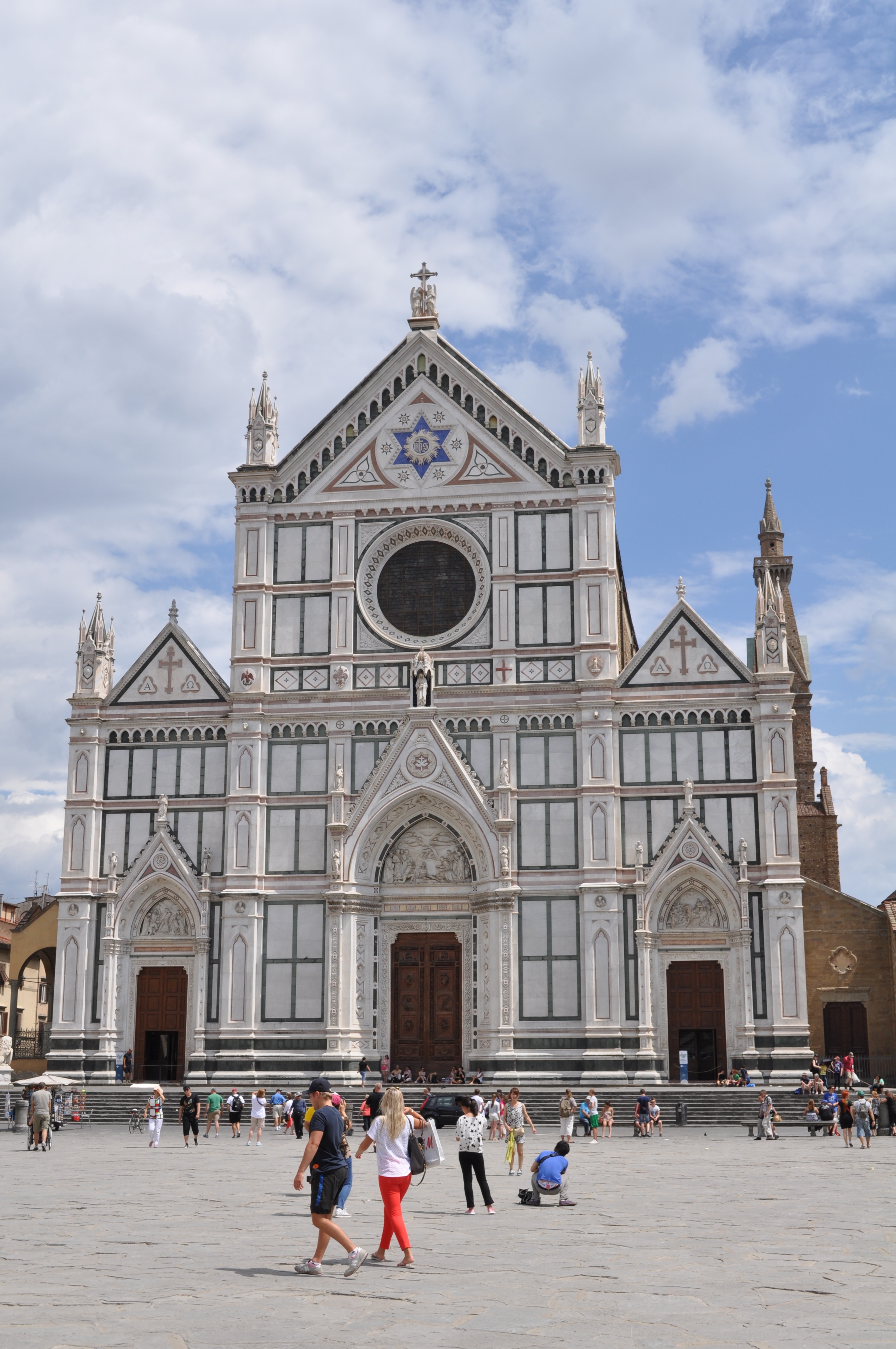
We ate lunch at Restaurant Boccadama, which sits on Piazza Santa Croce steps from the magnificent Chiesa Santa Croce (Chiesa being Italian for church). Our meal was outstanding. On the indispensible Laura’s recommendation, we enjoyed a fantastic appetizer of Pecorino cheese, pears, apples, walnuts, and honey. I had the best pasta I’ve ever eaten, al dente spaghetti with chunks of tuna, diced tomatoes and minced black olives. My son said the same about his spaghetti carbonara and my brother-in-law agreed with respect to his lasagna. Laura informed the manager that two of us were celebrating birthdays, and he gave us complimentary Prosecco before our meal and delicious limoncello afterward.
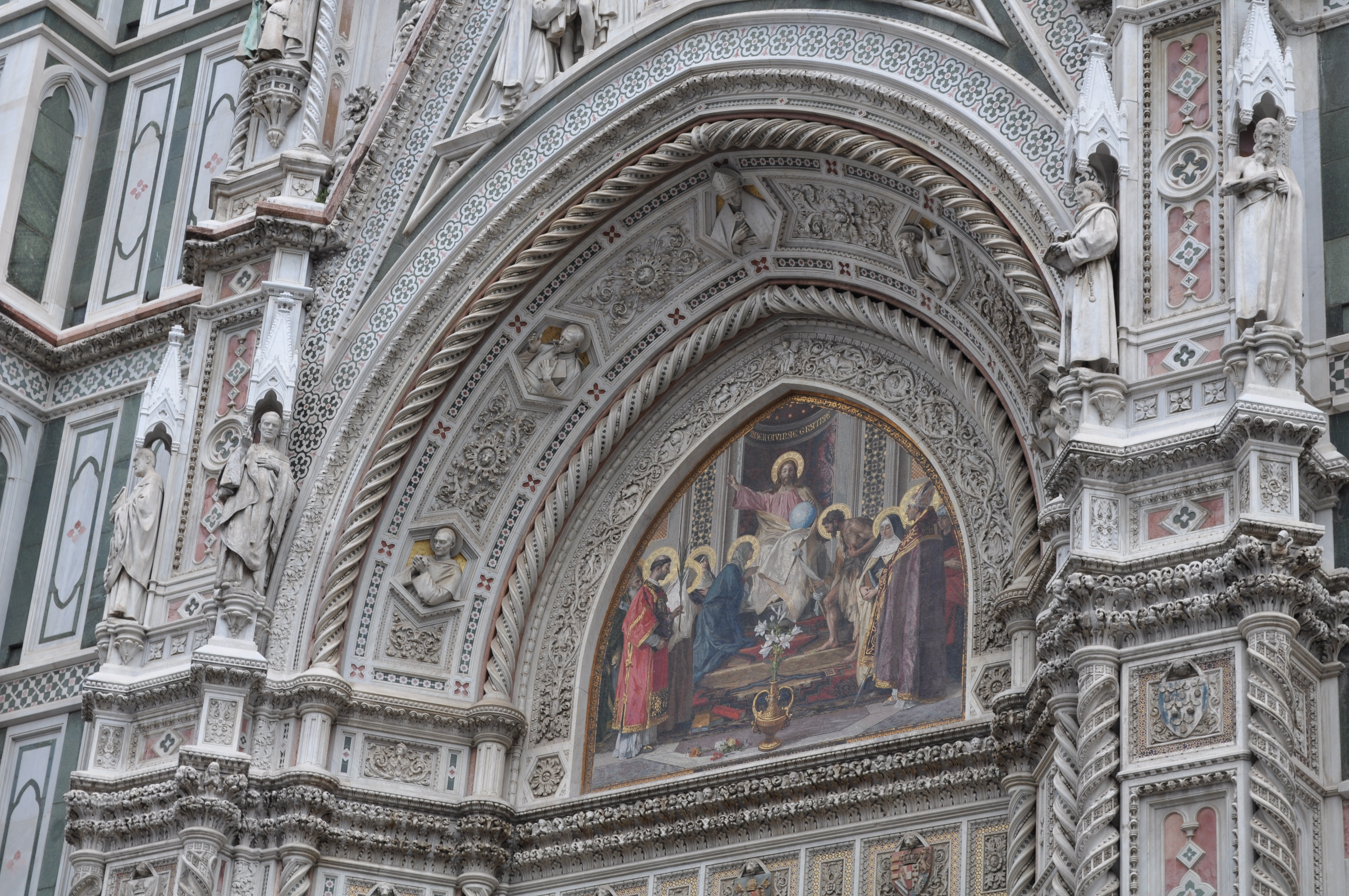
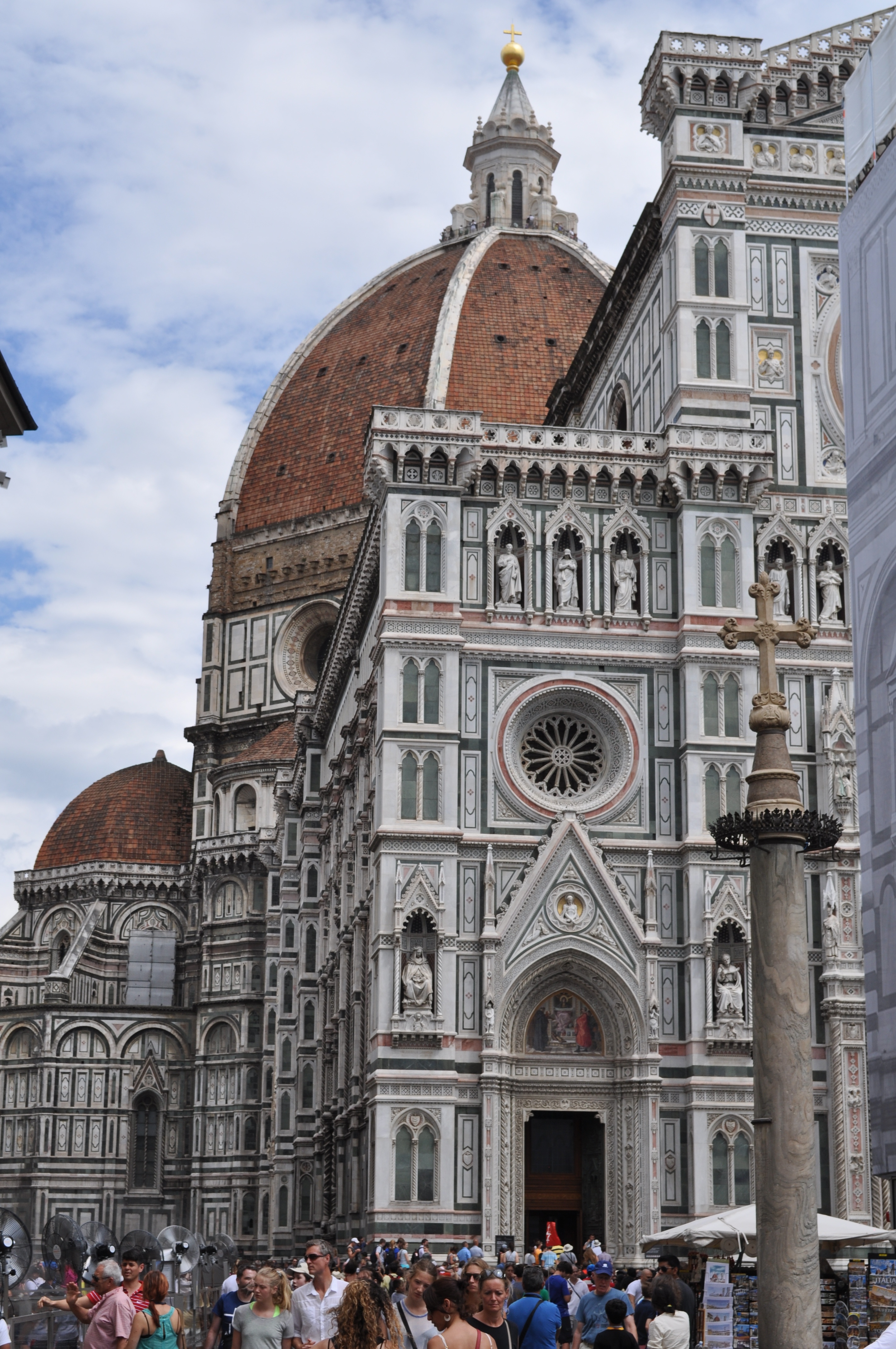
Following lunch, we walked past the phenomenally beautiful Duomo. Unfortunately, the neighboring Baptistry was swathed in canvas and surrounded by scaffolding. Florence has eye-catching churches on almost every block, but the Duomo is the undoubted king. To cap off our day, we stopped for delicious gelato at La Carraca (on Iungarno Soderini at the corner of the Ponte alla Carrara), where double scoops for eight people came to only 17 euros – perhaps half what we would have paid in the Old Town.
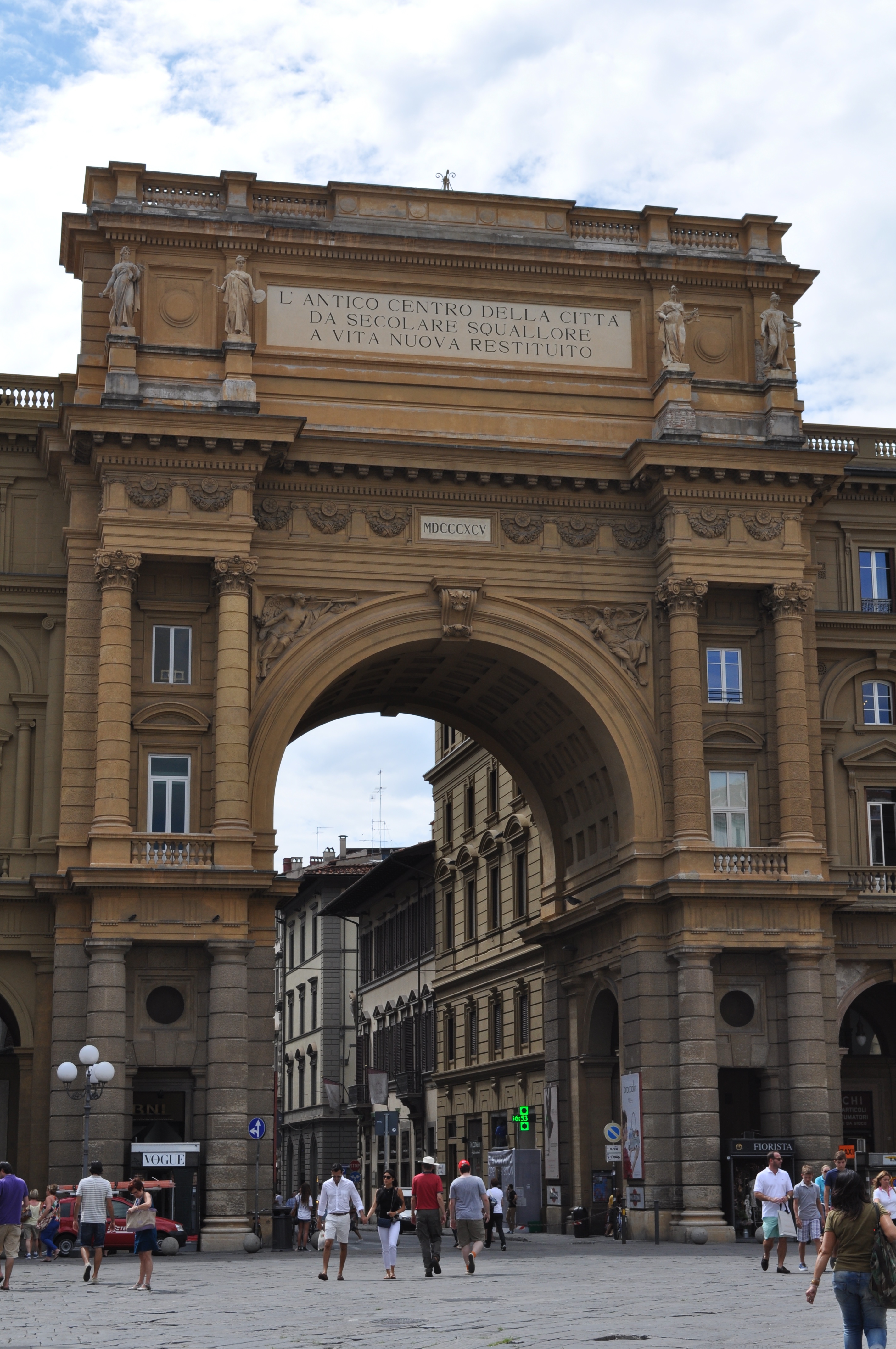
Of all our stops, beautiful, cultured Florence is the one I most want to revisit. Maybe next time we’ll rent a Tuscan villa and eat, sip and sightsee our way through a week or two.

 PuffinlessTravel