Cruise ships make a lot of money on port tours, contracting with local operators to show large groups (several busloads of 40 people each) the local sights. The tour guides are always competent and sometimes excellent, and if the tour is late returning the ship will delay its departure. These tours are expensive, however, and their size precludes flexibility and individual attention.
Thanks to my sister’s diligent research, we skipped the ship’s tours in Naples, Rome and Florence and instead booked private excursions with a company called RomeinLimo. For significantly less money than Princess would have charged, RomeinLimo provided expert, friendly, entertaining guides and Mercedes vans in all three ports. (I’ve given the company a five-star review on TripAdvisor and recommend them to anyone looking for a private alternative.)

After greeting us at the bottom of the gangway in Naples, our tour guide (Enrico) took us to Pompeii and the Amalfi coast. It was a jam-packed, occasionally vertigo-inducing, wonderful day.
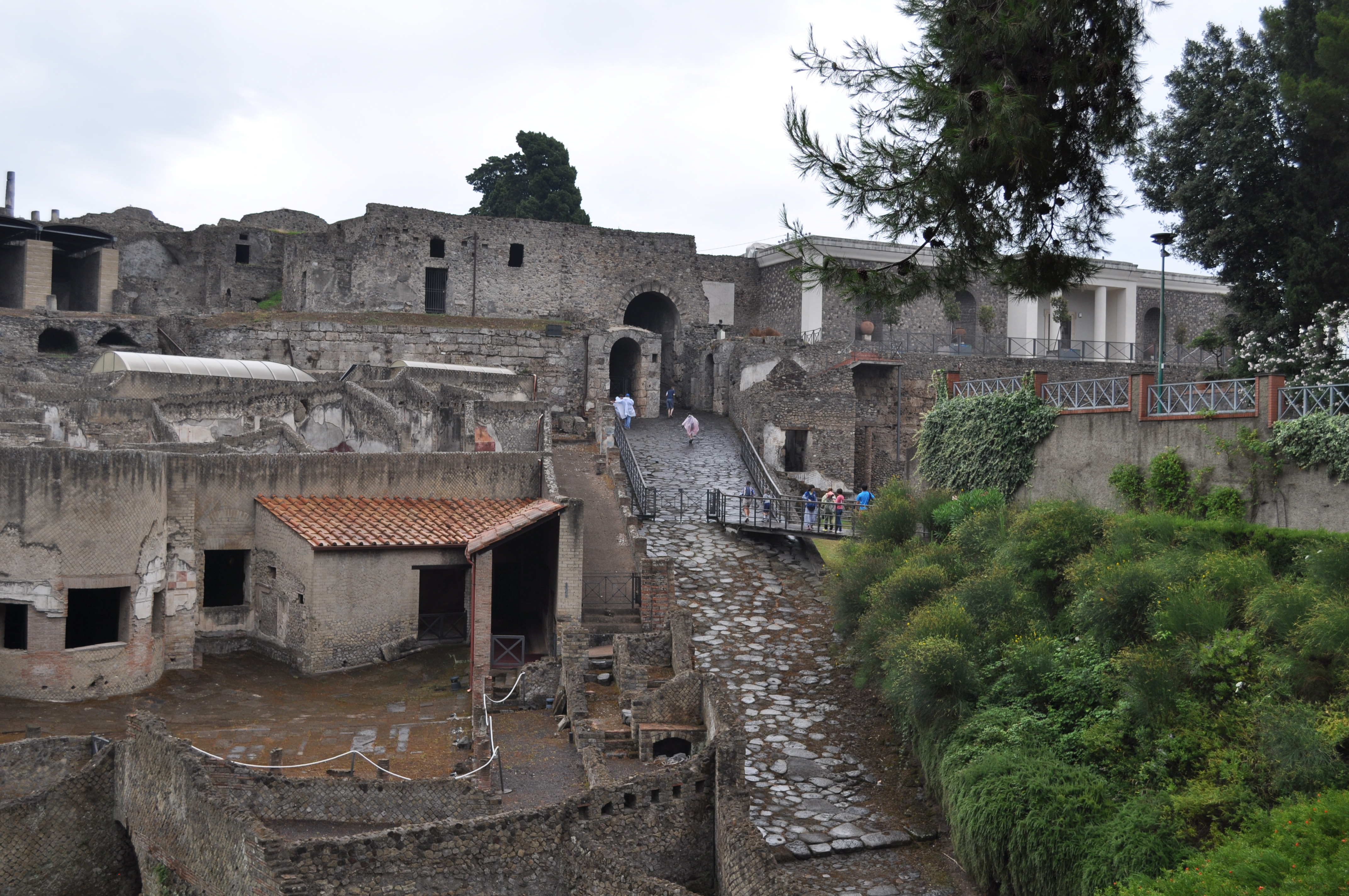
Pompeii is astounding. The settlement there was contemporaneous with Ephesus but it’s far better preserved, having been buried under thirty feet of rock and ash. Our guide in Pompeii, Paola, said that a mile of mountain rained down on the surrounding area: Vesuvius was 9000 feet pre-eruption and only 4000 feet afterward.
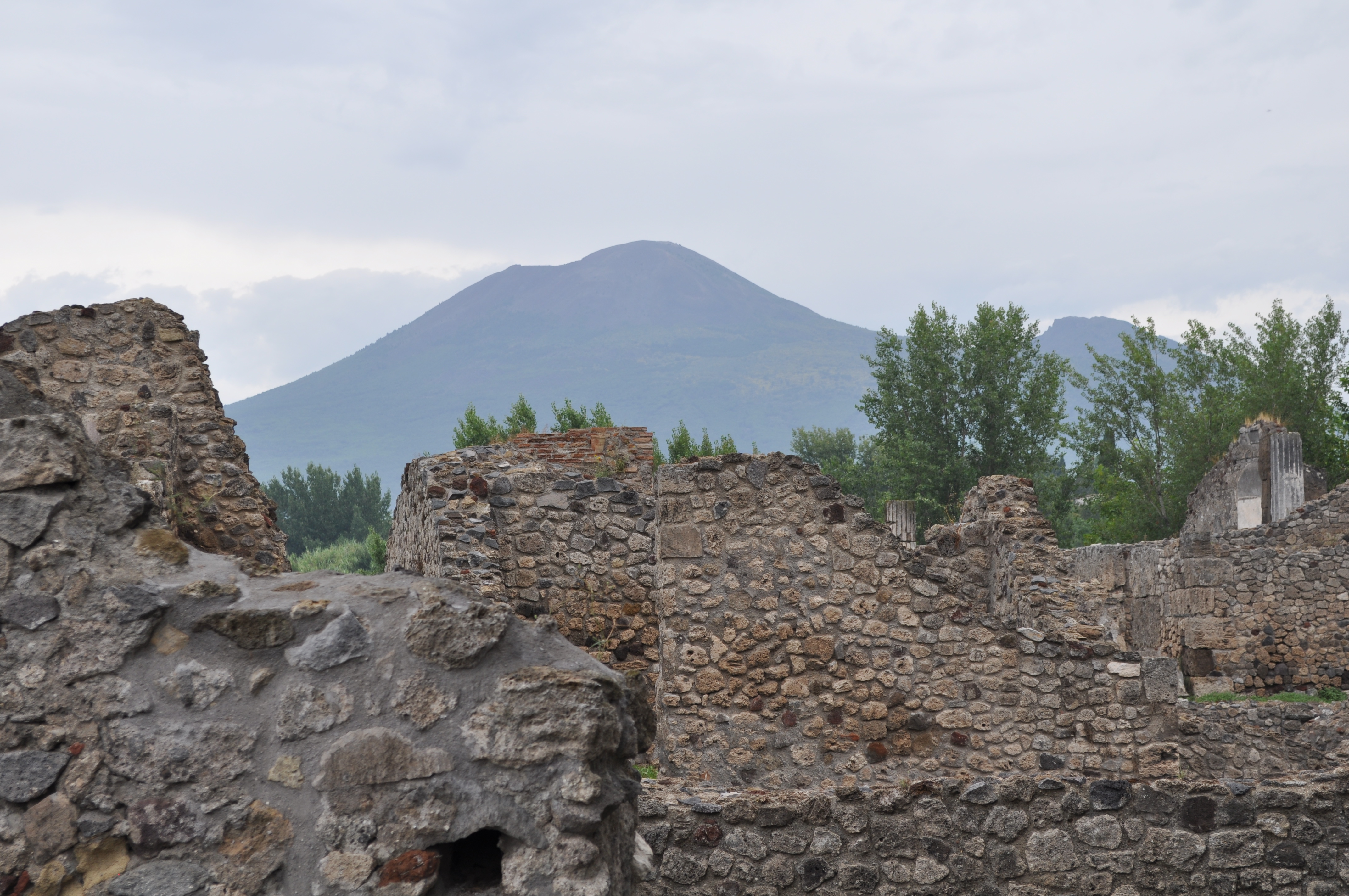
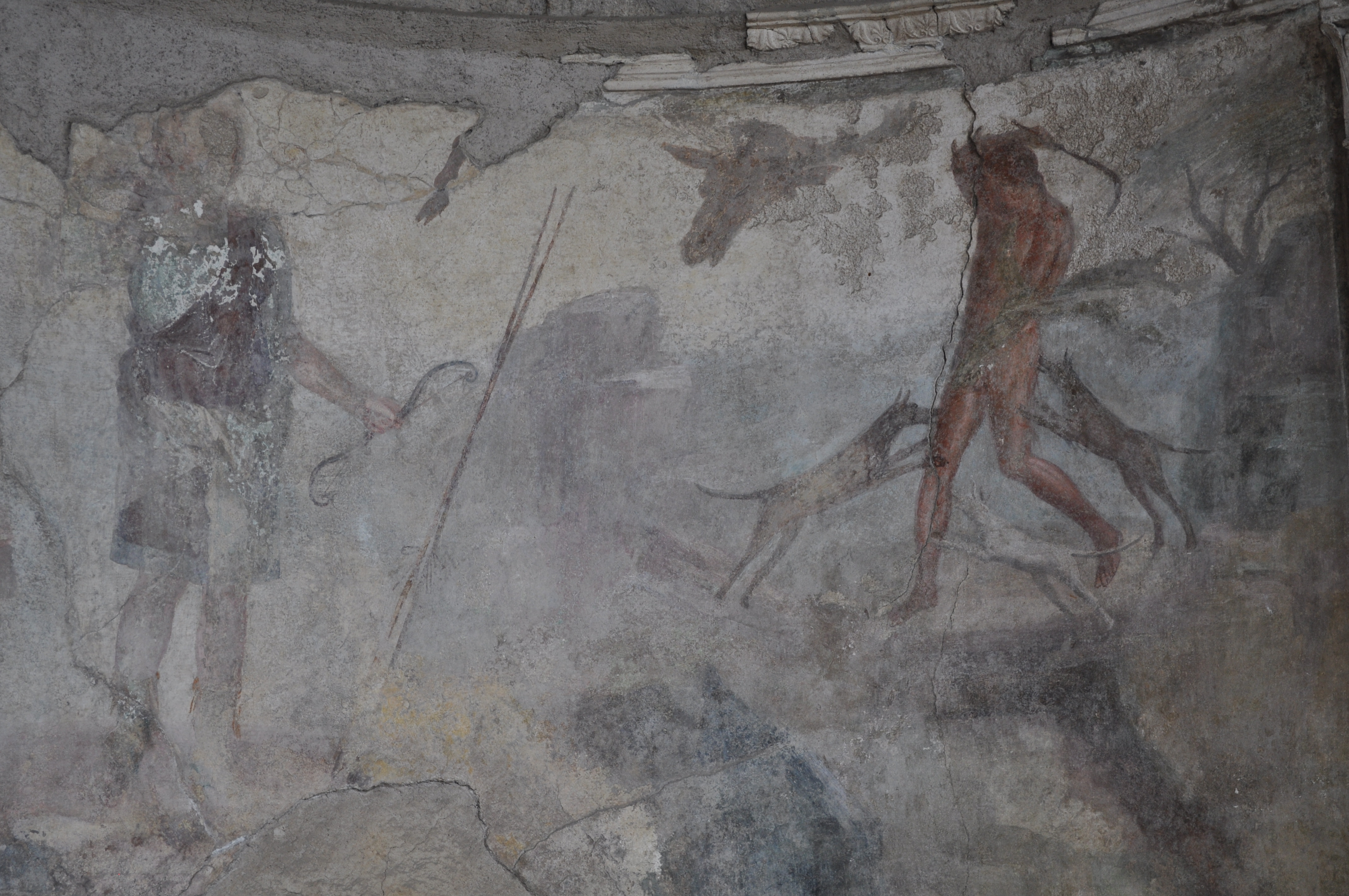
The result is a three-dimensional still life of a Roman town, complete with government offices, temples, villas, theaters, public baths, “snack bars,” and brothels. As in Ephesus, visitors to Pompeii experience history from the perspective of a citizen of the Empire. Among the highlights: the spectacular amphitheater (capacity 25,000), the beautifully restored villa of a wealthy citizen (complete with marvelous frescoes), the spacious public baths, and the views of a currently peaceful Vesuvius presiding over the countryside.
Following Pompeii, we endured a slithering, undulating drive along the Amalfi coast. The two-lane road makes an endless series of tortuous climbs and hairpin turns, around which scooters, tourist buses, and mini-cars play chicken. I can’t believe anyone in Italy can get car insurance – particularly the maniacal scooter drivers (reminiscent of the pod racers in Star Wars).
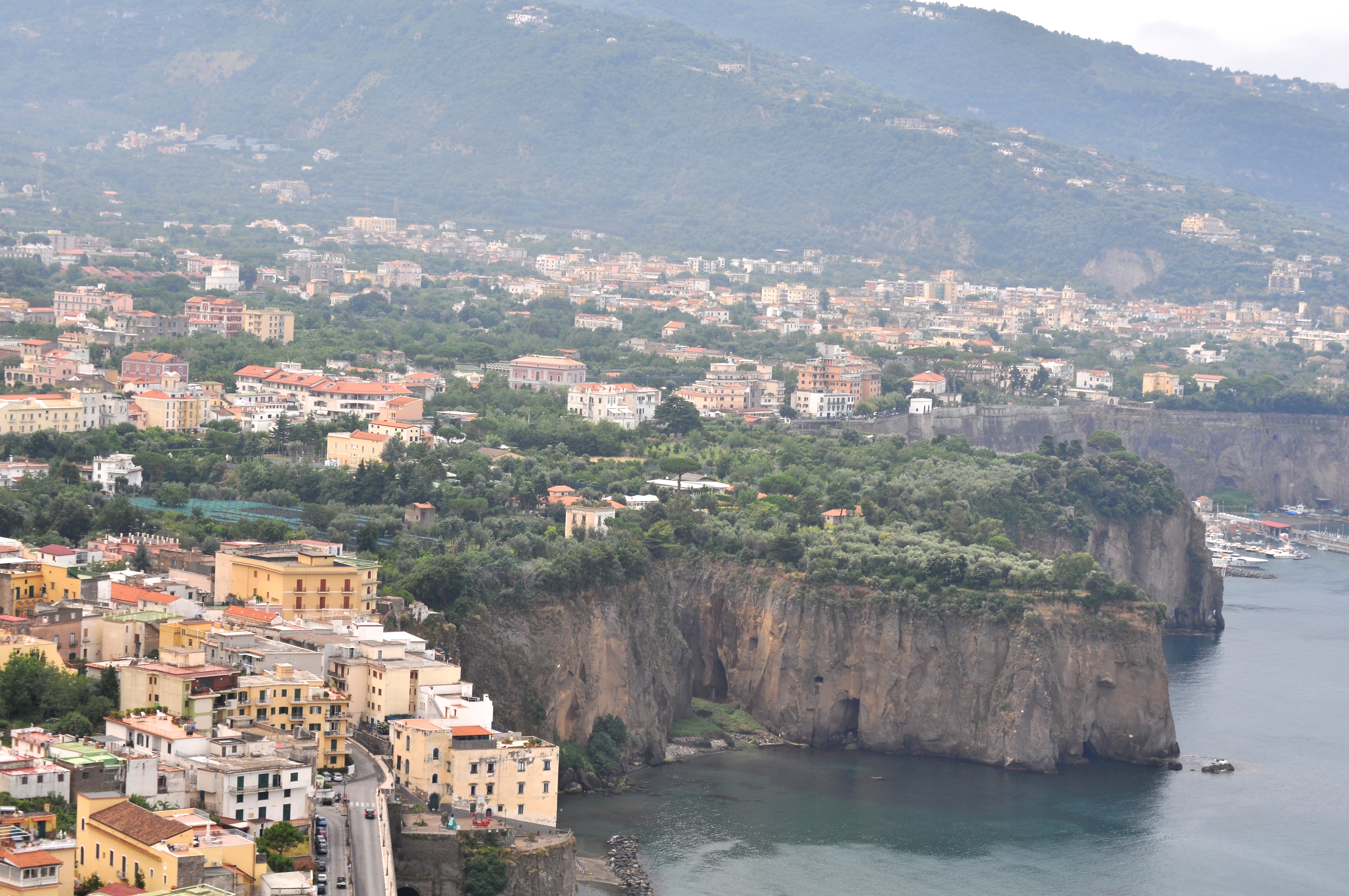
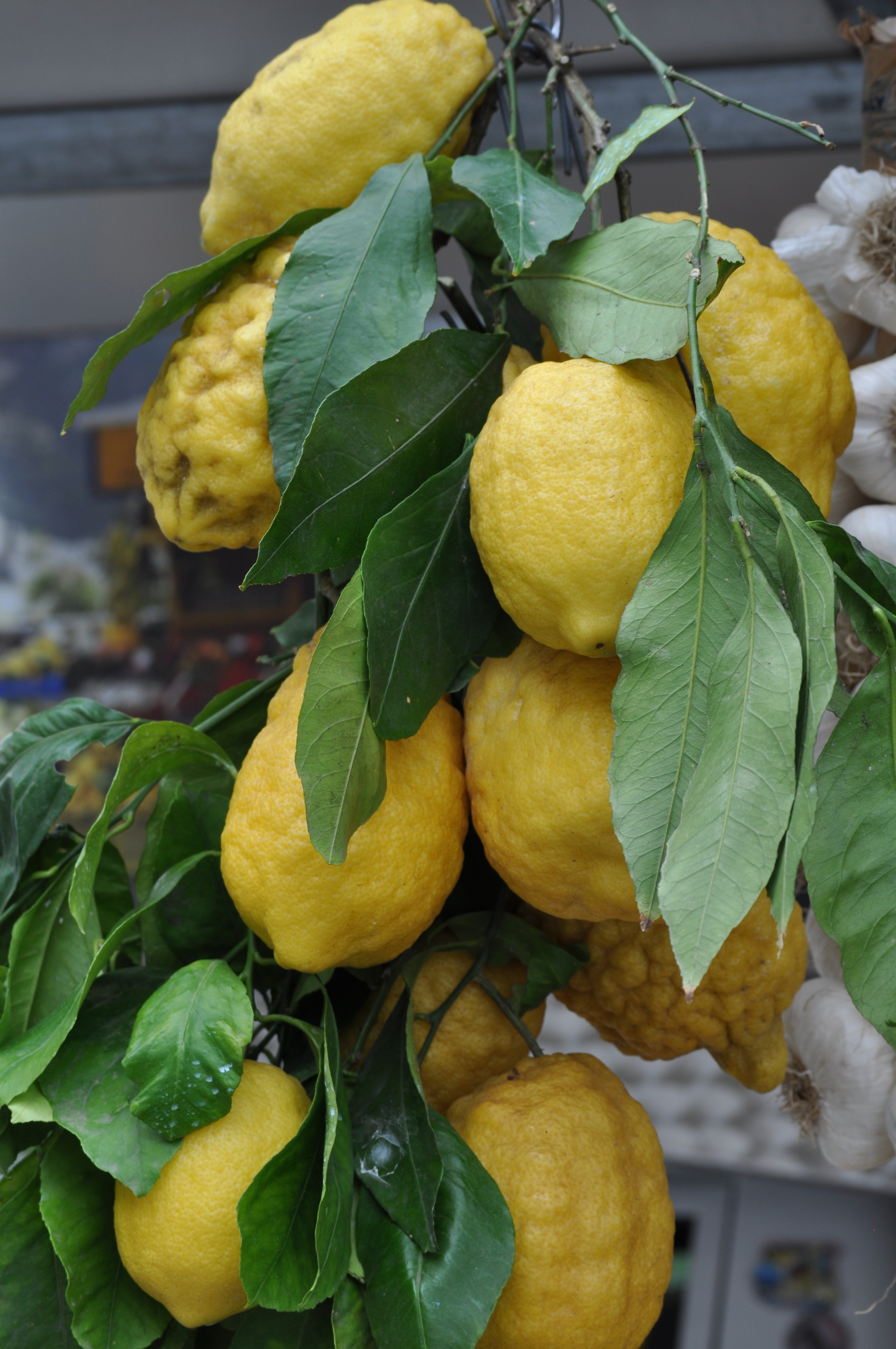
On the way to Positano, we stopped twice: first to take pictures at an overlook offering beautiful views of Sorrento and the Bay of Naples, and second at a produce stand featuring peppers, garlic, and enormous Amalfi lemons, which are perhaps three times larger than their American cousins.

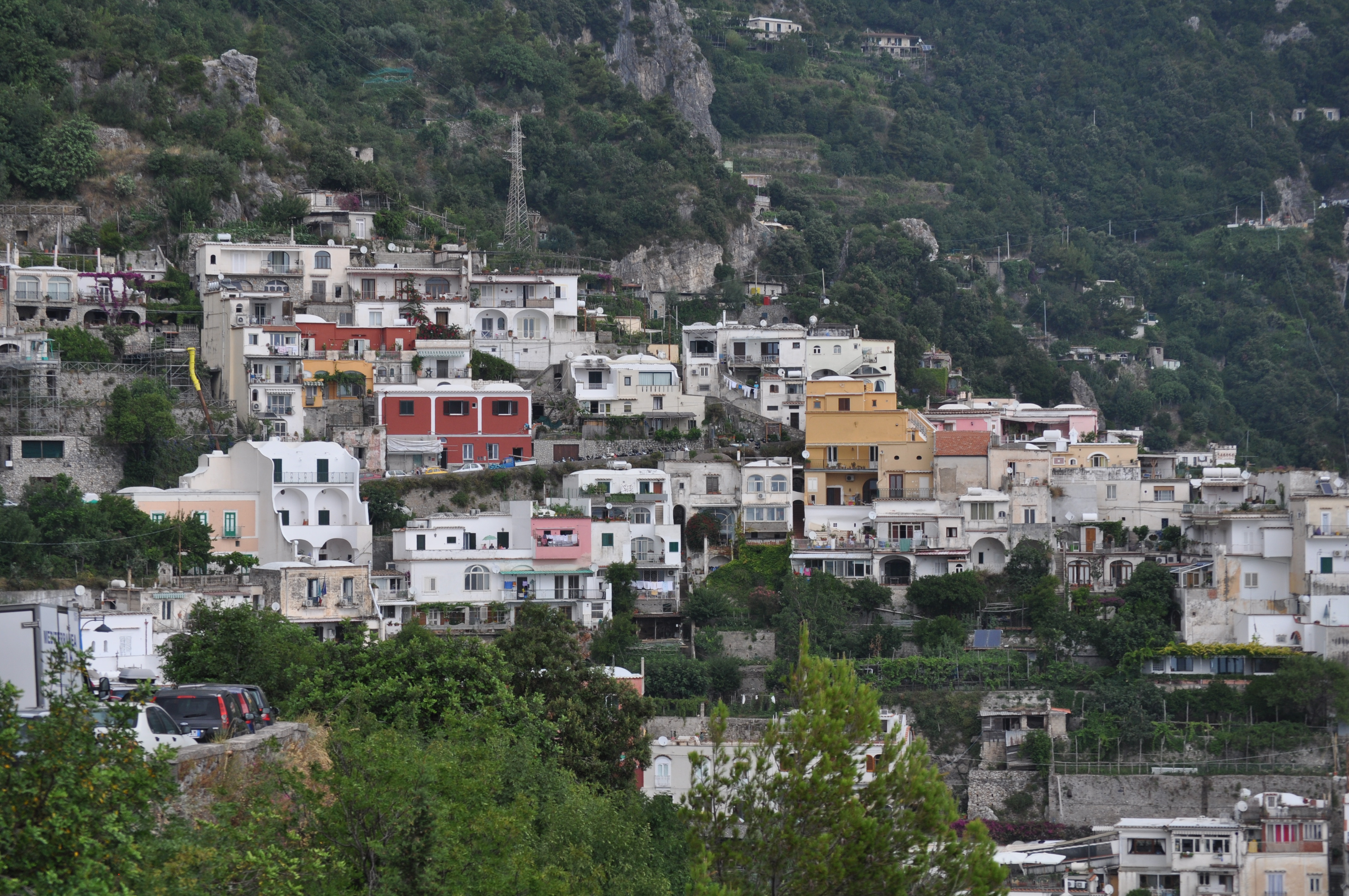
Positano is a nearly vertical village clinging to a mountainside that plunges to the water in a series of dramatic cliffs. The town is studded with B&Bs and craft shops. Walking from one street to another typically entails climbing sharply pitched stone stairs. The one road that winds through town has no sidewalks; storefronts open directly onto traffic.
For lunch, we had very good pizza and the local red wine at a place called Valle dei Mulini (Via Vecchia 5), located down a steep staircase from the main road. Fortified and refreshed, we backtracked to Sorrento, a larger town 20 minutes back toward Naples.
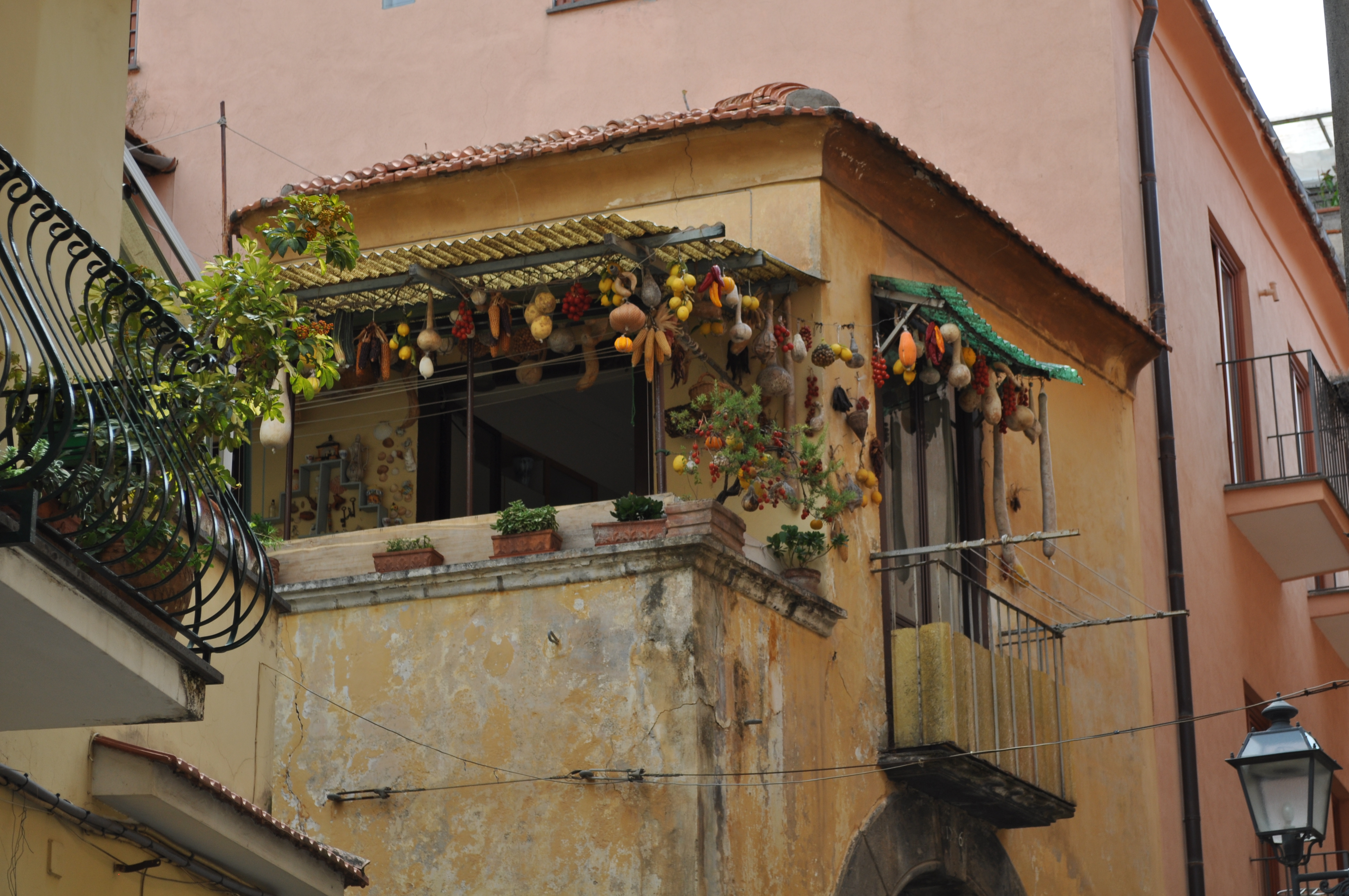
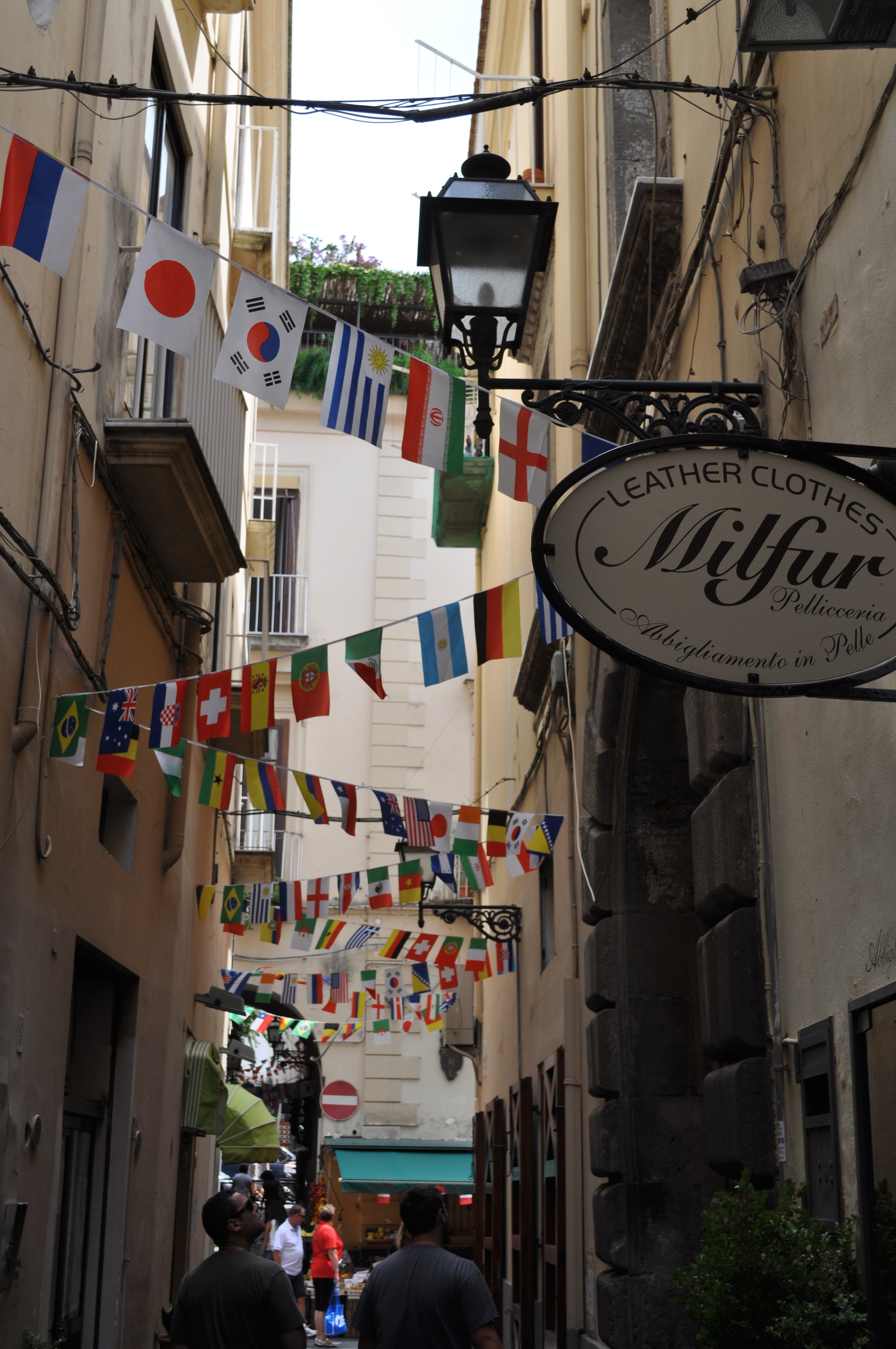
Sorrento understandably draws plenty of tourists as well. It’s picturesque (though not as dramatically so as Positano) and filled with narrow alleys, beautiful churches, and gelato emporia.
Exhausted and resigned to the twisting return trip – made far more tolerable by my brother-in-law’s kind offer to cede the front seat – we got back to Naples some eight hours after setting out for Pompeii. Naples is not a particularly attractive city: there are many run-down areas, and the city has a reputation for “thieves and trash.” We even passed a gypsy encampment in a lot bordering the highway.
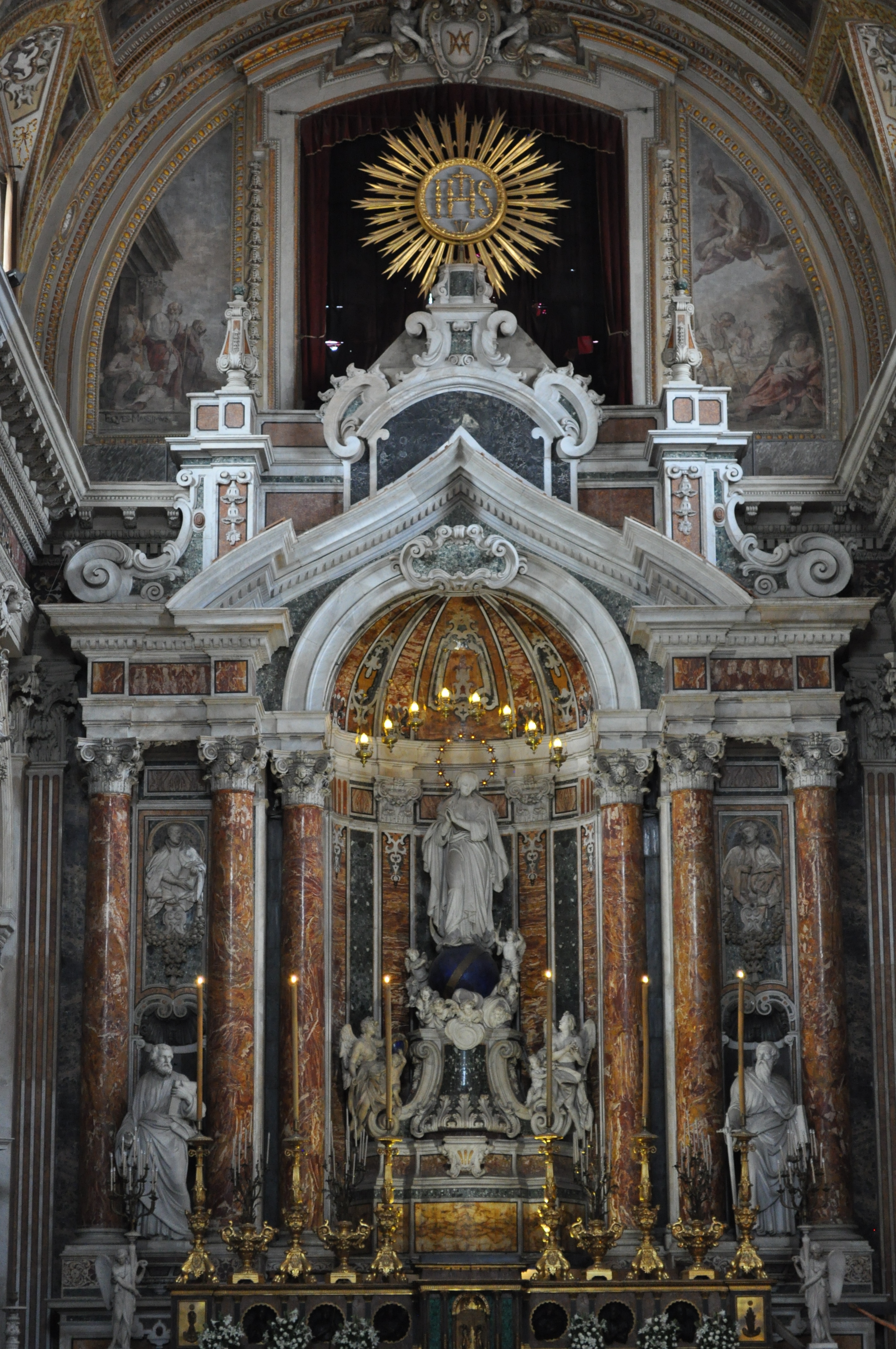
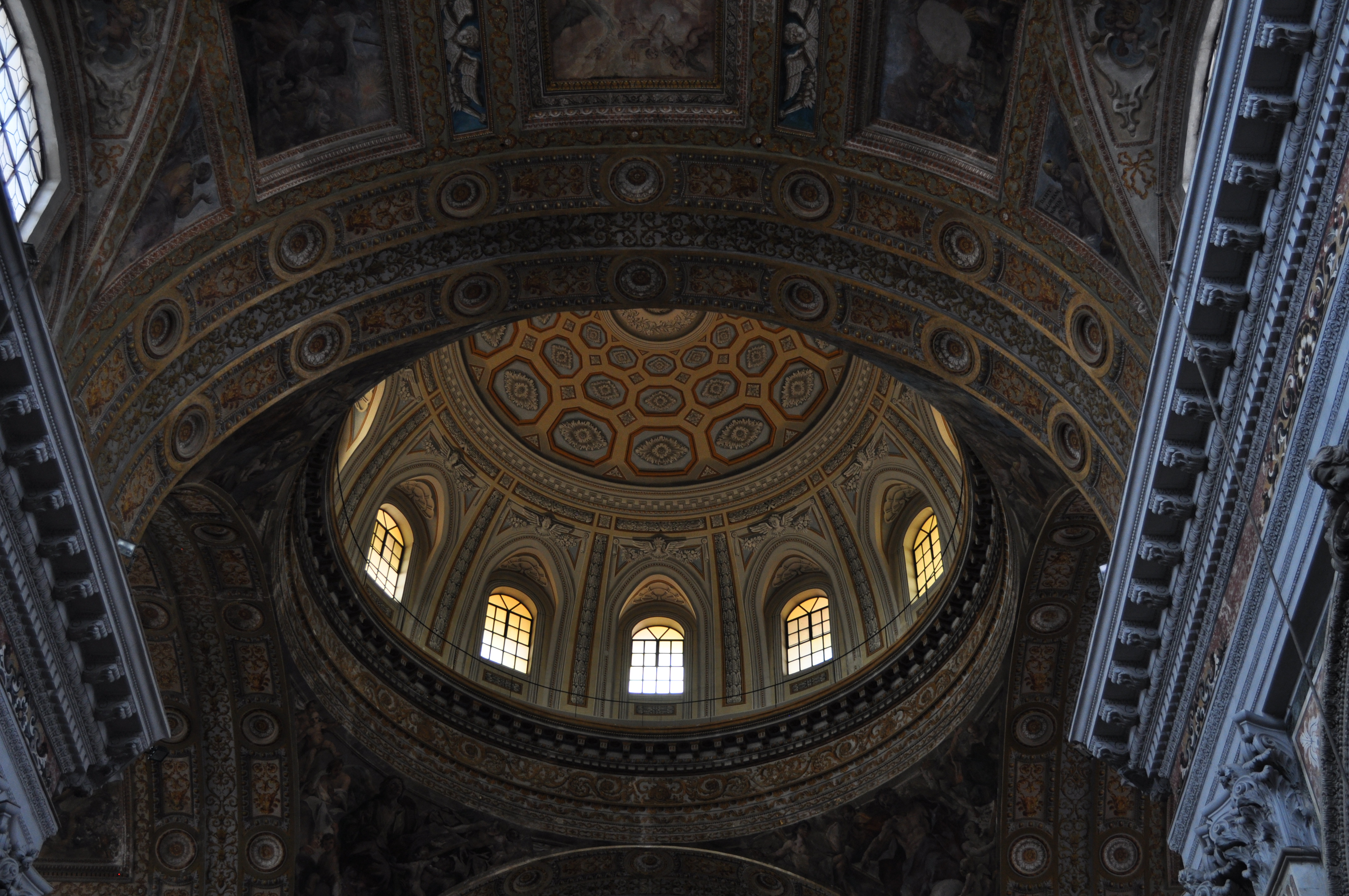
Nonetheless, there are some wonderful sights to see. One that stood out on our whirlwind city tour was the Chiesa del Gesu Nuovo, which embodies the adage about not judging a book by its cover. The church’s plain exterior hides a magnificent interior – the first of many awe-inspiring (their purpose, after all) churches, cathedrals, and basilicas we visited on our cruise. We didn’t have time to stop anywhere else, but my parents raved about the National Archeological Museum.

 PuffinlessTravel
One thought on “Naples: Pompeii and the Amalfi Coast”