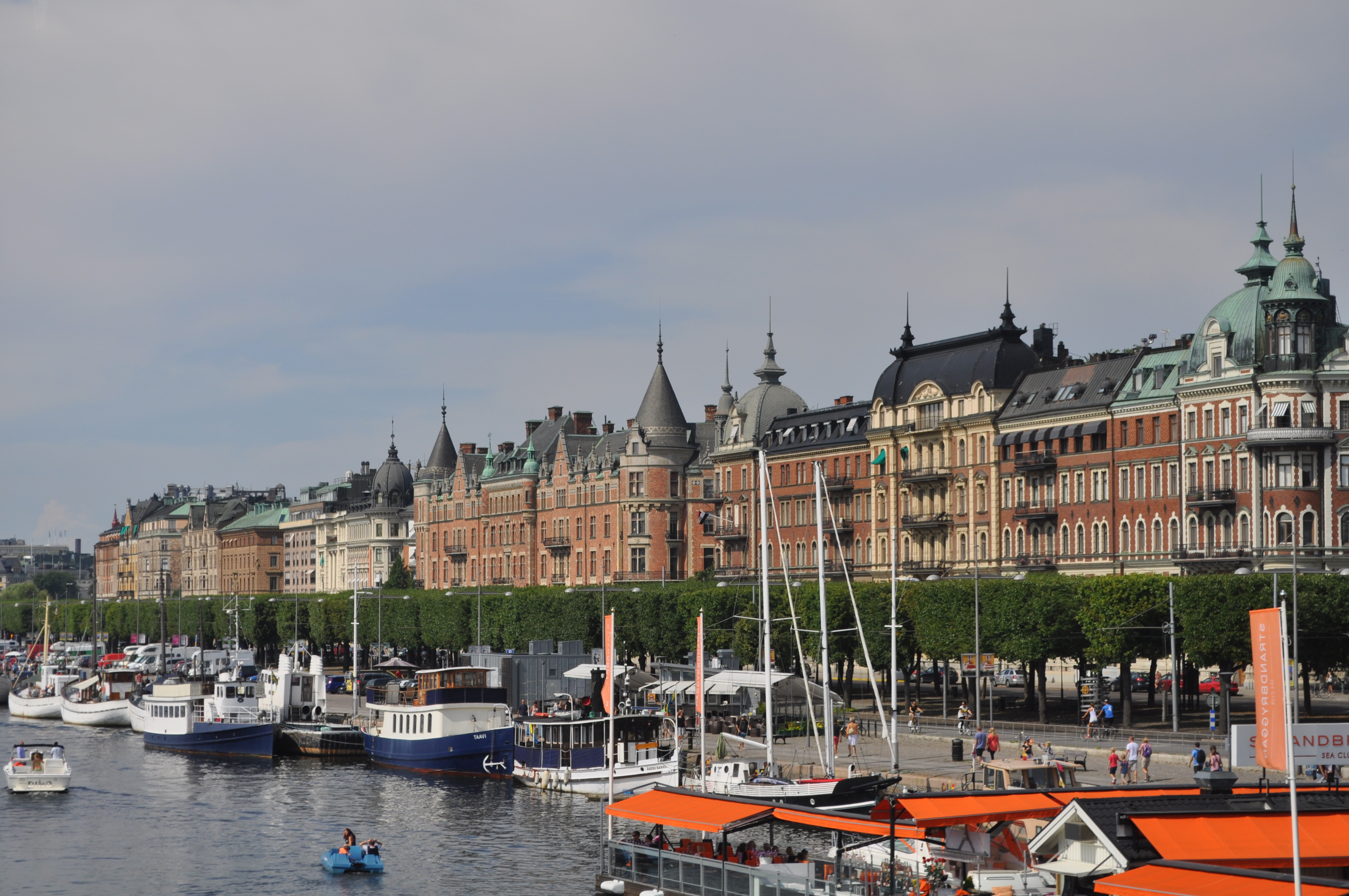
We have been so lucky on this trip. In almost every port, we’ve enjoyed unexpectedly fine weather, and Stockholm was no different. Undoubtedly a welcoming city under any circumstances, Stockholm really shone in the mid-Summer sun. And its charms were burnished by perhaps the best tour guide I’ve ever had: Aviva – maybe five feet tall, easily 65 years old, with a deep, smoky voice, a razor wit (often self-directed, but also liberally turned on Danes, Finns, Russians, and especially Norwegians), and a joyous affection for her home city.
What’s not to love? Stockholm is a vibrant, modern city of islands, bridges, parks and lakes. It’s also suffused with centuries-old history and wistful memories of an era when Sweden dominated the Baltic and beyond.
Our tour began at the Vasa Museum, built to house an early 17th Century warship that sank less than a mile into its maiden voyage. The wreck was located and raised more than 50 years ago and eventually given pride of place in this namesake museum. A brief, interesting film depicts the ship’s recovery and restoration, and displays showcase artifacts from the ship in the broader context of late medieval Swedish life. It’s well worth a trip and directly across from the Nordic Museum, an intriguing building that we did not have time to explore.
After passing the new Abba museum (apparently quite a draw) and Stockholm’s version of the Tivoli amusement park, we ended up in Gamla Stan – Old Town Stockholm. While it dates from roughly the same period as Tallinn’s Old Town, Gamla Stan has a different feel: with its warren of narrow, shop-lined alleys, it’s easy to envision the teeming commercial center of centuries past.
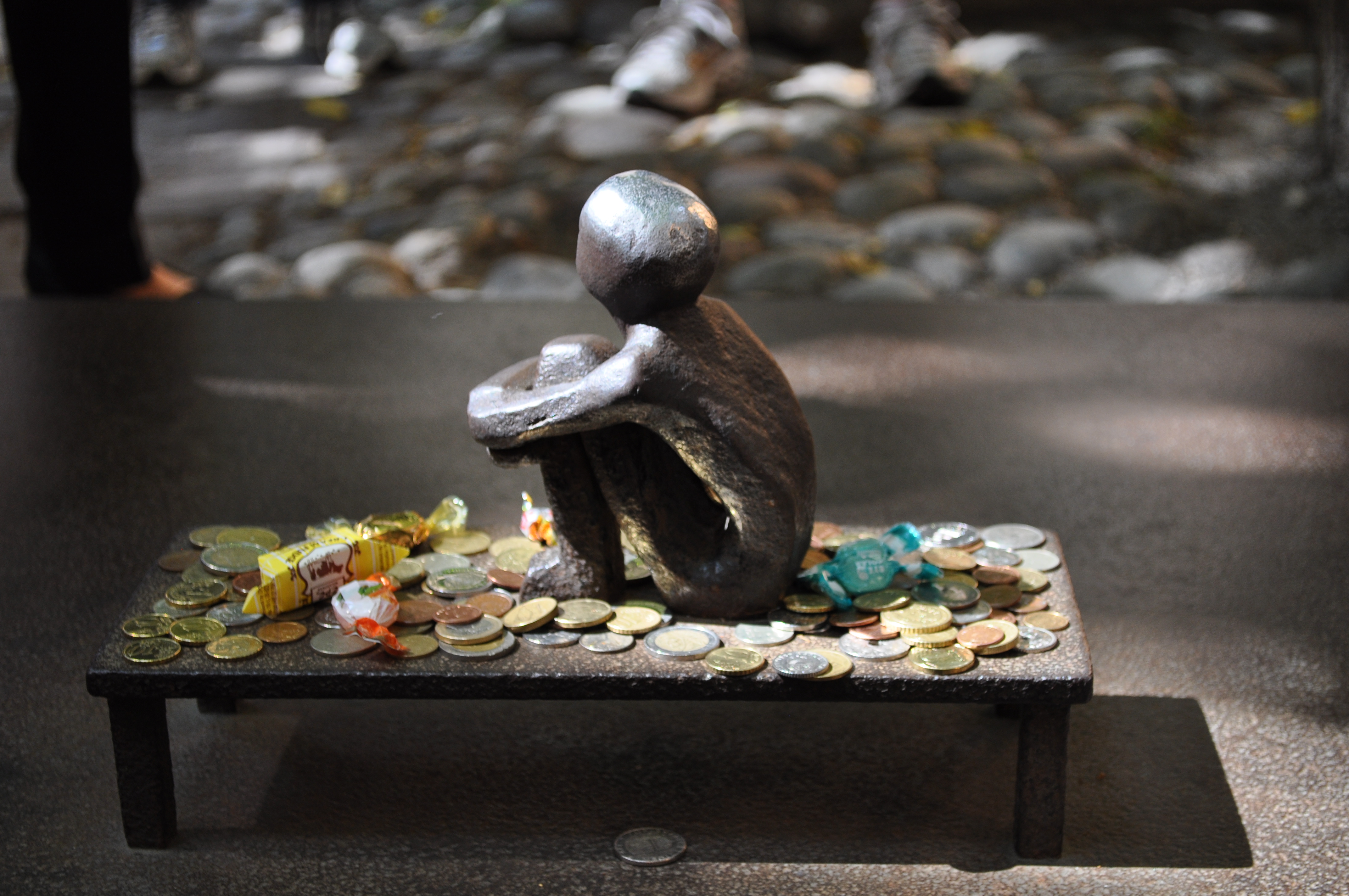
Several prominent buildings are next door, including the Swedish Academy (where the Nobel Prize for Literature is awarded), an impressive church (the Storkirkken), and the Royal Palace. The Old Town is filled with cafes, bakeries, and chocolate shops, making it a perfect lunch spot (with typically high Scandinavian prices, including a 25 percent value added tax).
The Royal Palace has a first-floor museum containing the Royal Armoury. It’s small but well worth visiting. The Armoury designation is underinclusive. While weapons are indeed present, the exhibits focus on the lives of Sweden’s Kings and Queens, including displays of the clothes in which several Kings were murdered; in past centuries Swedish Kings often led rather brief, violence-prone lives. There’s also a chamber filled with royal coaches of years past – very Cinderella-like, without the pumpkins and mice.
Of all the cities we visited, Stockholm is the one in which I’d most love to spend more time; there’s just so much to see. (I’d readily go back to the Hermitage if I could only do so without having to return to St. Petersburg.)

 PuffinlessTravel