Cruelty, depredation, and persecution can produce transcendent artistry. That is the conundrum, and the lesson, of St. Petersburg.
The crowning jewel of St. Petersburg is the Hermitage: six largely interconnected buildings (including the one-time Winter Palace) showcasing some three million paintings and other art objects. In our brief, two-hour stop, we saw Rembrandts (notably, The Prodigal Son, which speaks poignant volumes about fathers, children, pride, and aging), DaVincis, Dutch Masters, and roomfuls of French Impressionists, not to mention achingly beautiful sculptures, iridescent vases, and fanciful clocks.
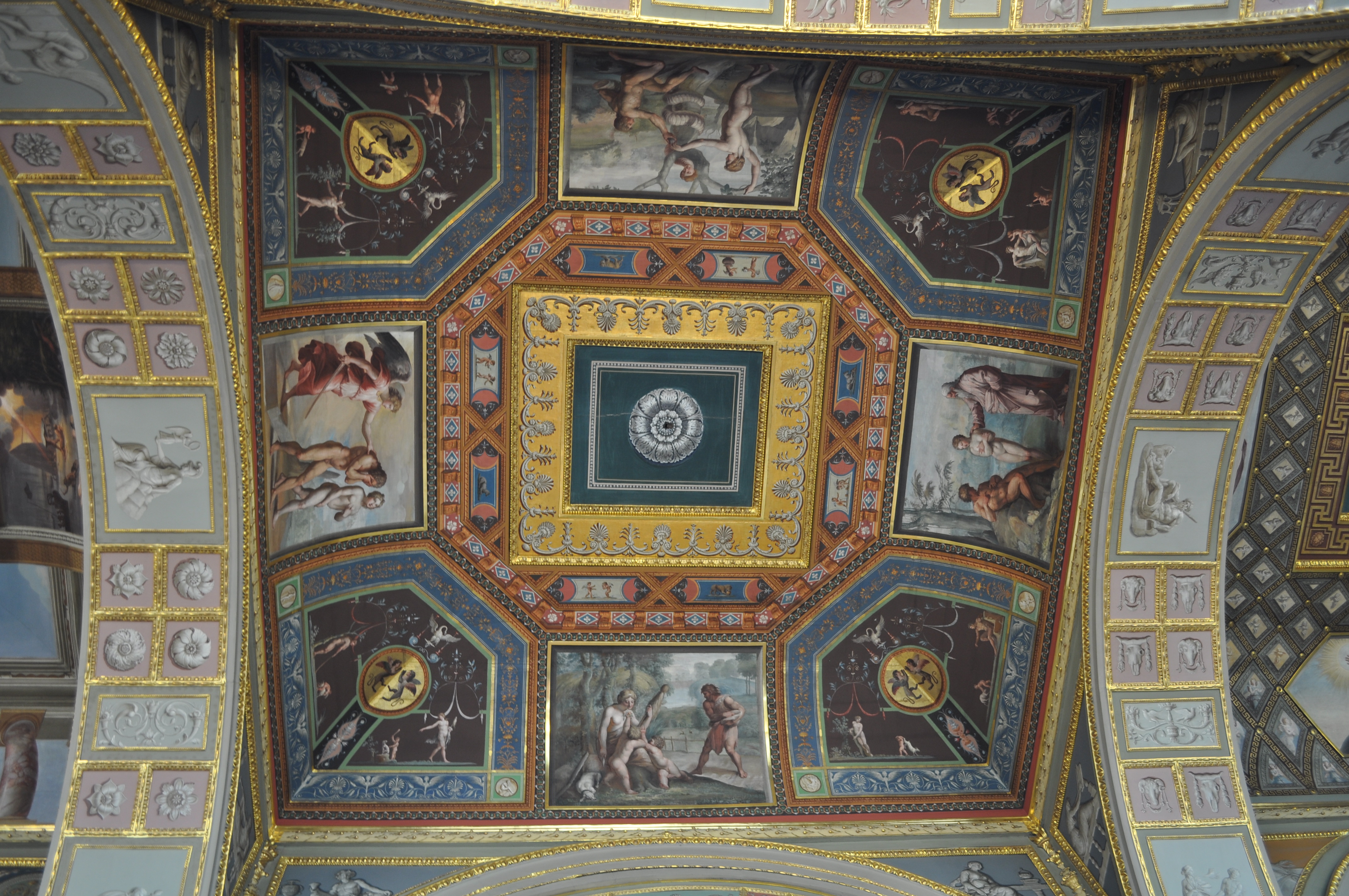
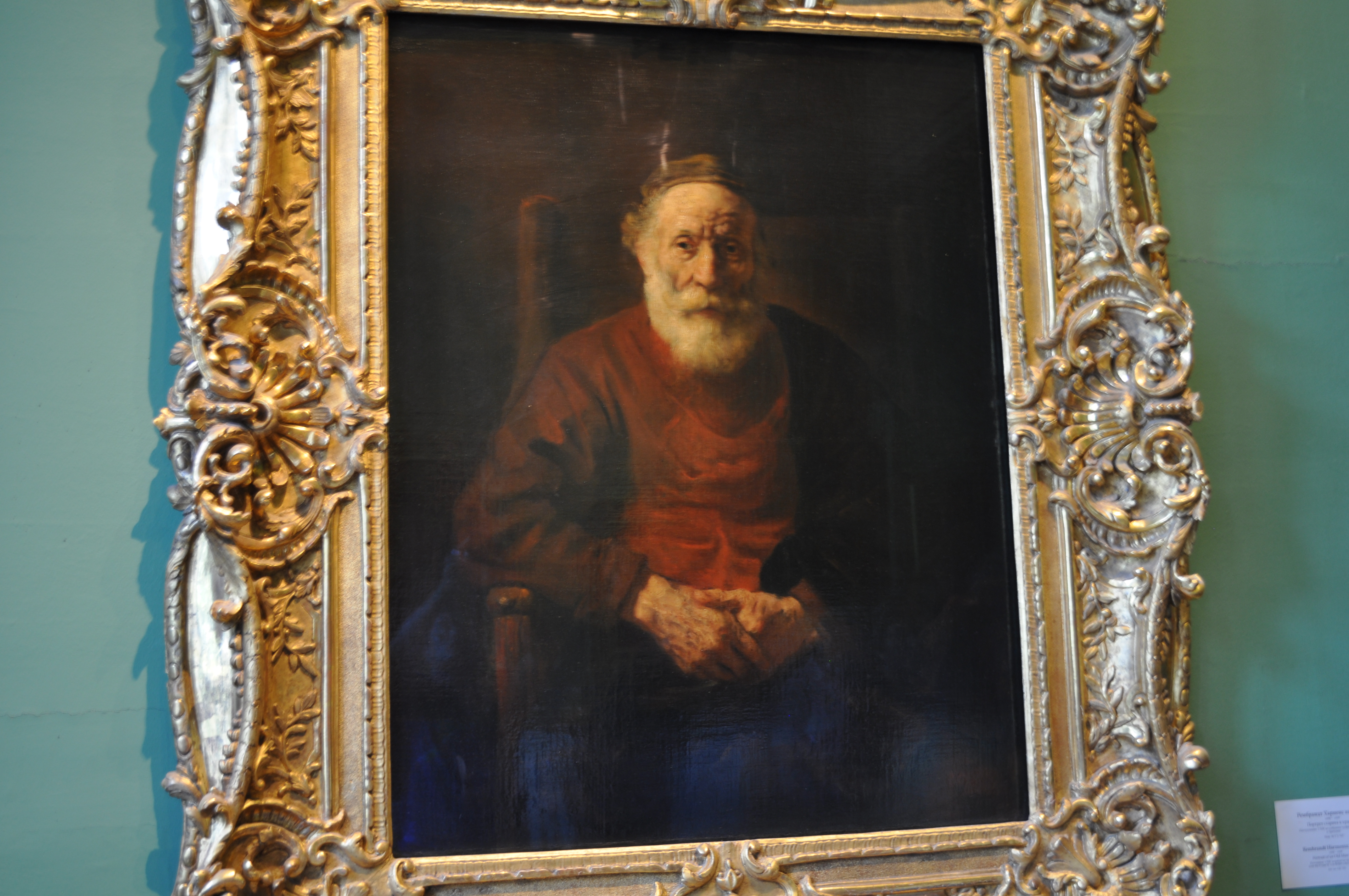
The setting is just as astounding: mesmerizing wood-inlaid floors mirror magnificent chandeliers, and gorgeously detailed ceilings recount carved and gilded stories.
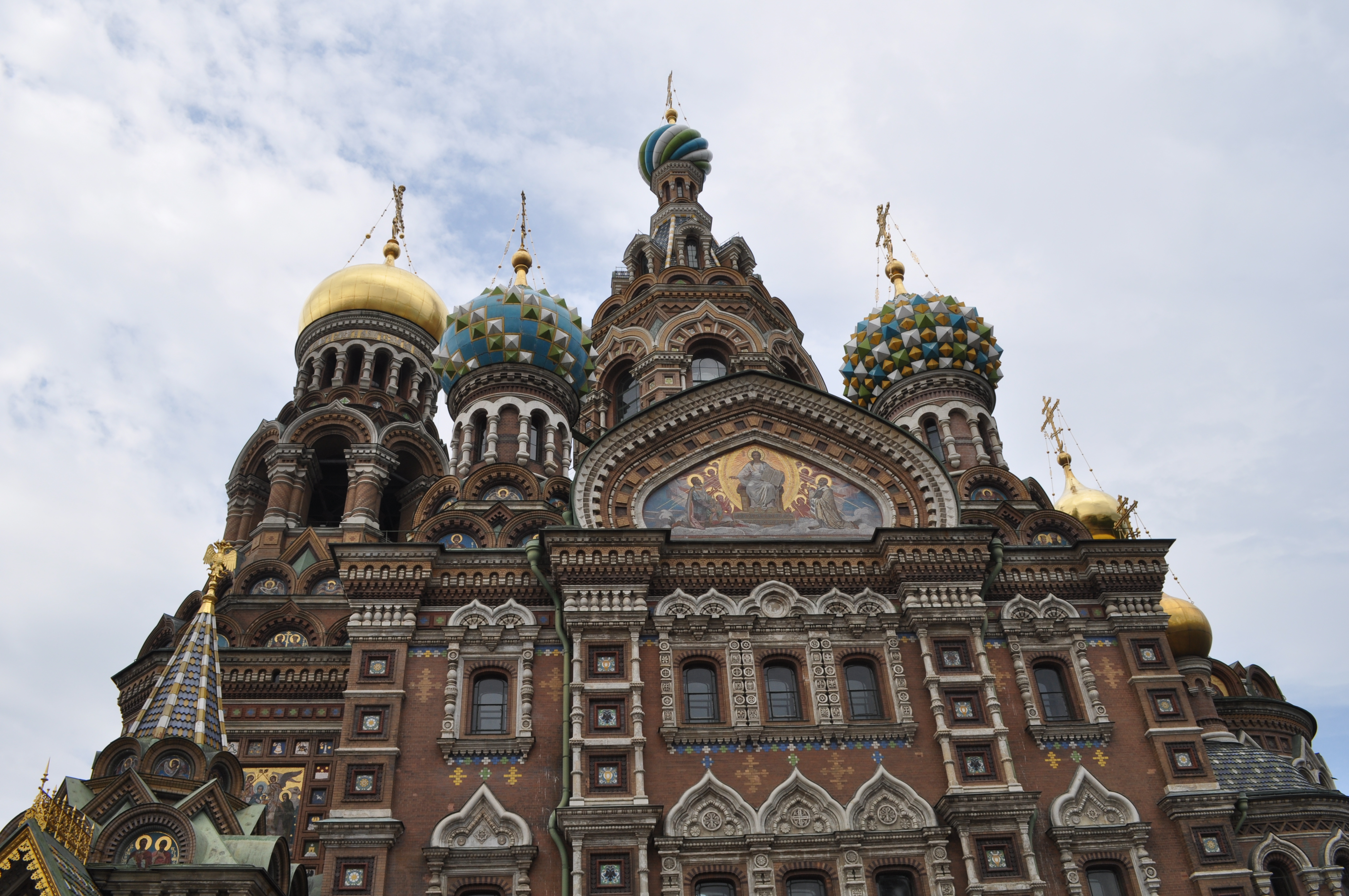
Within easy walking distance from the Hermitage (keeping an eye out for crazed, homicidal drivers) are a host of jaw-dropping Russian Orthodox cathedrals. In every direction, golden, striped, and bedazzled onion domes and elegant spires pierce the (generally) leaden sky. The Church of the Resurrection of Christ is a utterly magnificent – majestically domed outside and glorious within, featuring opulent ceilings, intricate mosaics that mimic paintings, and spectacular icons. The Cathedral of Saint Peter and Paul is stunning inside and out, with gleaming domes, a towering spire, and a grand yet somber interior. This Cathedral is home to the tombs of Peter the Great and his progeny – legions of Catherines, Elizabeths, Alexanders, and Nicholases, among others.
Enhancing the city’s attractiveness – I can’t say charm, because charm requires emotional warmth, which St. Petersburg utterly lacks – its rivers and canals are lined with (relatively) understated mansions once belonging to the hereditary and industrial nobility. Often painted pale yellow, cream, or light green and white, these buildings (now mostly museums, government offices, or institutes) still reflect the opulent lives of their past inhabitants.
Of course, sometimes cruelty and depredation produce only nauseating excess, with Peterhof Palace (the Summer Palace) serving as the ridiculous to the Hermitage’s sublime.
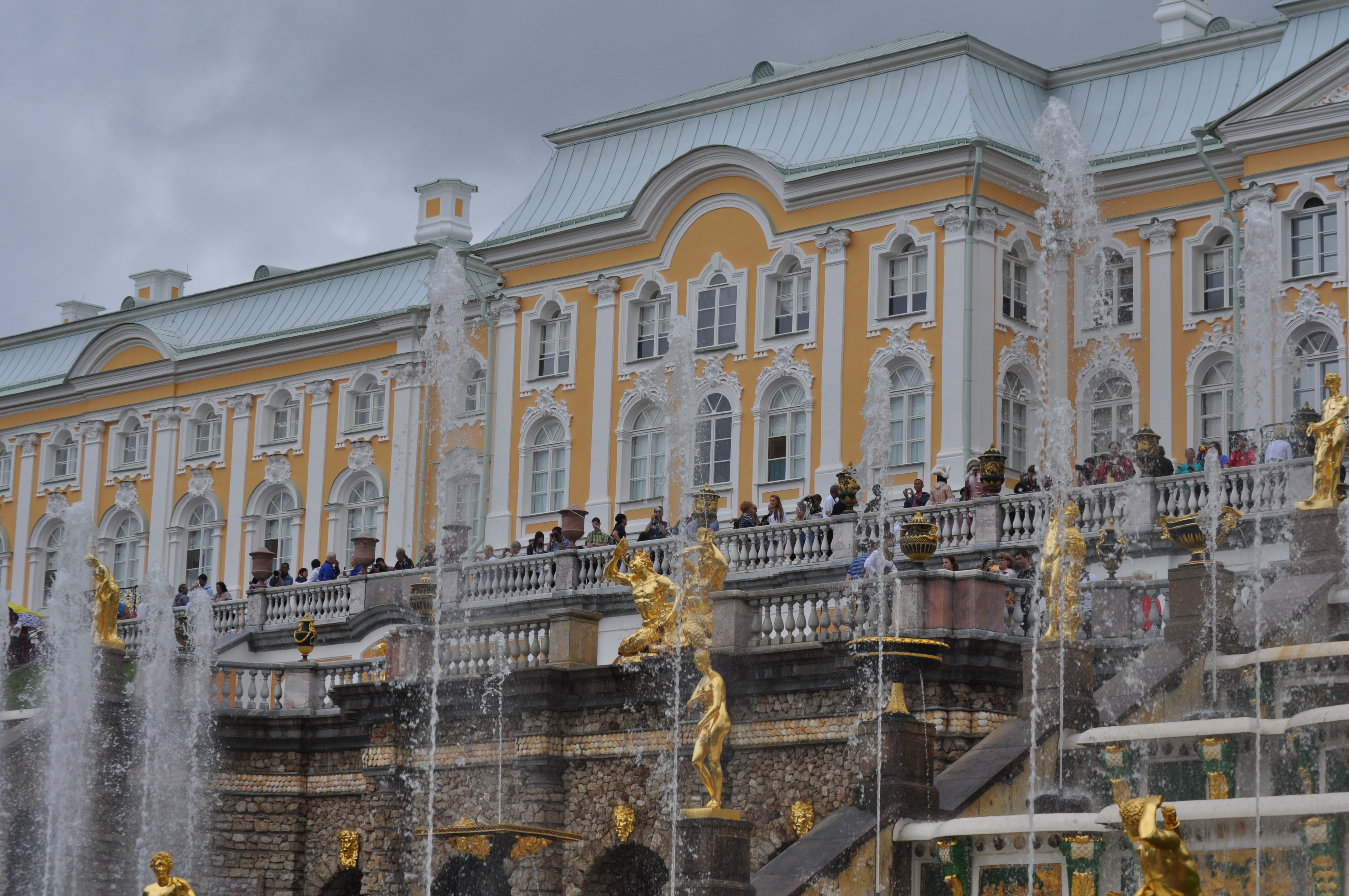
Although its grounds are stately, the Palace’s interior is hideously overdone.

Virtually every surface is caked in gold, and portraits of the one-time occupants stare imperiously wherever one turns. Rounding off the tourist experience, each room has its very own surly and combative guard to scowl at the stifling crowd of visitors. (Side note: Russian officialdom, based on my two days’ experience in St. Petersburg, is uniformly dour and, well, officious. Passport clerks are silent, unsmiling, and grossly inefficient, and I would not be surprised to hear that authorities were considering supplying Kalashnikovs to museum guards.)

 PuffinlessTravel