In July 2010, I took a cruise with my brother on the Ocean Princess from New York to Halifax, Newfoundland, Greenland, Iceland, the Shetland Islands, and Norway. It was truly a trip to remember; we visited some remote, breathtakingly beautiful areas that were unlike anywhere I’d ever been. The ship itself was a pleasure – it’s a small (700 passenger) vessel generally attracting experienced travelers – and the itinerary was fantastic. (The trip’s name is “Fire and Ice Explorer.” I don’t believe Princess still offers it, but most of the ports are packaged on other Princess cruises.) This post reviews some of the highlights of the voyage. It’s coming a year after the fact for the simple reason that, until recently, I didn’t have a blog.
July 19: Qaqortoq, Greenland
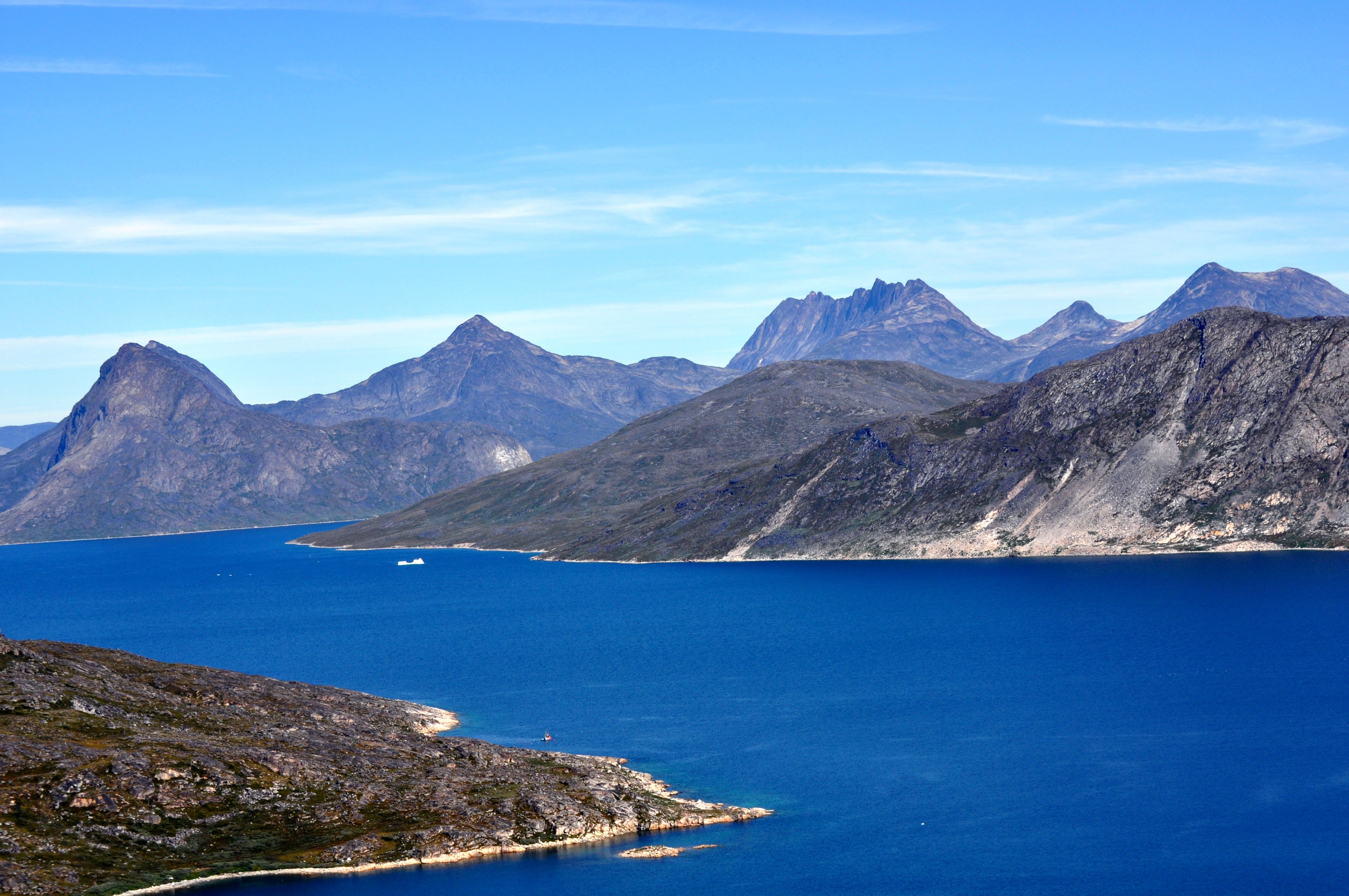
Qaqortoq, helped along by a sunny, cool (52), breezy day, is austere but stunning. The town is tiny (around 3000 people), the houses are tiny and painted in primary colors, and there are tiny, primary-colored flowers everywhere. We went for a two and a half hour hike into the hills above town. In every direction there were phenomenal, relatively unspoiled views of icebergs, meadows, mountains, and glaciers. I’m forced to put the “relatively” qualifier on “unspoiled” because every once in a while there were broken beer bottles and shotgun shells littering the ground. I’m not sure if people were using beer bottles for target practice or, as seems more likely, drinking beer and then going out shooting things. We walked along a ridge top from west to east and then made our way back down a steep hill to the main road, on which I think I saw only six cars all day.

- Icebergs in the harbor

July 20: Nanortalik, Greenland
Another beautiful day in Greenland. I definitely could live here in July, although the rest of the year sounds a bit challenging weather-wise, not to mention the occasional visits by polar bears. It was in the high 40s and sunny, with a light breeze. We were on shore by 8:30 and hiked Qassiq, which is the mountain behind the town of Nanortalik. It’s about 310 meters high, with spectacular views of the town, lakes, mountains, harbor, and icebergs. 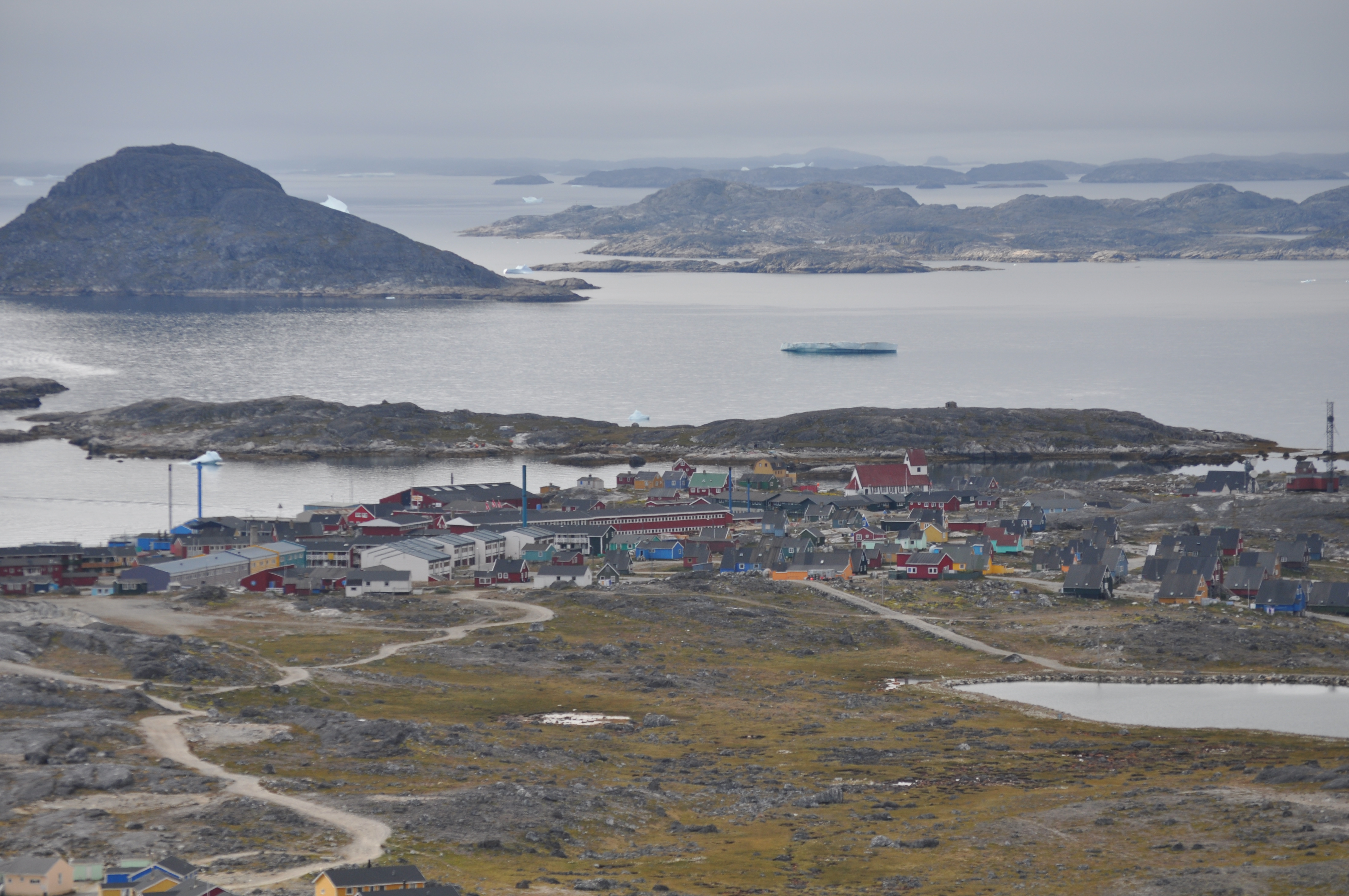 We saw an arctic fox (brown for summer) trotting along below us, but it didn’t stop moving long enough for me to fumble with my camera, get it in frame, and take a picture. Neither did several small, brilliantly white birds.

The town itself isn’t as attractive or prosperous as Qaqortoq, but the people seemed very friendly (though largely bereft of English) and the setting is more dramatic. Compared to Nanortalik, the houses in Qaqortoq that I called tiny were in fact palatial. We passed several houses this morning that were no more than 15×15 – slightly larger than our cabin on the ship.
July 23: Grundarfjordur, Iceland
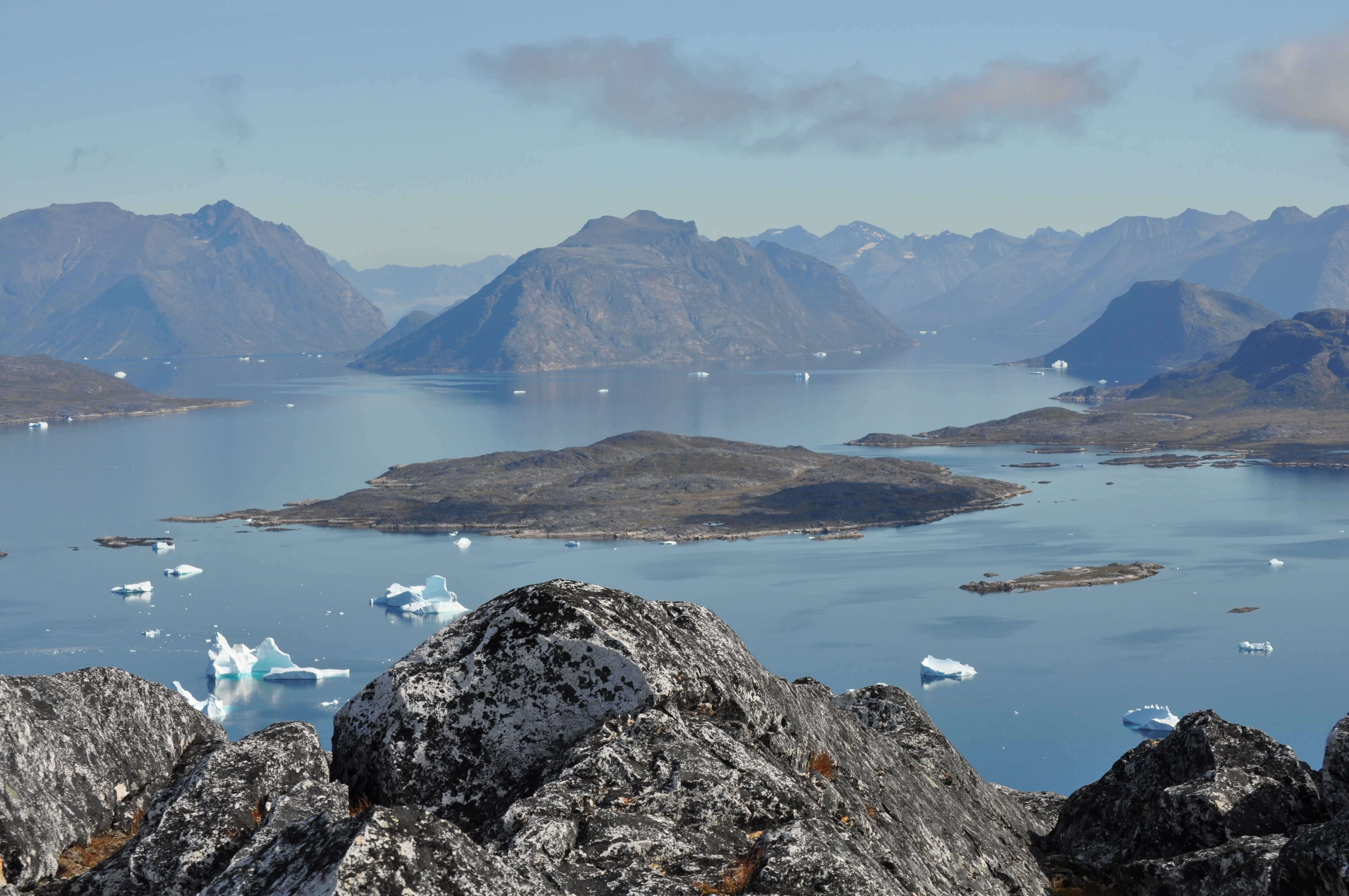
We have been so lucky with the weather. It’s in the low 60s and was sunny for most of the day with a stiff breeze. We got off the ship around 9 and hiked til around 1:30 –between 8 and 10 miles I think. First we went to a mountain called Kirkjufell. The views were nice, but not as impressive as in Greenland.
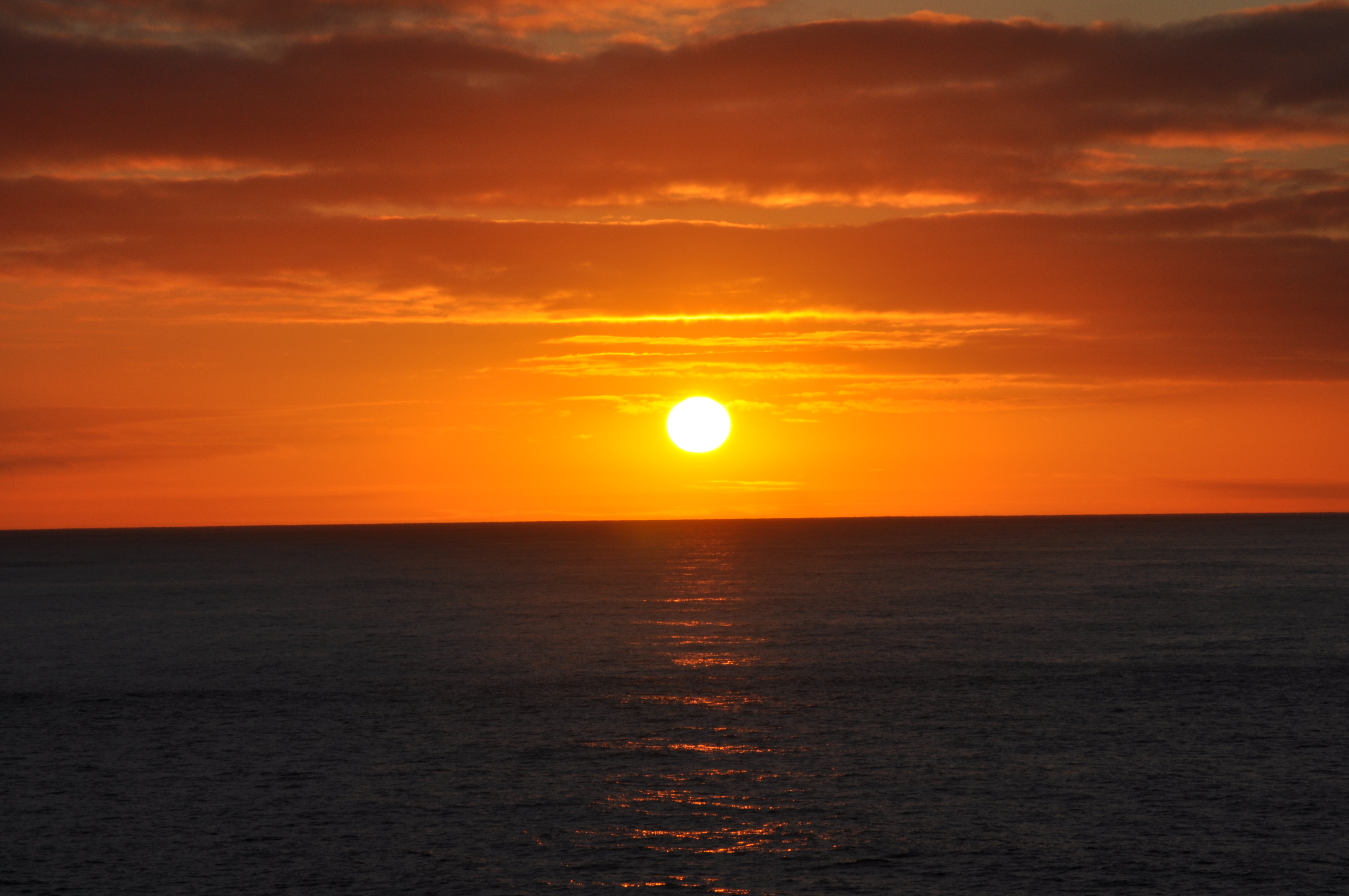
On the way there we walked through a sea bird nesting area, and one bird in particular kept dive-bombing us. It wouldn’t actually peck, but it would screech and swoop down before flying back up when it got within a few feet.
After Kirkjufell we walked the other way through town and then along the fjord to a path up to a beautiful waterfall called Grundarfoss.
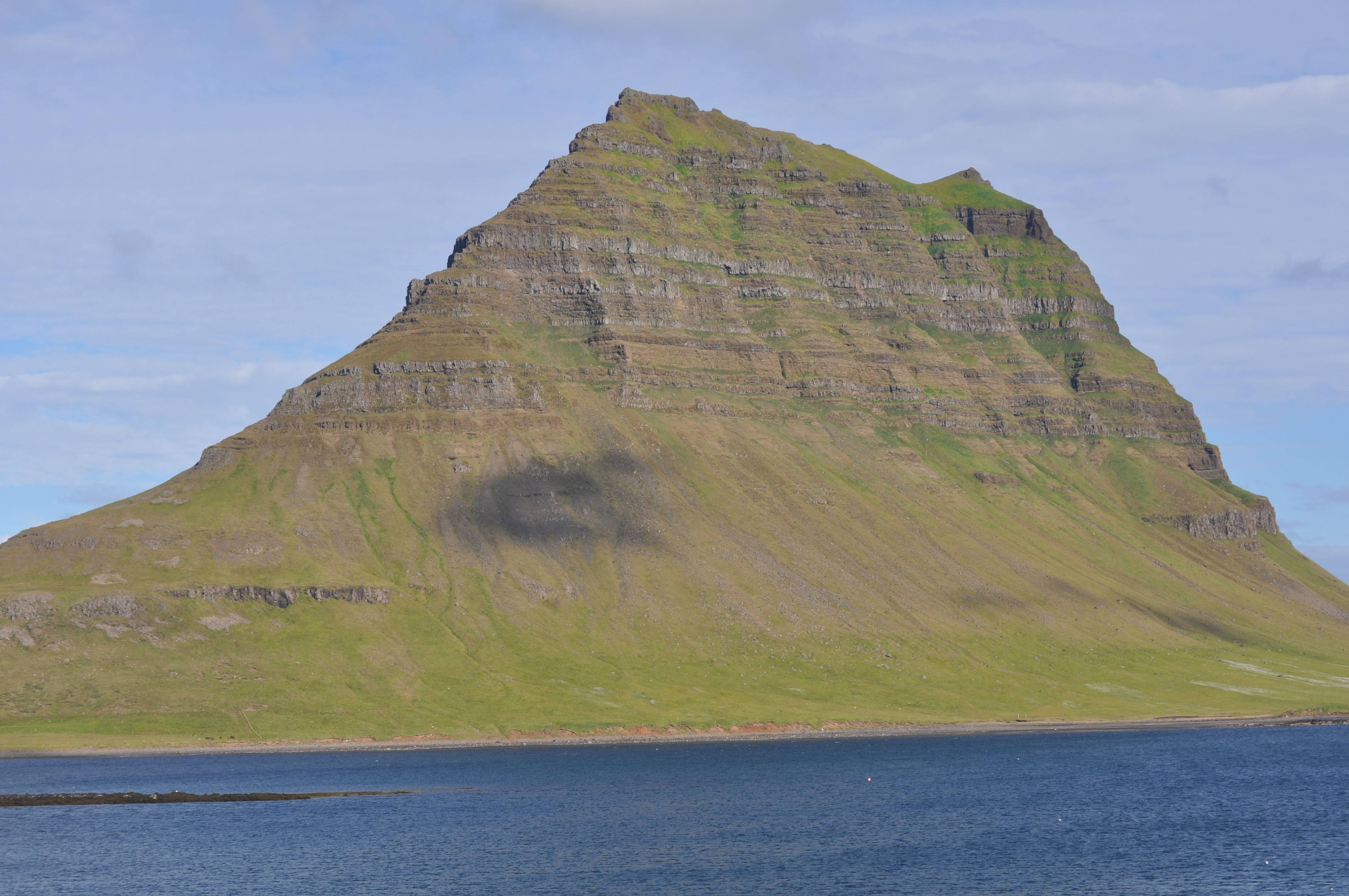
The path cut through a sheep meadow (complete with sheep of various colors and degrees of fluffiness), then we had to cross a stream and clamber up a rocky area toward the waterfall.
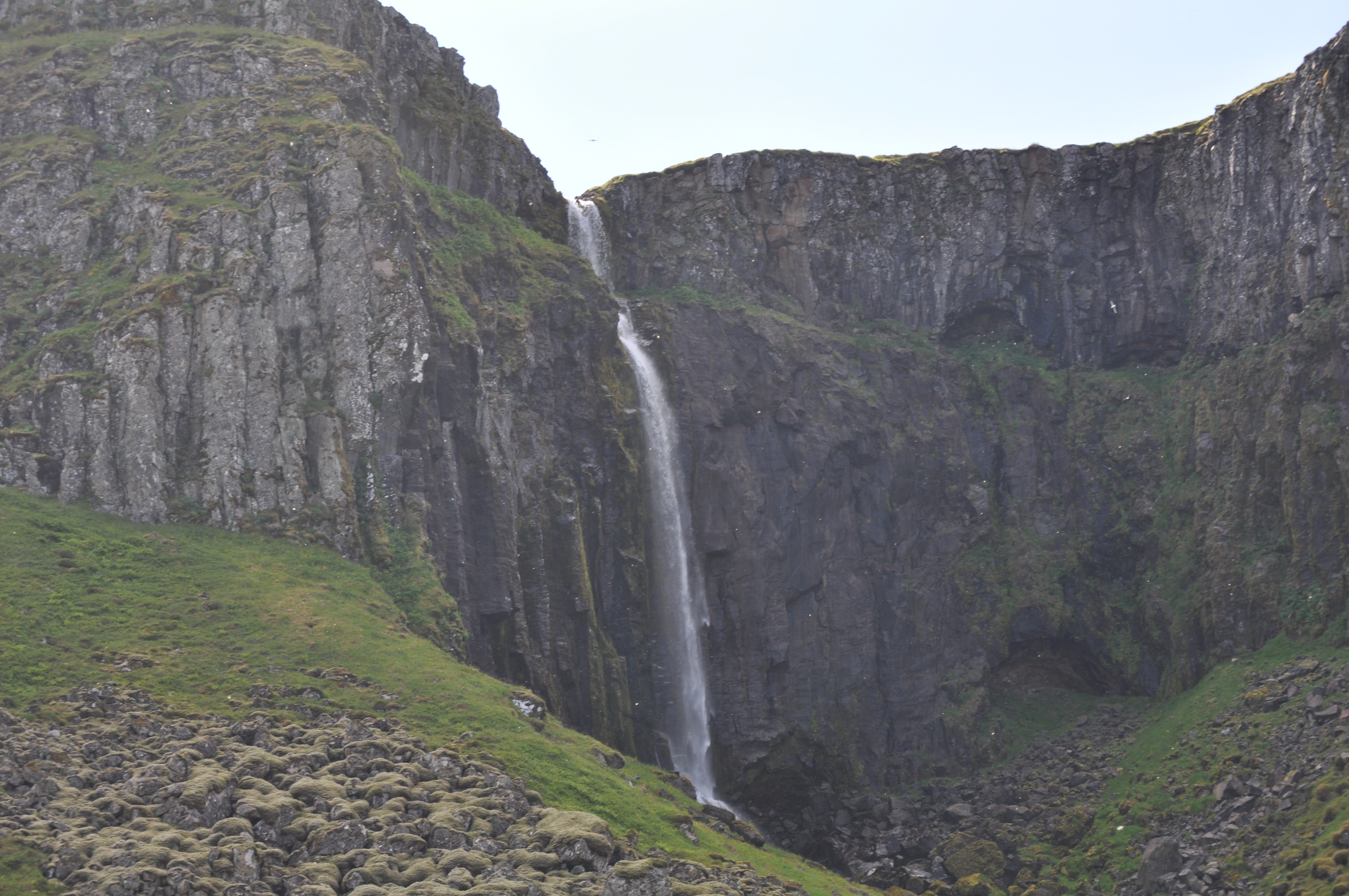
The town itself is small – there are only around 600 residents – but apparently prosperous and very clean. We sampled some Viking bread being baked outside the tourist office, which was tasty but dripping with butter. We did not sample the local delicacy, which is fermented shark. Nor did we try the local drink of choice, Brinnivin, which is a type of schnapps nicknamed “Black Death.”
We’re still far enough north – about 63 degrees – that there are no trees. (We actually will cross theArctic Circlea couple of times.) The only plant life is grass, very low bushes, and the same wildflowers we saw inGreenland. There’s also a lot of moss and lichens. As noted above, there are legions of sea birds, mostly gulls but also some plover. As far as other animals go, besides the sheep there are a lot of Icelandic horses (barely bigger than ponies, with very shaggy manes) and a few dogs; for some reason a disproportionate number of them are West Highland Terriers. The grand finale, on the way out this evening, was a couple of very large sharks (or at least very large shark fins, presumably attached to very large sharks, presumably not yet fermented).
July24: Isafjordur
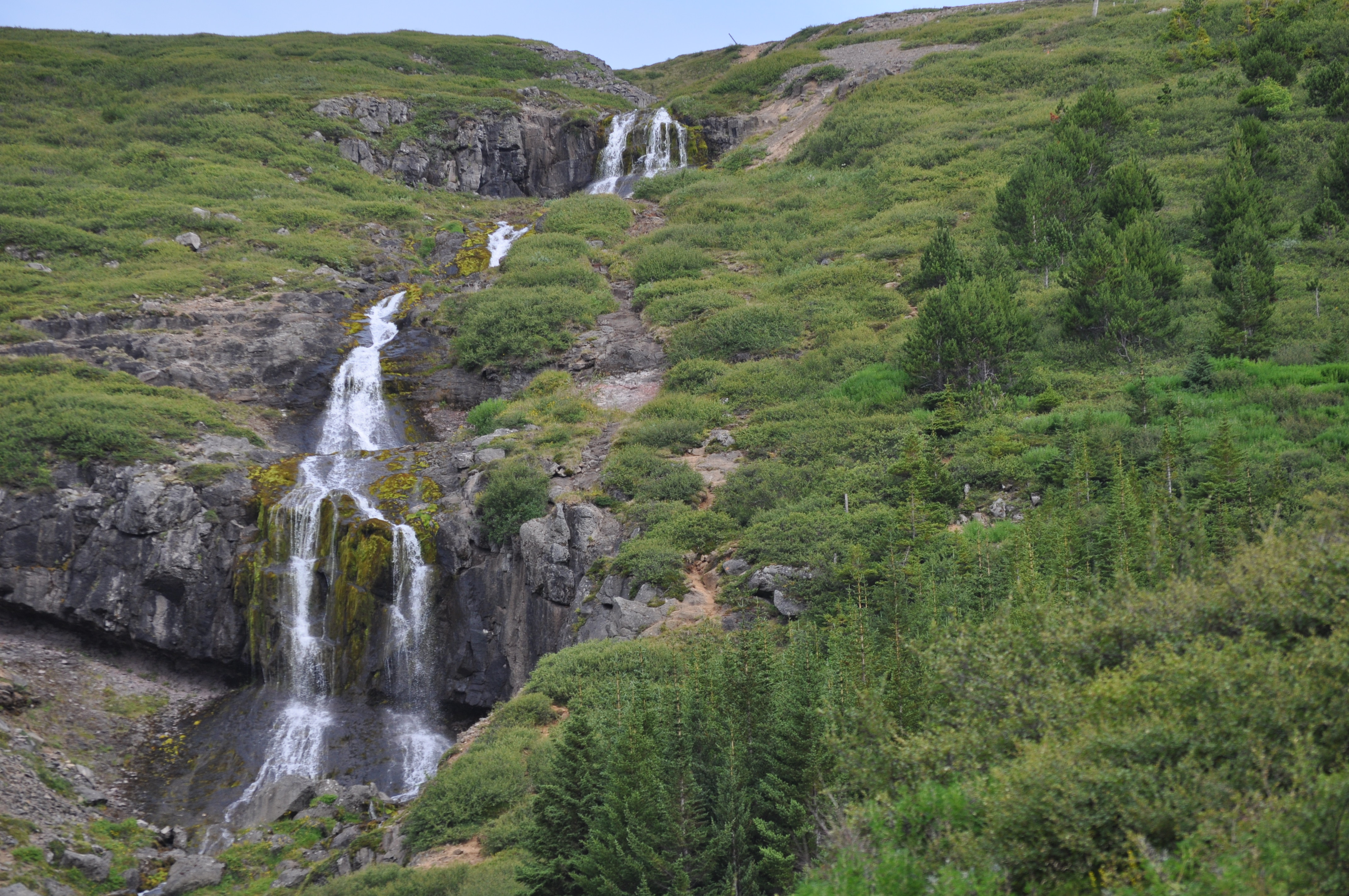
- Another hike, another waterfall
More stark yet beautiful Icelandic scenery, and another unreasonably nice day (mid 60s, some sun). We were off the ship by 8:15 and hiked around for over three hours. We decided not to do the hike straight up the 700 meter mountain abutting the town, and instead walked a couple of miles to a trail leading up 300 meters alongside a waterfall. Some of the trail was beneath trees (the first ones we’ve seen since leaving Canada), but most involved carefully traversing scree. After we got to the top, we walked around what in winter is a ski area. In summer it’s a mixture of tiny streams and very spongy ground (thick grass over peat, I think).
Isafjordur is a fair-sized town (around 4000 people), and again seemed fairly prosperous, with fishing being the predominant industry. I felt like the houses were out of place – they look like smaller versions of houses you’d find along a Caribbean beach: lots of white walls, big windows, and in some cases stucco. The people speak terrific English, which isn’t surprising since it’s compulsory starting in elementary school.
July 25: Akureyri, Iceland
Today’s excitement actually started last night, when I was out on the balcony at around 10:30 vainly looking for puffins. Instead I saw a whale, or at least portions of its back and tail.

On to today: Enough glaciers and fjords; time to move on to more bizarre sights. We picked up our rental car around 8:30 this morning and drove to Godafoss, a medium-sized but powerful waterfall where an early Icelandic Lawspeaker (not sure how you get that position – probably not elected) destroyed statues of the pagan gods from Norway and declared that Iceland was a Christian nation.
From Godafoss we went to LakeMyvatn. The Myvatn area is dotted with amazing geologic formations and phenomena.

Our first stop was a scenic spot filled with “pseudo craters,” which look like volcanic craters but apparently are formed in some other manner, which the signs did not explain.

Next we went to Dimmurborgir, which is a protected area filled with fantastic lava formations – arches, spires, and supposedly petrified trolls.
After Dimmurborgir we stopped at a spot called Hverir, which looks like a post-nuclear war landscape. It’s filled with bubbling mud pits and geothermal vents, and there’s a nearly overpowering stench that’s a bit hard to describe.
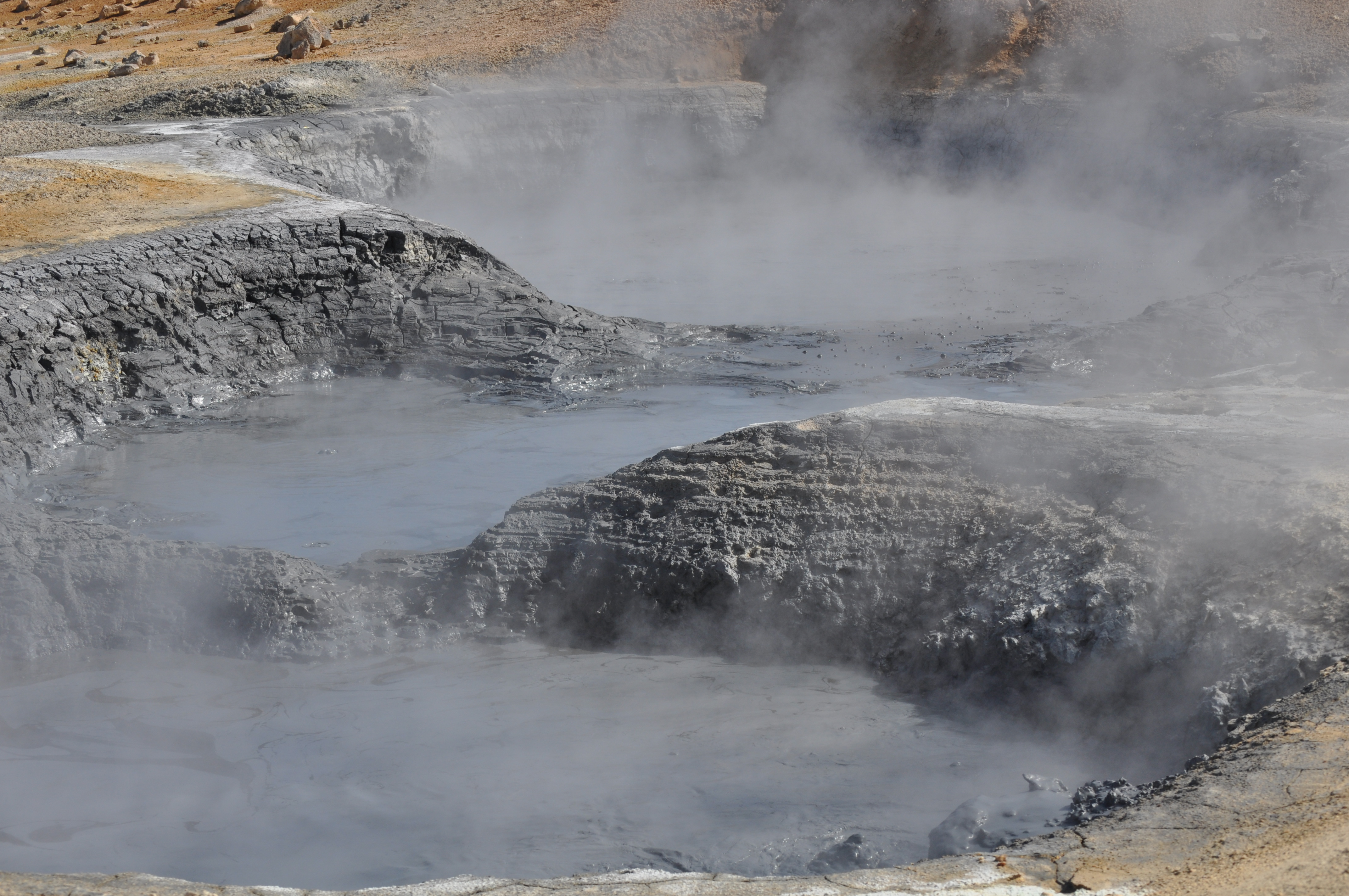
It’s not the rotten egg smell of sulfur; it’s more like onion soup made with putrid onions. The vents sit right on top of the mid-Atlantic ridge – the sea floor (here underIceland) spreading that’s causing theAtlanticto widen by a few inches every year. Once we had our fill, we drove back to Akureyri.
In Akureyri we went to the botanical gardens, which are the northernmost in the world. The gardens are nicely laid out, with plants from all over, not justIcelandand theArctic.
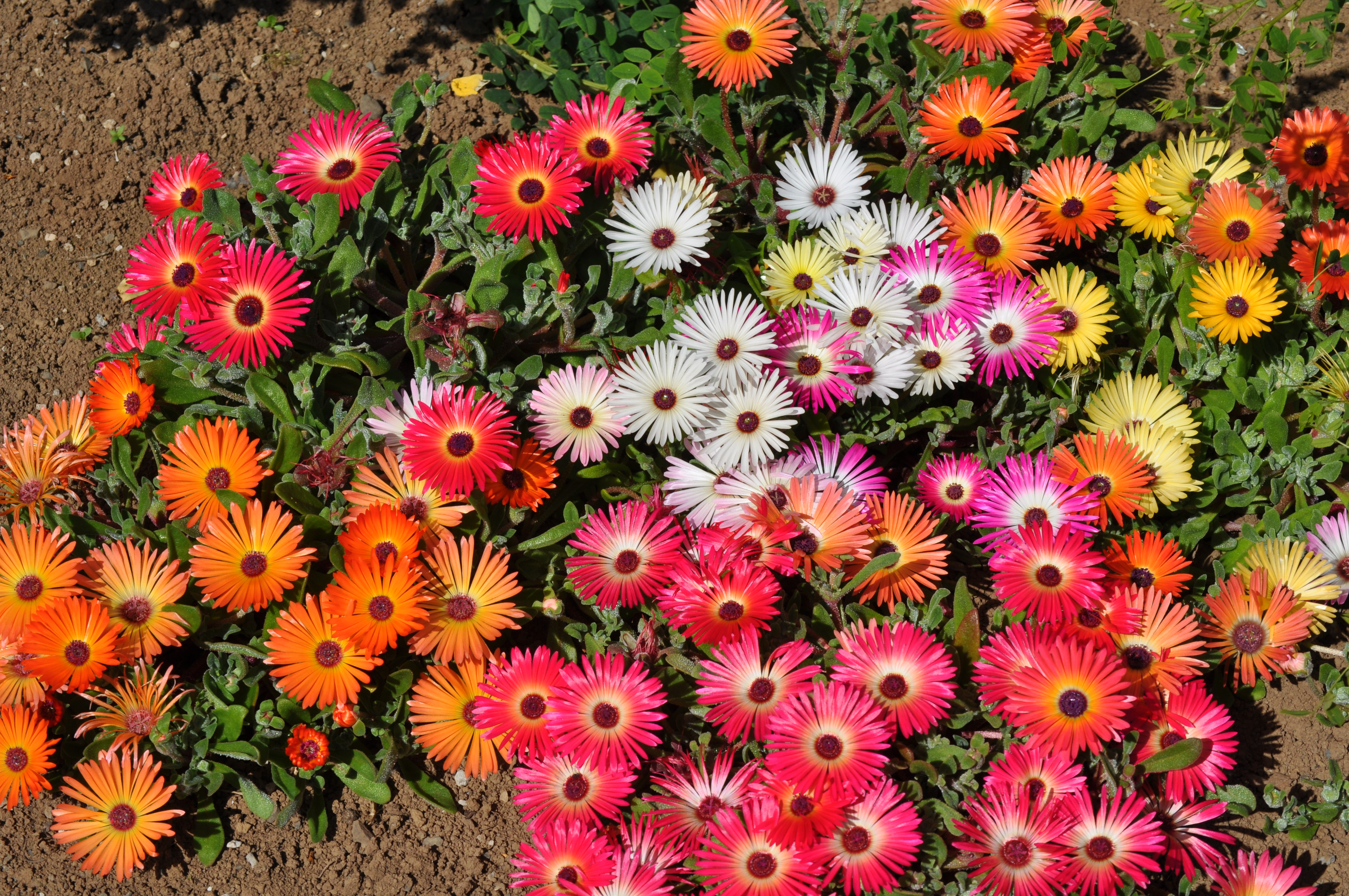
I found out the names of a few of the flowers I’ve photographed, many of which are in the clover family. Akureyri apparently is known for its flowers. The downtown area is filled with huge, gorgeous planters.
The remaining excitement for today is that we will be above the Arctic Circle from 9 til 9:45, which would seem more impressive if it hadn’t been 72 degrees today.
July 27: Lerwick, Shetland Islands, Scotland
Things you will find in the Shetland Islands but not in the U.S.: (1) a long (7-mile) one-lane road with two-way traffic and sheep standing in the middle of the road, with both cars and animals coexisting peacefully. There were wide spots in the road every few hundred yards where one car would courteously pull over so that a car going the other way could pass, at which point both drivers would merrily wave to one another. I drove on said road this morning without incident. (2) Drivers routinely going 5-10 mph slower than the speed limit on the “highway” (classified as a highway, I think, because there was usually one lane in each direction, rather than a shared lane, an no on-road sheep). (3) The owner of a car rental company (George Bolt of Bolt’s Car Hire) saying not to bother filling up before returning the car; they’ll fill it and charge us the normal gas station price because gas prices here are so high it would be wrong to mark them up. (4) Downtown parking areas operated on the honor system: each car has a little cardboard clock on the dash. When you park, you set the hands to show your arrival time. You are then expected to return to you car and drive off before the one- or two-hour parking time has elapsed. There’s no charge for parking anywhere, but they give tickets if you overstay your permitted time. (We saw the same system in Iceland.) (5) Signs for an otter crossing.
Things you are supposed to find in the Shetland Islands but we did not: puffins, harbor seals, whales. Actually, we did see the back of one harbor seal while eating lunch (us, not the seal as far as I could tell), and several people who went South (we went North) saw legions of puffins. The predominant animals, by far, are various kinds of gulls and every size, shape, and color of sheep.
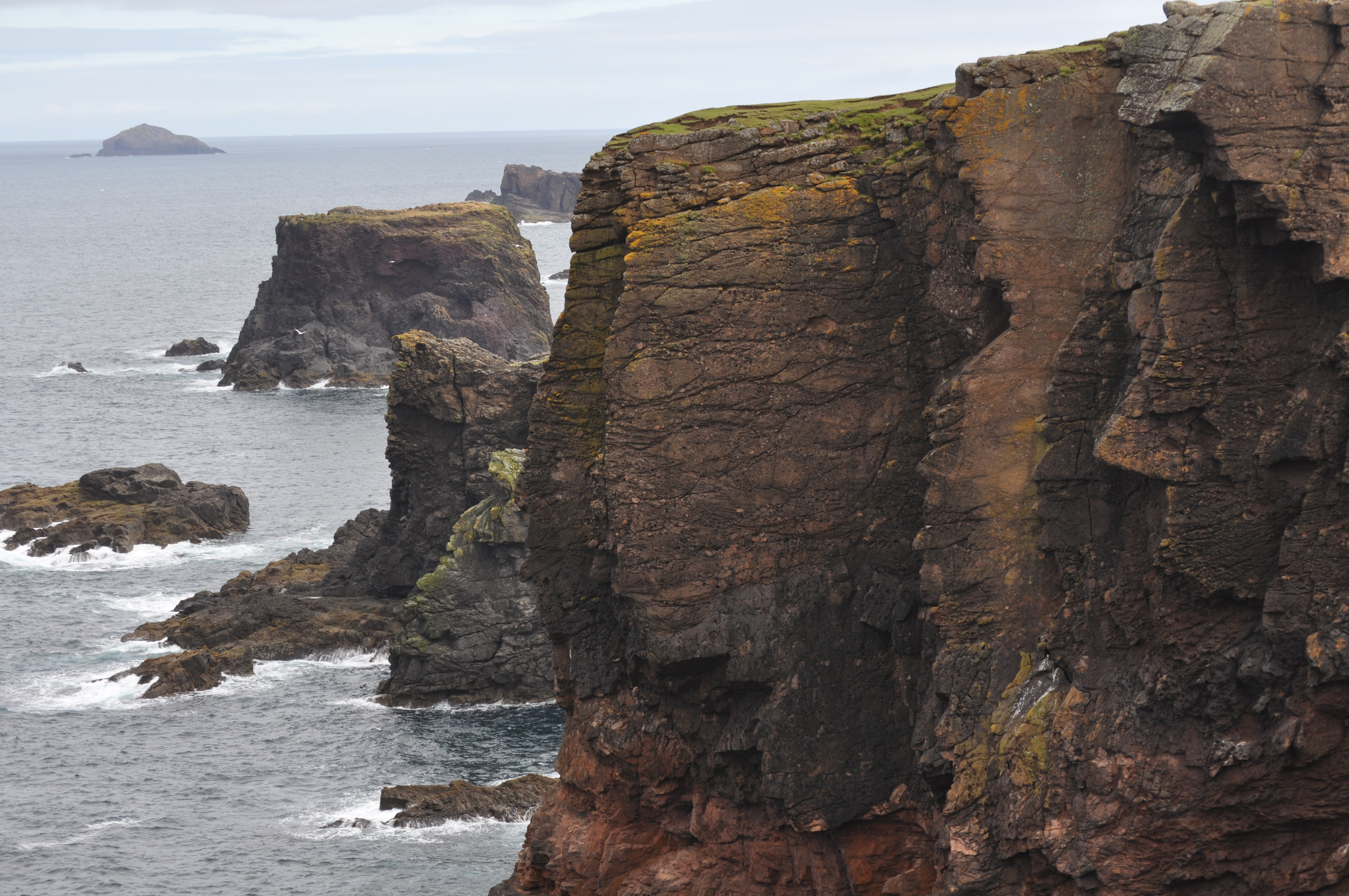
This morning I drove us in a left-handed shift car on the left side of the road around 40 miles to Eshaness (and 40 miles back) without catastrophe, including negotiating four roundabouts and a few mid-road sheep. Eshaness is a series of cliffs along the sea, with lots of pounding surf and heath-covered moors, if that’s the right term. We wandered through several pastures along a 6 km walking trail and met many more sheep, some up close and personal. The pastures also were dotted with sea shells and the remains of crabs eaten by the sea birds.

- Sea stacks near Esha Nes
Lerwick is charming. It looks like one big university – all the buildings are Georgian (?) and there are a lot of young people (many of the older people we saw were from the ship, I think). There were several narrow lanes lined with quaint and curious stores reminiscent of Diagon Alley and Hogsmeade (Harry Potter reference), though none advertised magical wares.
July 28: Bergen, Norway
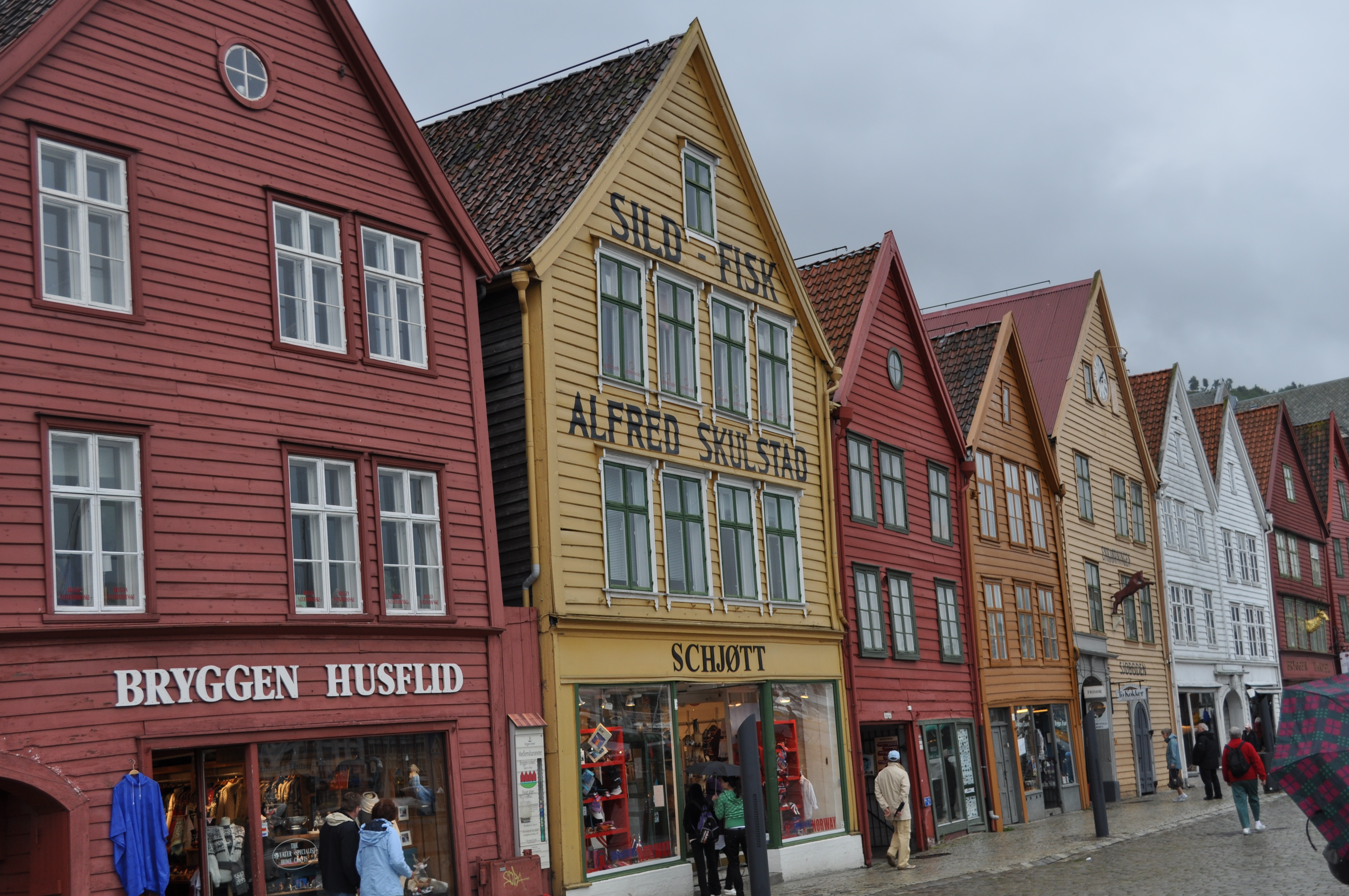
Bergen is a picturesque city with a long history. Some of the buildings in the old section of the city (Bryggen) date back from 400 to more than 600 years. Unfortunately, many of the old buildings in Bergen now house such prosaic businesses as souvenir stores, Mexican restaurants, and sellers of handbags. My impression is thatBergenhas more stores selling handbags per capita than anywhere else, followed closely by haircutting establishments. It may rain here 300 days a year (including this morning), but at least people will be properly accessorized and sport stylish hairdos.
Speaking of rain, we left the ship in a fine mist around 8:45 and walked around for two and a half hours, covering the old city (change to drizzle), the downtown (steadier drizzle), and several adjacent neighborhoods (light rain). We saw lots of cobblestone-paved lanes and streets, colorful houses, the fish market (amazing-looking salmon), the aforementioned handbag sellers and haircutters, several McDonalds, a Burger King, a couple of 7 Elevens, and a TGI Fridays.
July 29: Eidfjord, Norway
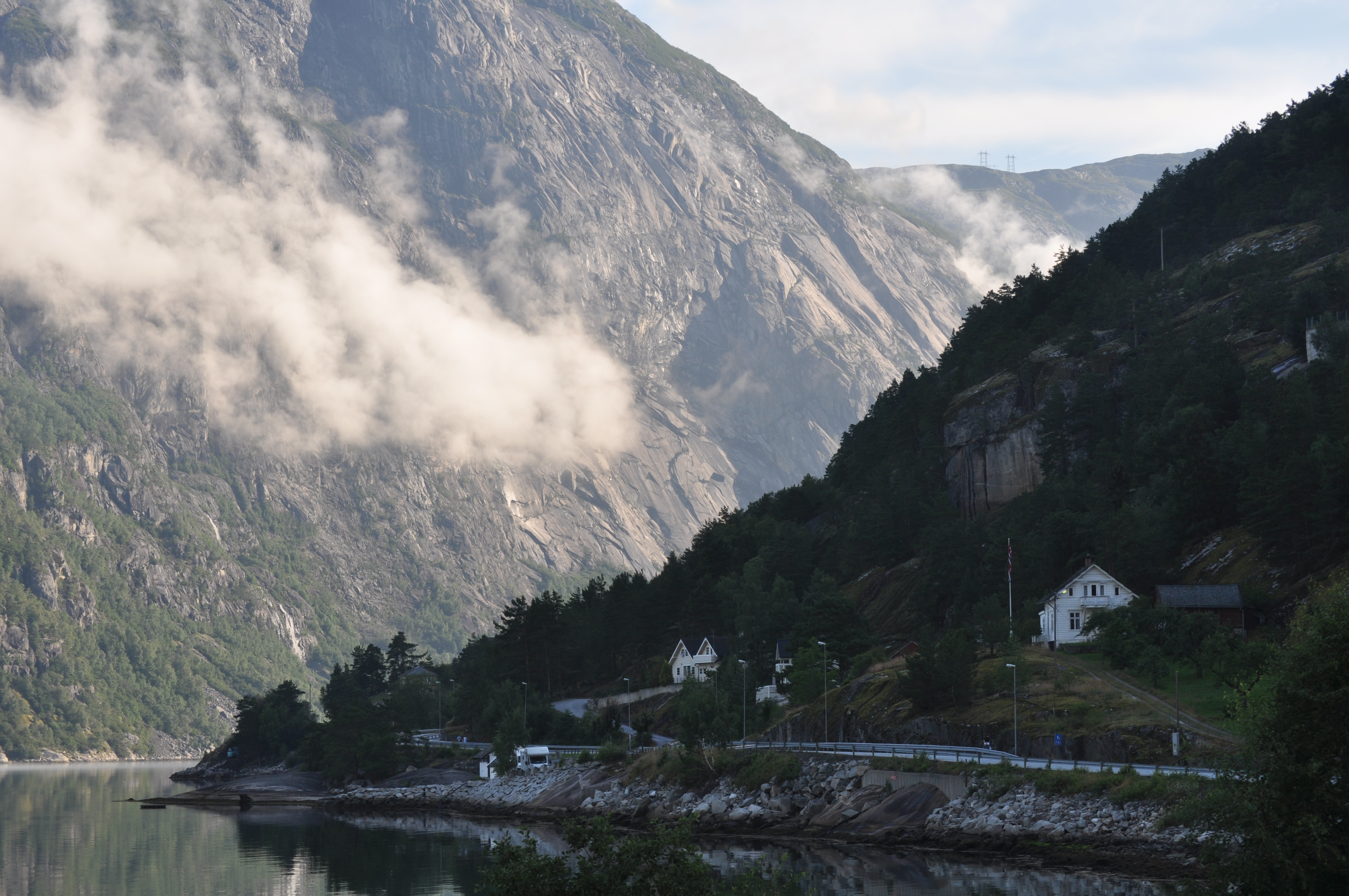
I wasn’t expecting today to amount to much, but I was totally wrong. Eidfjord is a small, quiet, picturesque town at the end of one ofNorway’s longest fjords. It sits between the fjord (which was deep blue and totally still) and some very steep mountains (which are mostly tree-covered, unlike those in Greenland andIceland). We docked at 7 a.m. and were ashore by 8. We followed a trail suggested on a map in the tourist office, which took us about 100 meters up, past an ancient burial ground (with some mounds dating to 550 BC and hundreds of Viking graves up til around 1050 AD), and then down a path alongside the river back into town. The trail was well marked (unlike every other trail we hiked this trip) and easy to walk.

After grabbing a couple of slices of pizza on board, we went back ashore and took a bus up to Voringfossen, which is a set of dramatic waterfalls about 20 km from Eidfjord. We took pictures and admired the view for 20 minutes or so, then were brought back to the ship shortly before departure. It was well worth the price, which I’m sure was a small fraction of the ship’s equivalent tour.
July 30: At Sea, Final Impressions
Aside from the remarkable scenery, I was struck most by the cleanliness and friendliness of every place we visited. In the isolated towns in Greenland and Iceland, and again in the cities in Scotland and Norway, the homes were well-maintained, the streets were spotless, there was almost no litter or graffiti (save a lone “Snoop Dogg” scrawled on the side of a shed in Nanortalik), many houses and all public areas were decked out with flowers, and people said hello and smiled (and many spoke English in addition to various other languages).
All told, this was an amazing trip. I took almost 1000 pictures, walked/hiked through areas of incredible beauty and peacefulness, and was thrilled to visit so many places where the pace and way of life are so different.

 PuffinlessTravel